- globetrotter
- 12 Feb 2025
- #Visa & Immigration
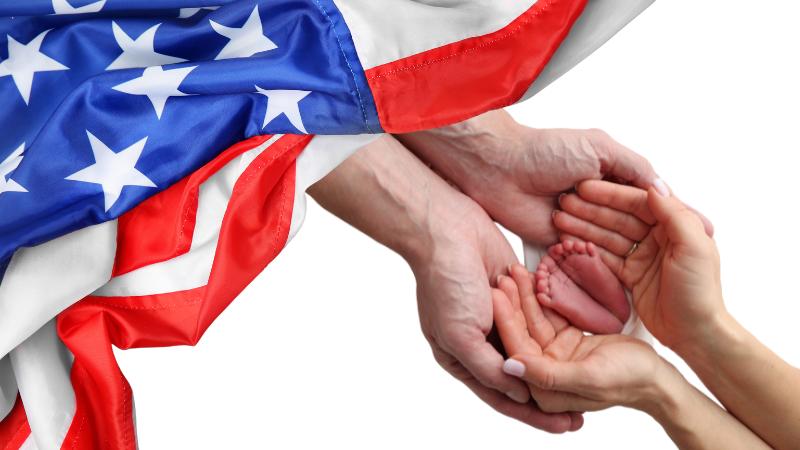
Neha Satpute and Akshay Pise, an Indian couple living in the U.S. on H-1B visas, were eagerly awaiting the birth of their first child. Having built a stable life in San Jose, California, they assumed their baby—due on February 26—would automatically be granted U.S. citizenship. However, a recent executive order by President Donald Trump has cast doubt over that expectation.
The Impact of Trump's Executive Order
The new rule seeks to deny birthright citizenship to children born in the U.S. to temporary foreign workers, a drastic shift from existing policies where citizenship was granted regardless of parental immigration status. While two federal judges have blocked the order, its fate remains uncertain as it moves through legal challenges.
For many families, this uncertainty raises pressing concerns:
- What nationality will their child have if the order takes effect?
- Will the baby be granted any legal status in the U.S.?
Legal Implications and Expert Opinions
Immigration attorney Cyrus Mehta points out that U.S. law currently has no provision for granting non-immigrant status to a child born in the country. This means parents on visas such as H-1B or O-1 could face unprecedented legal hurdles in securing their child’s status.
With their due date approaching, Neha and Akshay even considered early delivery to ensure their child’s citizenship. However, medical professionals, including Dr. Satheesh Kathula, president of the American Association of Physicians of Indian Origin (AAPI), strongly discourage elective preterm C-sections purely for legal reasons, citing ethical concerns.
Why Indian Immigrants Are Most Affected
Indians make up 72% of H-1B visa holders and face the longest backlog for green cards, with 1.1 million Indians waiting for permanent residency as of 2023. Current U.S. laws limit green cards per country to 7% of the total issued, meaning many Indian applicants have been waiting since 2012—and new applicants may never receive one in their lifetime.
Trump’s order does not affect lawful permanent residents (green card holders), but because of long wait times, many skilled Indian professionals remain on temporary visas for years.
Concerns Over Children's Future
For H-1B visa holders, losing birthright citizenship for their children would mean:
Visa stamping struggles: H-1B holders must periodically travel abroad for visa renewals, often facing long delays and uncertainty.
Limited opportunities for their children: Without citizenship, children born in the U.S. would inherit their parents' visa struggles, impacting education, travel, and future employment prospects.
Uncertain legal status: Without a clear pathway for legal residency, these children may face bureaucratic hurdles and deportation risks.
Broader Immigration and Healthcare Impact
Beyond tech workers, Indian doctors in rural U.S. areas are essential to healthcare systems, especially in North and South Dakota. Physicians like Dr. Kathula warn that Trump's policy creates uncertainty for medical professionals, potentially discouraging them from staying or starting families in the U.S.
Legal Battles and Unanswered Questions
While the Pew Research Center estimates 725,000 undocumented Indian immigrants in the U.S., the ruling primarily impacts legal, skilled workers on temporary visas. Many, like Priyanshi Jajoo, an expectant mother in San Jose, are left wondering:
Should they apply for an Indian passport for their child?
Which visa category applies if their baby isn’t automatically a U.S. citizen?
With no clear answers from U.S. immigration authorities, anxiety among Indian immigrants is rising.
For expectant parents like Neha and Akshay, Trump's birthright citizenship ban adds an unexpected layer of stress and uncertainty. "Pregnancy is already stressful, but after living here for a decade, we thought things would get easier," Neha said. Akshay adds, "As legal, tax-paying immigrants, our baby deserves U.S. citizenship—it’s been the law, right?"
With lawsuits underway and potential appeals in higher courts, the future of birthright citizenship for H-1B visa holders' children remains in limbo, leaving thousands of families anxiously waiting for clarity.