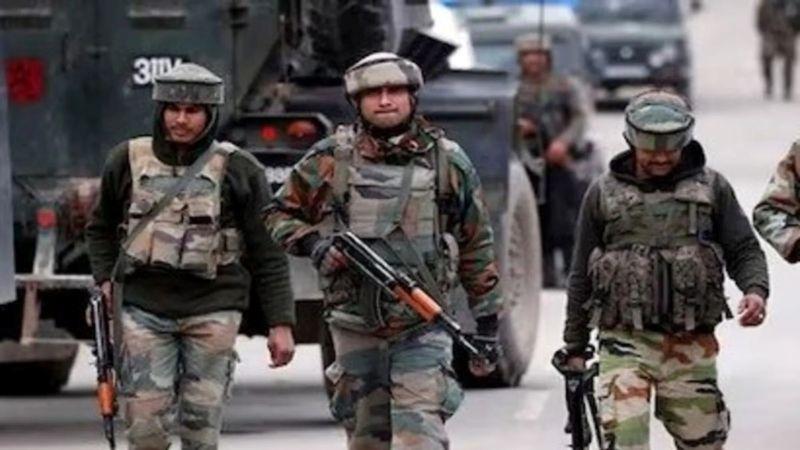
The recent India-Pakistan conflict, ignited by the launch of Operation Sindoor, has laid bare a new global military trend the era of “Do It Yourself” wars. While intense fighting and strategic strikes marked India’s response to terror aggression, what stood out even more was the silence or indifference of global power centers. Traditionally known for swift mediation or condemnation during Indo-Pak escalations, nations like the United States chose an ambiguous and largely passive role this time.
The US Vice-President, JD Vance, dismissed involvement, stating that it was “none of our business.” This comes as a stark departure from the past when Washington would summon Pakistani officials or exert diplomatic pressure. Adding to the complexity, President Trump initially expressed solidarity with India after the Pahalgam terrorist attack but later called India’s retaliatory strikes “a shame.” The State Department echoed these mixed signals, offering condolences to both sides without recognizing the terror origins of the conflict. Meanwhile, the International Monetary Fund approved a hefty $2.4 billion loan to Pakistan, despite its aggressive military posturing. The justification cited “strong program implementation,” raising serious concerns about the global financial body’s standards.
Unlike past conflicts, this round saw an expansion of players in the shadows. Pakistan reportedly received material support from countries like Azerbaijan and Turkey. Drones like the Bayraktar TB-2 and Songar have shifted the tactical equation, bringing advanced air capabilities within Pakistan’s reach. Turkey’s aircraft were spotted in Karachi, and long-range Turkish drones are now part of Pakistan’s defense setup. China’s role, meanwhile, has moved beyond support to active military supplies a seized PL-15 missile and social media buzz about downing Indian jets are just the surface signs.
While China and Turkey provided covert support, Russia has shown inconsistency. Despite its historic support for India, Moscow has softened its position and offered to mediate, even engaging in dialogue with Pakistani defense officials. This signals a break from its traditional pro-India posture. India, once able to rely on allies for strategic backing, is now facing a geopolitical shuffle where even long-time partners are treading cautiously or switching sides.
This shift points to a future where India must increasingly depend on its internal capabilities. The notion of international mediation is becoming obsolete, as even major powers withdraw from involvement in global conflicts be it Ukraine, Gaza, or South Asia. A new reality is unfolding: India must prepare for high-tech, drone-based regional confrontations supported by hybrid foreign alliances.
India’s response must include a reassessment of air warfare strategy, especially given the growing collaboration between China and Pakistan using satellite-based tracking and precision drones. Strategic independence now requires diversified partnerships, including bolstered ties with nations like Armenia and Israel despite the diplomatic tightrope with the US. Dependence on Russian military hardware will also need recalibration, especially as the Ukraine conflict continues to hinder supply chains.
In this new global order, past diplomatic templates are no longer reliable. What lies ahead is an increasingly fragmented and transactional international landscape where every nation is forced to act alone or forge its own path forward through complex, shifting alliances. The Indian government's approach of rejecting mediation and sticking to military objectives underscores this shift. With Pakistan likely to reignite proxy operations and the US downplaying the existence of terror camps, India must remain vigilant. The war may have paused but the real game has only just begun.