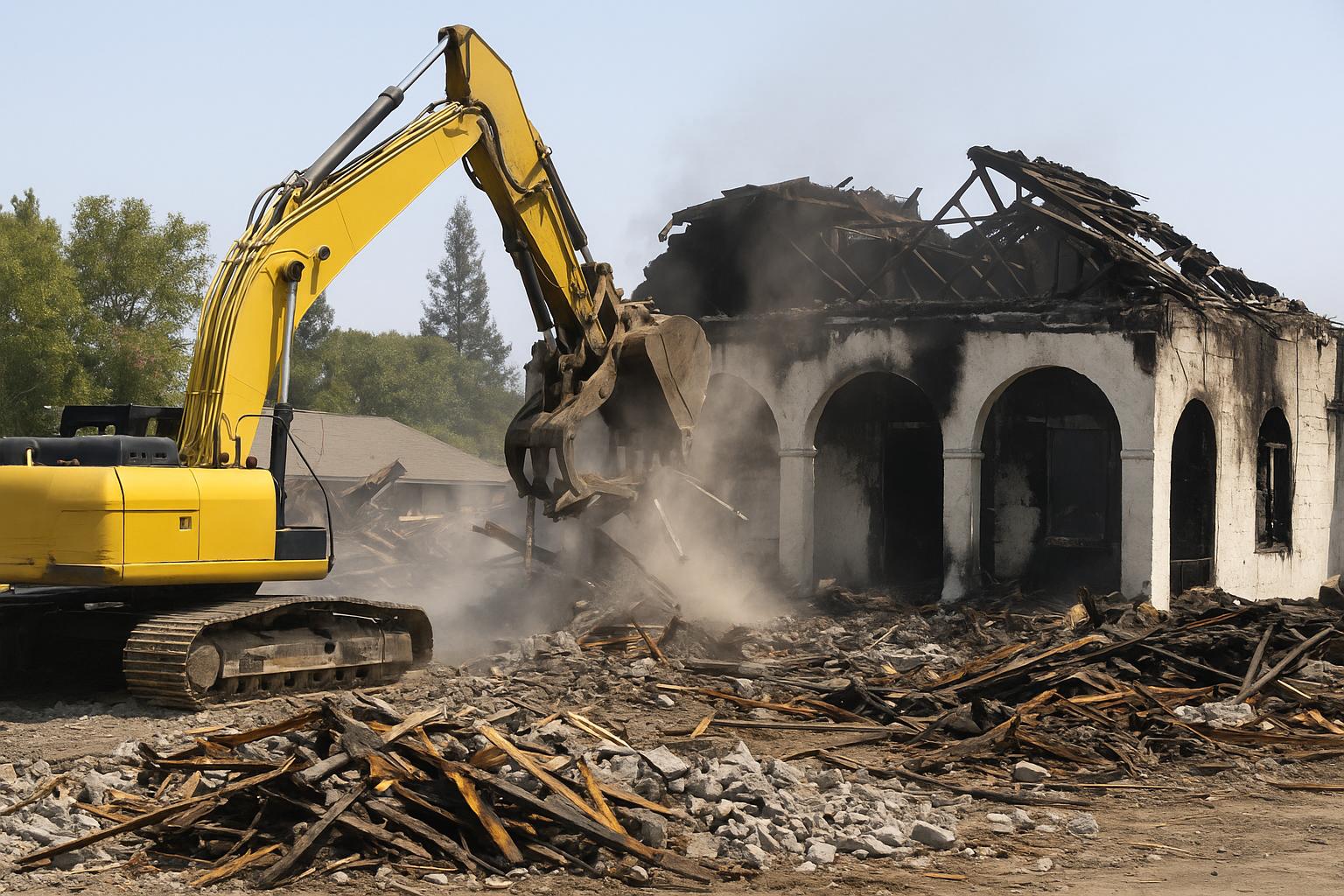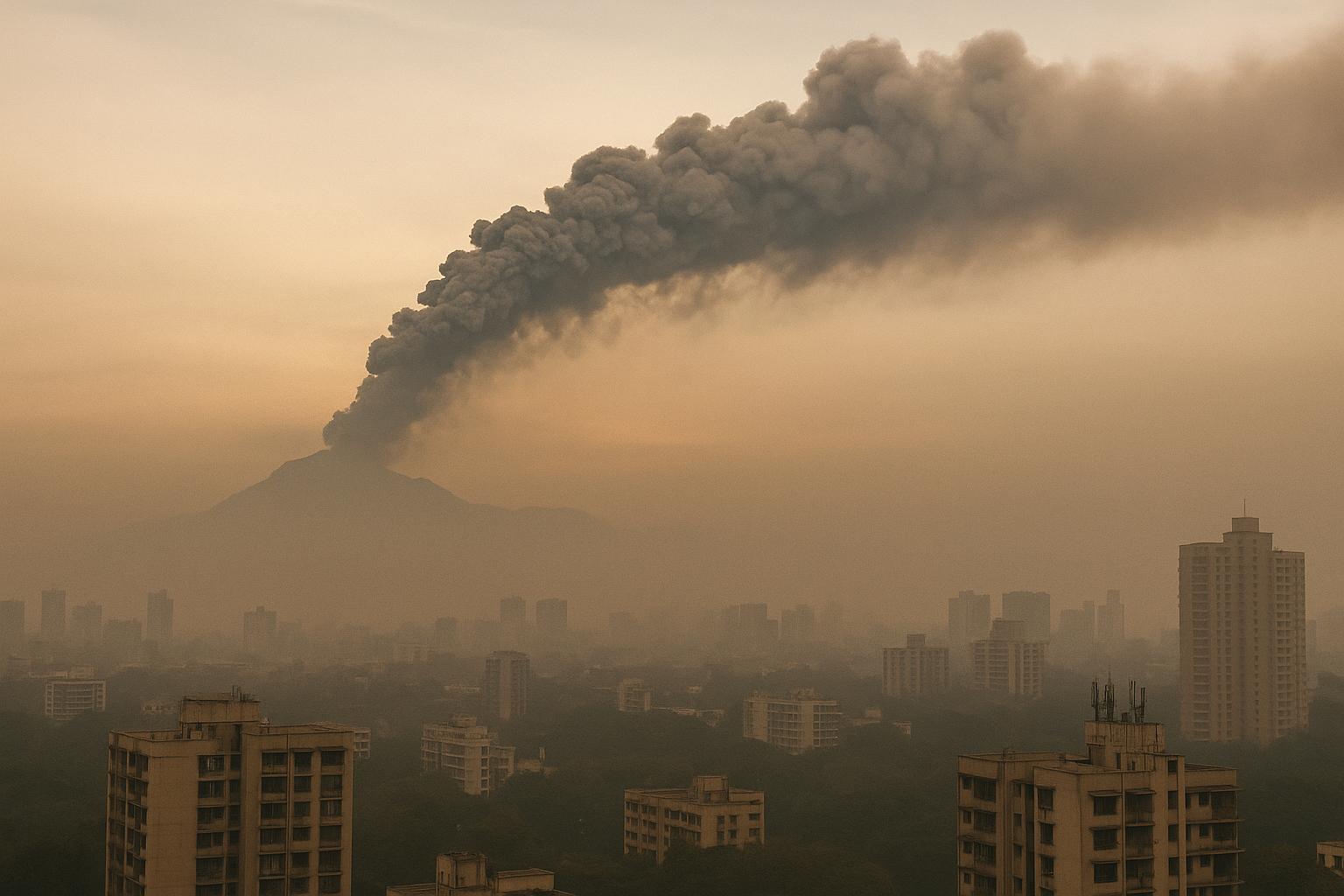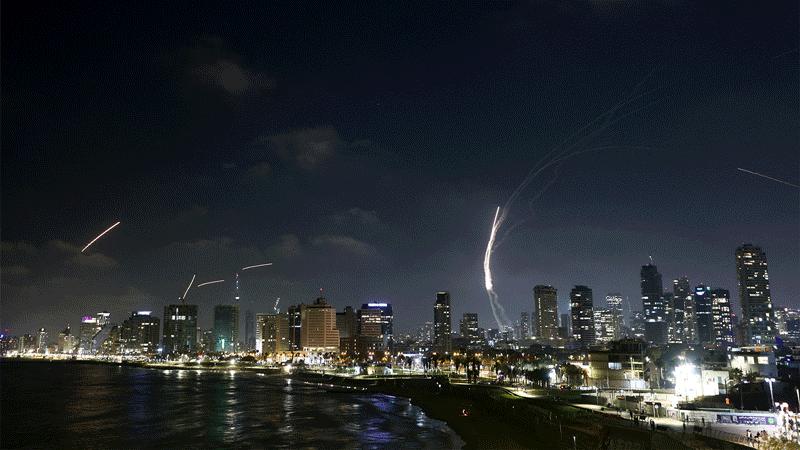
In a dramatic and dangerous turn of events, Iran and Israel exchanged a series of airstrikes over the weekend, marking one of the most intense escalations in their long-standing rivalry. The conflict began on Friday when Israel launched its largest-ever military offensive against Iranian targets, citing the need to prevent Iran from advancing its nuclear weapons program. In response, Iran retaliated with missile and rocket strikes early Saturday, hitting key Israeli cities including Tel Aviv and Jerusalem. The attacks occurred before dawn, catching many civilians off guard and leaving multiple people injured. The Israeli Defense Forces responded with additional waves of attacks on Saturday morning, heightening fears of a broader regional war.
According to initial reports, at least 80 people have been confirmed dead, with dozens more injured across both nations. The situation remains highly volatile as both governments exchange accusations and threats. International leaders have expressed grave concern, urging both sides to exercise restraint and avoid further bloodshed. The airstrikes have also prompted heightened security alerts across the Middle East, as global powers monitor the situation closely. With the potential for widespread regional impact, the Iran-Israel clash could reshape geopolitical alliances and draw other nations into the conflict if de-escalation efforts fail in the coming days.