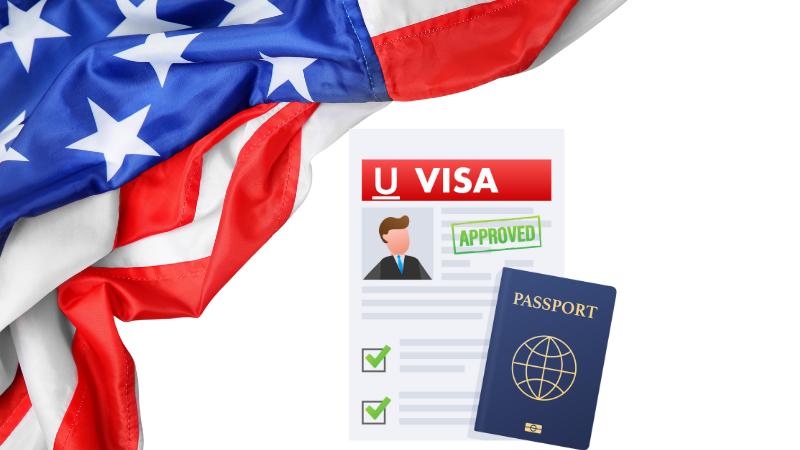
The U nonimmigrant visa, commonly known as the U visa, is a special immigration benefit offered by the United States to noncitizens who have been victims of certain serious crimes and are willing to assist law enforcement or government agencies in the investigation or prosecution of those crimes. Established under the Victims of Trafficking and Violence Protection Act of 2000, the primary goal of the U visa program is to support both public safety and humanitarian needs. It provides a way for undocumented crime victims to come forward without fear of deportation, thereby strengthening the effectiveness of law enforcement in tackling dangerous offenses.
To be eligible for a U visa, an applicant must demonstrate that they have been a victim of a qualifying criminal activity that caused significant physical or mental harm. Qualifying crimes include domestic violence, sexual assault, human trafficking, kidnapping, torture, witness tampering, involuntary servitude, felonious assault, and obstruction of justice, among others. The applicant must also possess credible and reliable information about the criminal activity and be willing to cooperate with authorities during the investigation or prosecution. Additionally, the crime must have occurred within the United States or violated US laws.
A vital requirement is obtaining Form I-918, Supplement B, which must be signed by an authorized law enforcement officer. This form certifies the victim's cooperation and assistance with the authorities, a critical element in determining U visa eligibility. Alongside the completed Form I-918 petition and Supplement B certification, the applicant must submit a personal statement describing the criminal activity they experienced, provide evidence of harm, and prove their willingness or record of cooperating with the police or prosecutors.
Applicants who are granted a U visa can also petition to include certain family members. If the principal applicant is under the age of 21, they may include their spouse, children, parents, and unmarried siblings under the age of 18. However, if the applicant is 21 or older, they may only include their spouse and children. These derivative family members can also receive U nonimmigrant status, allowing families to stay together and receive protection under the law.
While the program offers hope to many, it is heavily burdened by annual caps. Only 10,000 U visas are issued each fiscal year for principal applicants, not including family members. Due to the high demand and limited slots, the backlog for U visa processing is significant, resulting in wait times that can span from several months to several years. The delay often leaves applicants in legal limbo, but interim protections such as deferred action and work authorization may be provided while the petition is pending.
U visa holders are entitled to several rights. They receive legal status in the United States for up to four years and may be granted work authorization once the petition is approved or deferred action is issued. In certain states, U visa recipients may qualify for specific public benefits. Most significantly, after three years of continuous physical presence in the United States while holding a U visa, individuals become eligible to apply for lawful permanent residency (a green card), provided they meet the necessary criteria and demonstrate ongoing cooperation with law enforcement.
Despite its protections, there are scenarios where a U visa petition can be denied. Denials may occur if the applicant cannot sufficiently prove that the crime qualifies under the specified categories or if the person fails to cooperate adequately with authorities. A common issue is the refusal of law enforcement agencies to sign Form I-918B, the certification required to confirm the applicant's assistance. Additionally, inconsistencies, errors, or fraud in the petition can lead to rejection, as can any concerns about the applicant posing a security or criminal threat to the United States.
Overall, the U visa represents a significant lifeline for victims of crimes who seek safety, justice, and an opportunity to build a stable future in the United States. While the path may be complex and lengthy due to procedural bottlenecks and strict requirements, the benefits provided under this visa can be life-changing for those who qualify. It also plays a crucial role in ensuring that law enforcement can effectively carry out justice, especially in communities where fear of deportation might otherwise silence victims and witnesses. The program continues to balance compassion with accountability, offering a critical tool in both humanitarian relief and crime deterrence.