








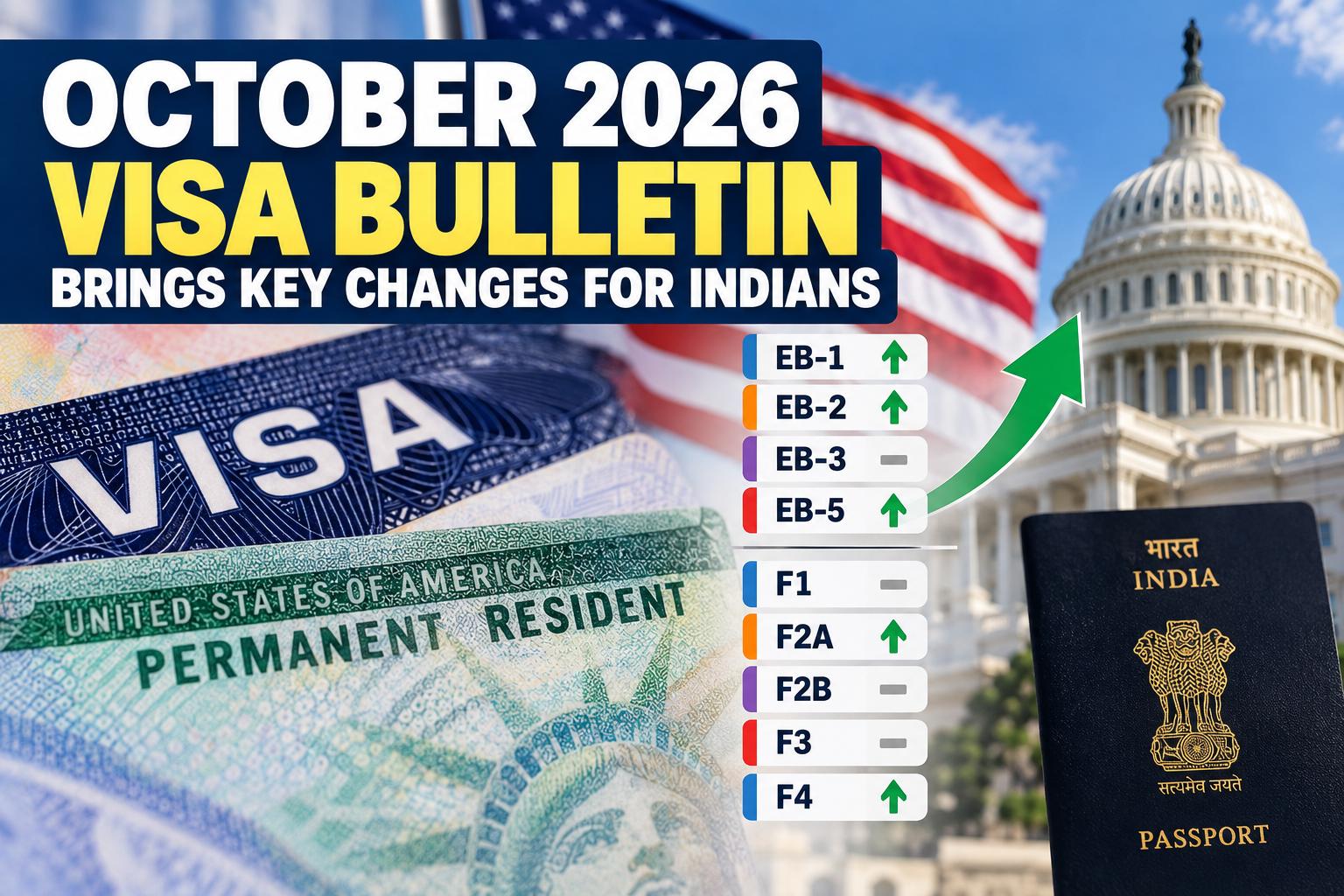



















The October 2026 Visa Bulletin brings major changes for India as FY 2027 begins, advancing EB-1 and restoring Final Action Dates for EB-2 and EB-5 unreserved while keeping EB-3 unchanged and moving some family-sponsored dates forward. The U.S. Department of State’s October 2026 Visa Bulletin opens fiscal year 2027 with renewed visa availability and several important changes for applicants chargeable to India. EB-1 advances, while EB-2 and EB-5 unr
H-1B workers can pursue permanent residence without giving up H-1B status. The common employment-based Green Card path involves PERM labor certification, Form I-140, waiting for the priority date to become eligible and filing Form I-485 for permanent residence. Can an H-1B worker apply for a Green Card? Yes. H-1B permits dual intent, meaning a worker can pursue lawful permanent
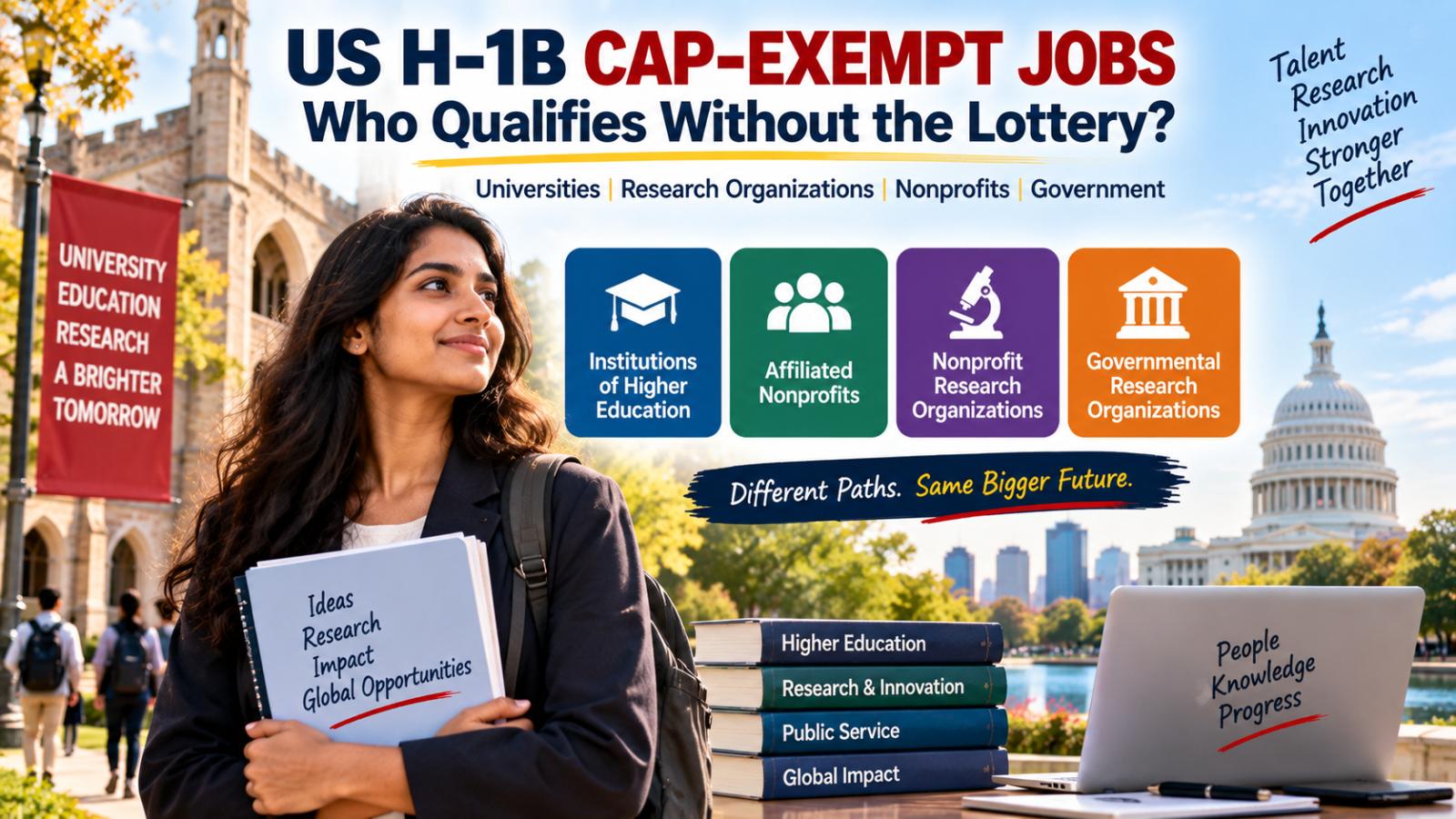
Cap-exempt H-1B jobs can allow qualifying workers to avoid the annual H-1B lottery when employed by certain universities, affiliated nonprofits, nonprofit research organizations or governmental research organizations. This guide explains eligibility and employer changes. What does cap-exempt H-1B mean? Most new cap-subject H-1B cases fall under annual limits of 65,
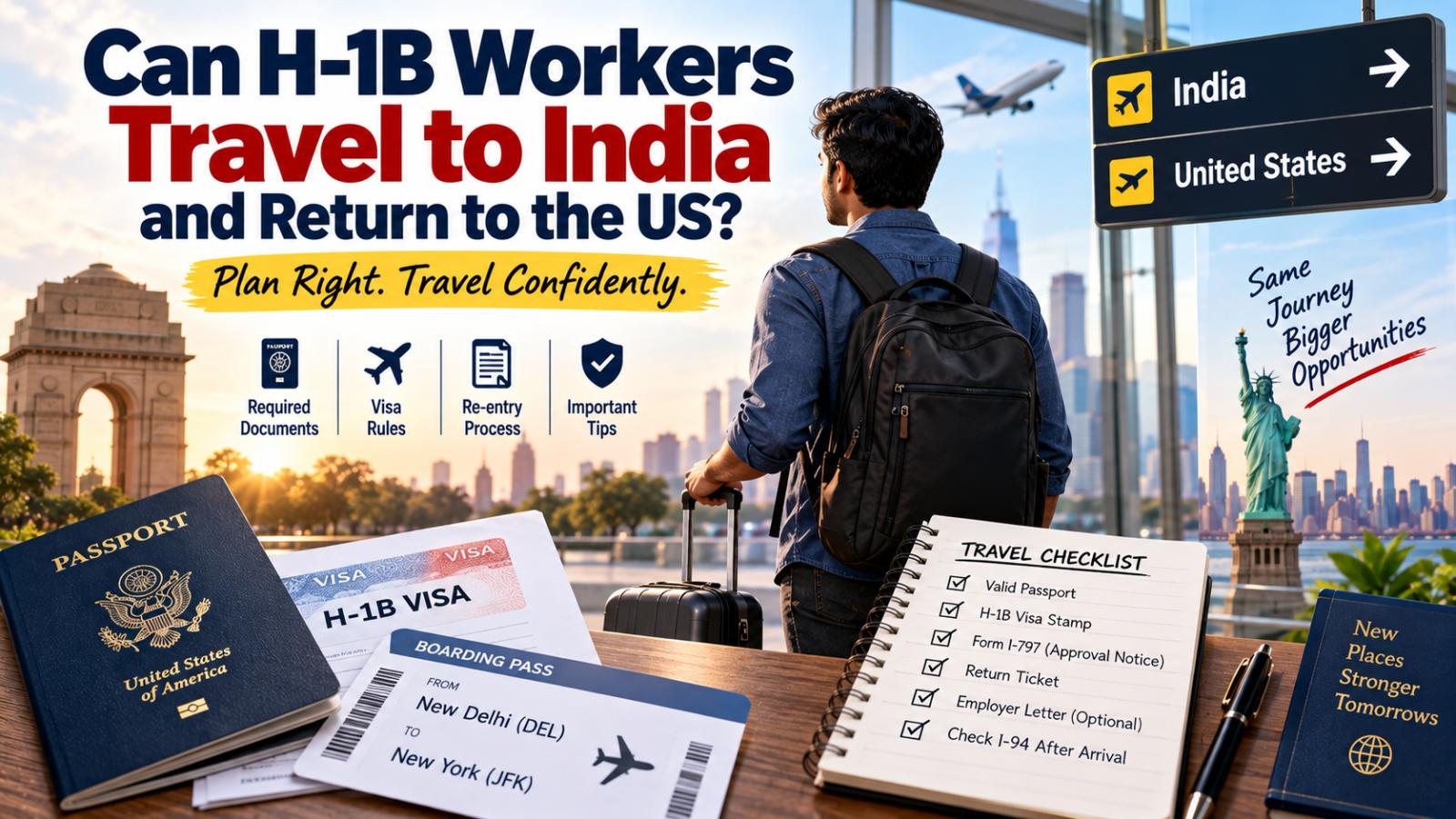
H-1B workers can travel to India, but returning to the US generally requires a valid passport, H-1B visa and approved petition. This guide explains re-entry documents, expired visa situations, I-94 checks and what workers should verify before traveling. H-1B travel to India is generally permitted H-1B workers can generally leave the United States for a trip to India and seek re-entry while thei
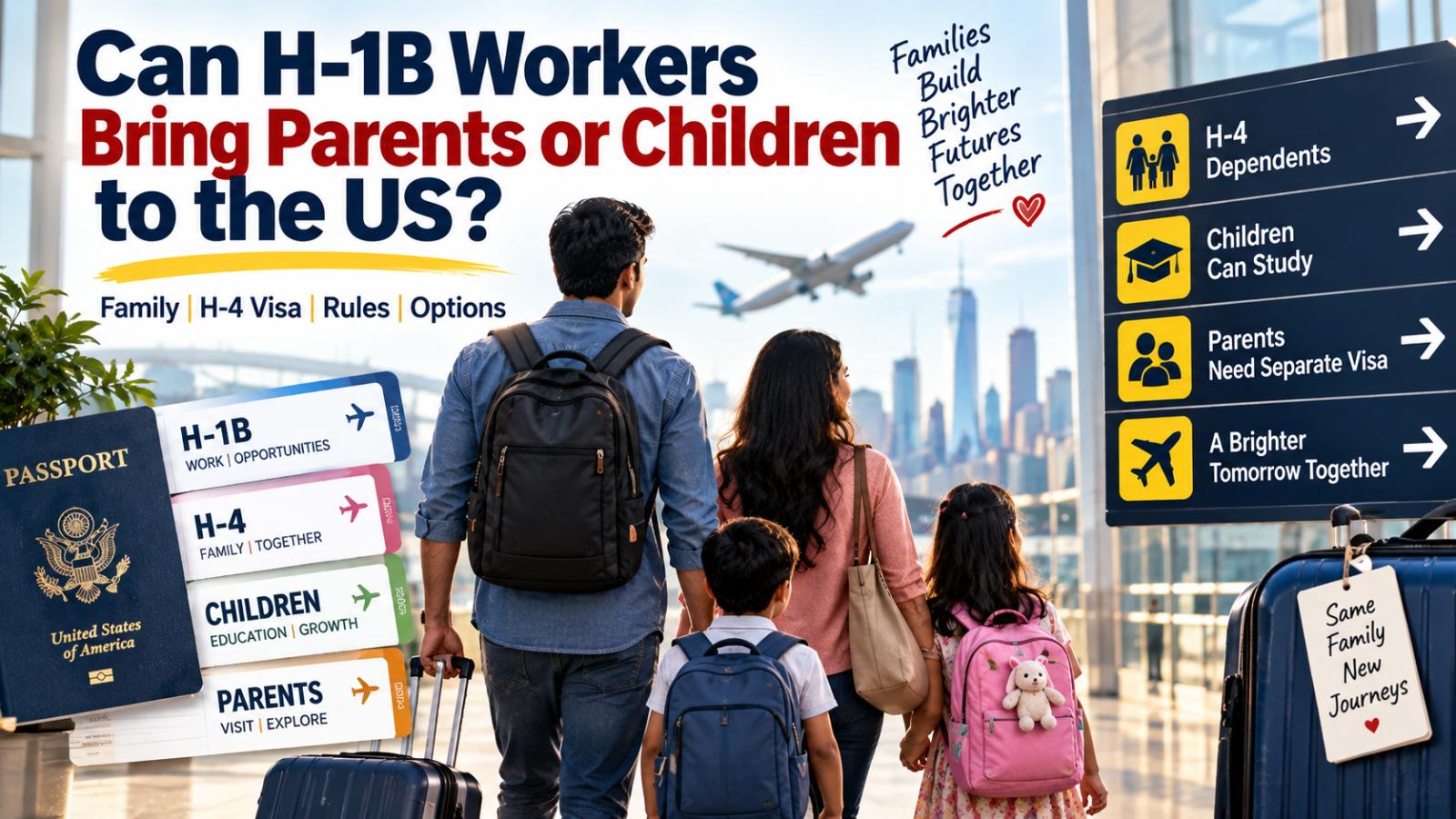
H-1B workers can bring a spouse and unmarried children under 21 to the US in H-4 status, but parents do not qualify as H-4 dependents. This guide explains H-4 eligibility, children's schooling, the age-21 limit and the separate visa options parents must use. Which family members qualify for H-4 status? An H-1B worker's spouse and unmarried children under age 21 can generally accompany or
Certain spouses of H-1B workers can obtain H-4 work authorization in the US, but H-4 status alone does not permit employment. Eligibility generally depends on the H-1B spouse having an approved I-140 or qualifying for an H-1B extension under AC21. Who qualifies for H-4 work authorization? An H-4 spouse is not automatically authorized to work simply because their husband or wife
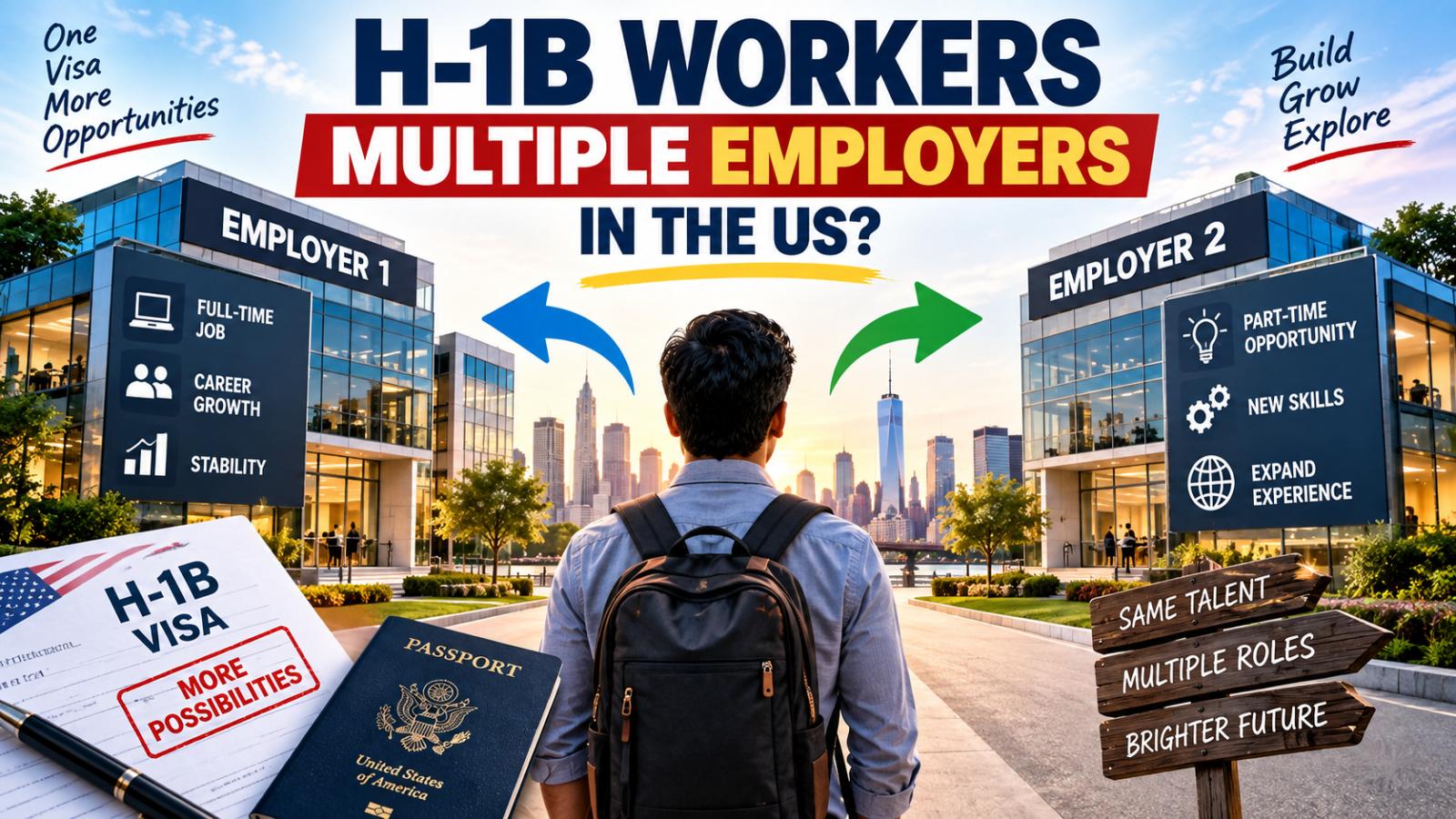
H-1B workers can work for more than one US employer, but they cannot simply take an unrestricted second job. Each employer generally must file its own H-1B petition and Labor Condition Application. This guide explains concurrent employment and job changes. How concurrent H-1B employment works An H-1B worker can legally work for more than one US emp
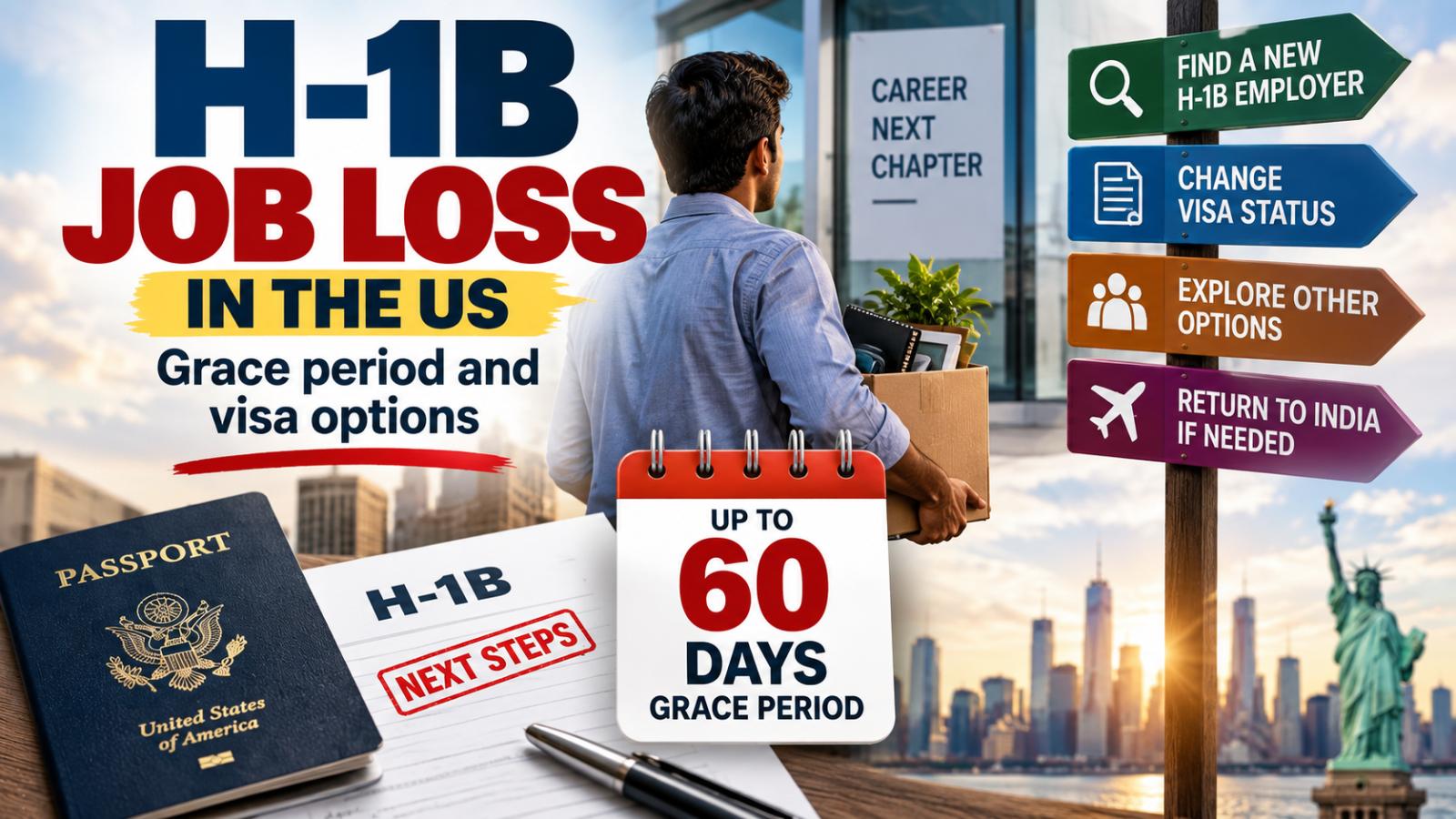
H-1B workers who lose a US job may qualify for an up-to-60-day grace period to take immigration action. This guide explains the current rule, changing employers, changing status, employer obligations and a new DHS proposal that could eliminate the grace period. How the H-1B grace period works When H-1B employment ends, either voluntarily or involuntarily, federal regulations currently allow an
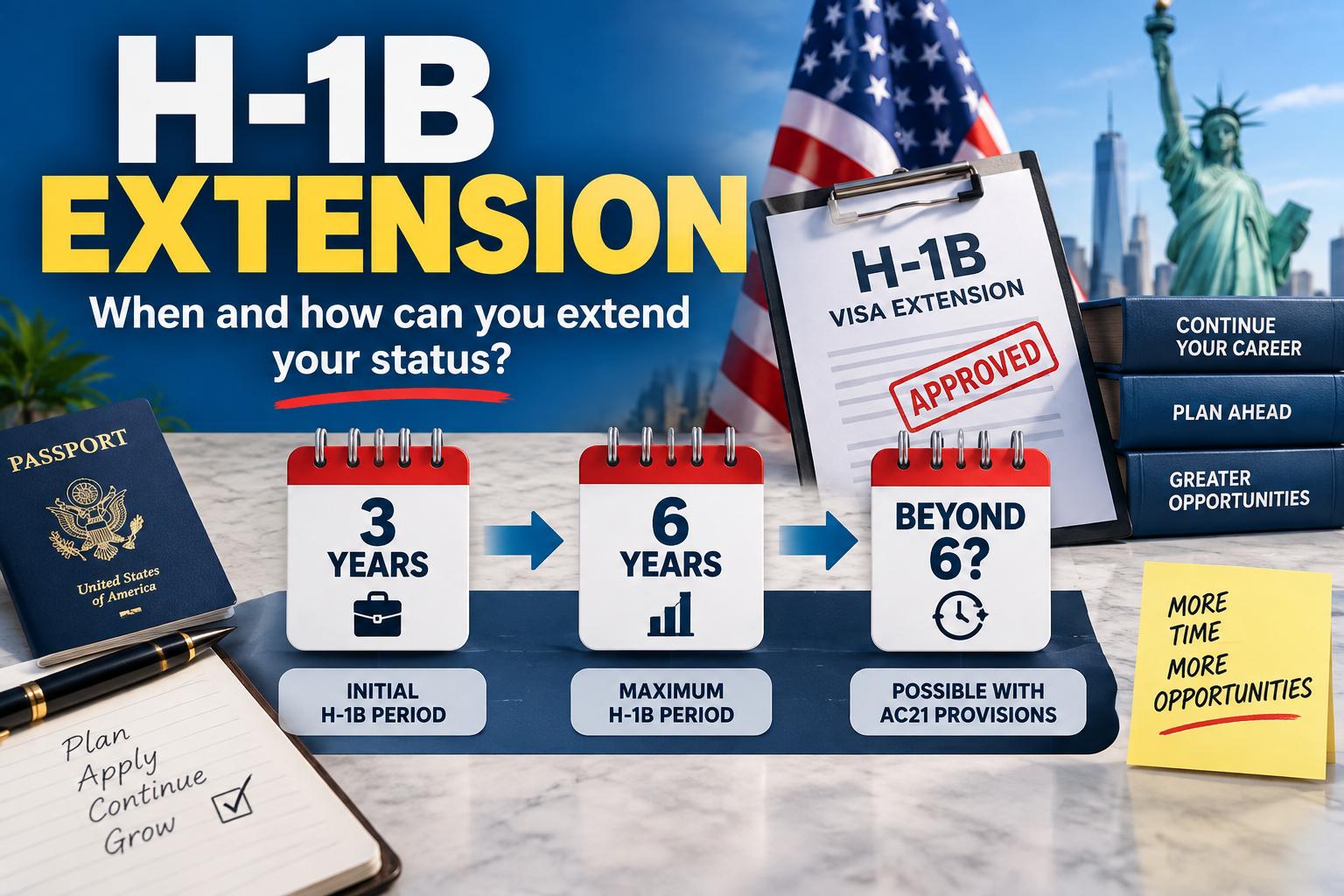
H-1B workers can generally receive extensions within a six-year maximum, while some qualify for additional time through AC21 or recaptured time abroad. This guide explains Form I-129 extensions, continued work while a case is pending and the major exceptions to the six-year limit. How the H-1B extension process works H-1B status is generally granted for periods of up to three years. An employer
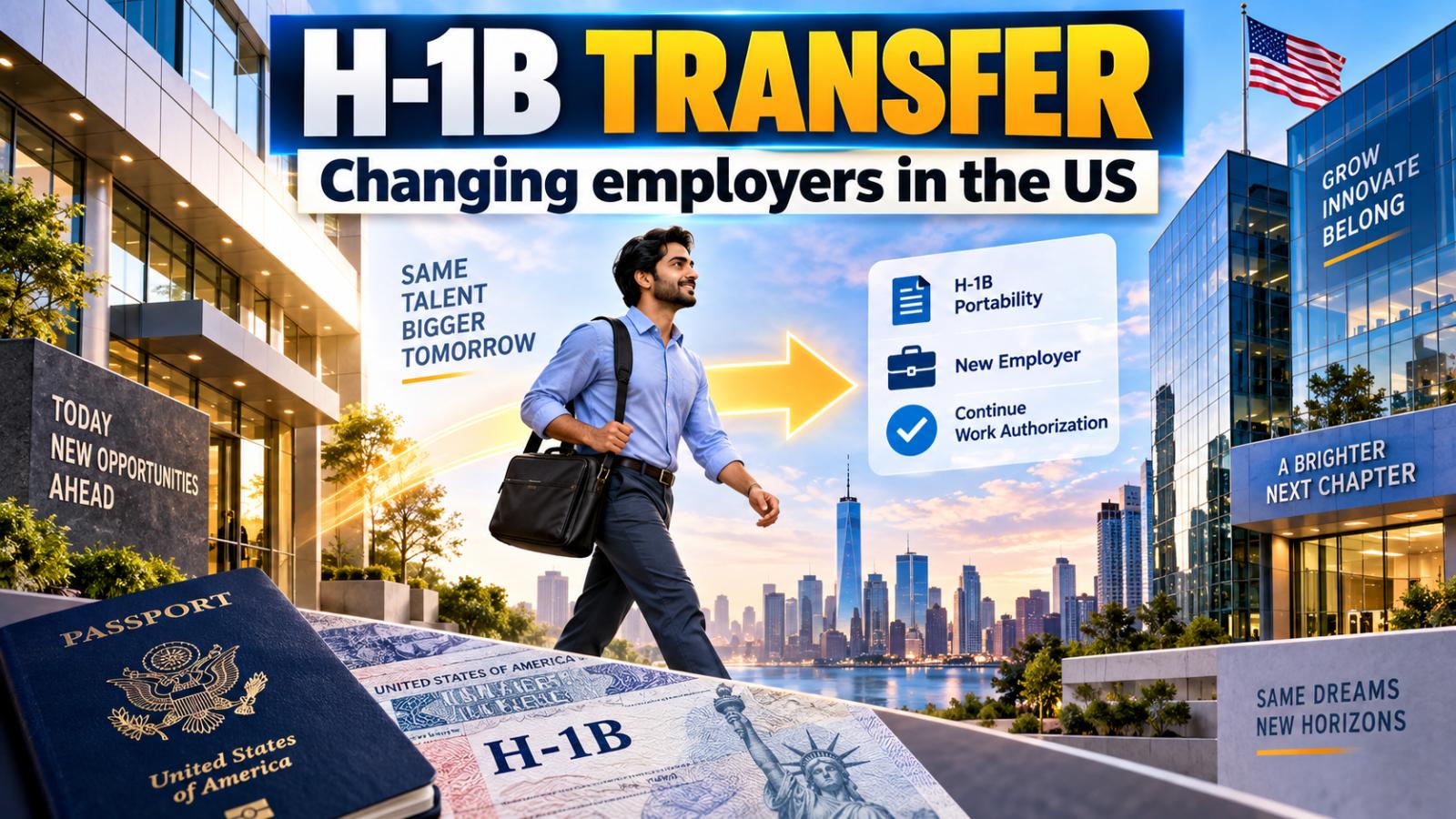
An H-1B worker can change US employers when the new company follows the required petition process. This guide explains H-1B transfer rules, the LCA and Form I-129 process, portability, when work can begin and when another H-1B lottery may or may not be required. How the H-1B transfer process works An H-1B “transfer” is commonly used
H-1B visa eligibility depends on more than holding a degree. The US job must qualify as a specialty occupation, the worker must have appropriate education, training or equivalent experience, and a qualifying employer must offer a bona fide position and file the petition. The job must qualify as an H-1B specialty occupation Most H-1B workers qualify through a specialty occupation
President Donald Trump extended the H-1B entry restriction through September 21, 2027. The proclamation again cites a $100,000 payment for certain workers abroad, but federal court rulings have blocked implementation while appeals continue over its legality. President Donald Trump signed a proclamation on September 18, 2026, extending restrictions on the entry of certain H-1B workers for another 12 months. The renewed meas
US temples sponsoring Hindu priests under R-1 rules should verify their own nonprofit eligibility, the priest's denominational membership and qualifications, religious duties, work hours, compensation and work location before filing Form I-129. US temples planning to sponsor a Hindu priest should review both the temple's eligibility and the priest's qualifications before filing an R-1 petition. The process requires documentation about the relig
US temples can provide priests with housing, room and board, stipends and other support. For R-1 workers, USCIS requires the compensation arrangement to be documented, while IRS rules determine whether housing and other benefits are excluded from income or taxable. Hindu temples in the United States may provide priests with accommodation, food, stipends and other living support instead of—or in addition to—a conventional salary. For priests
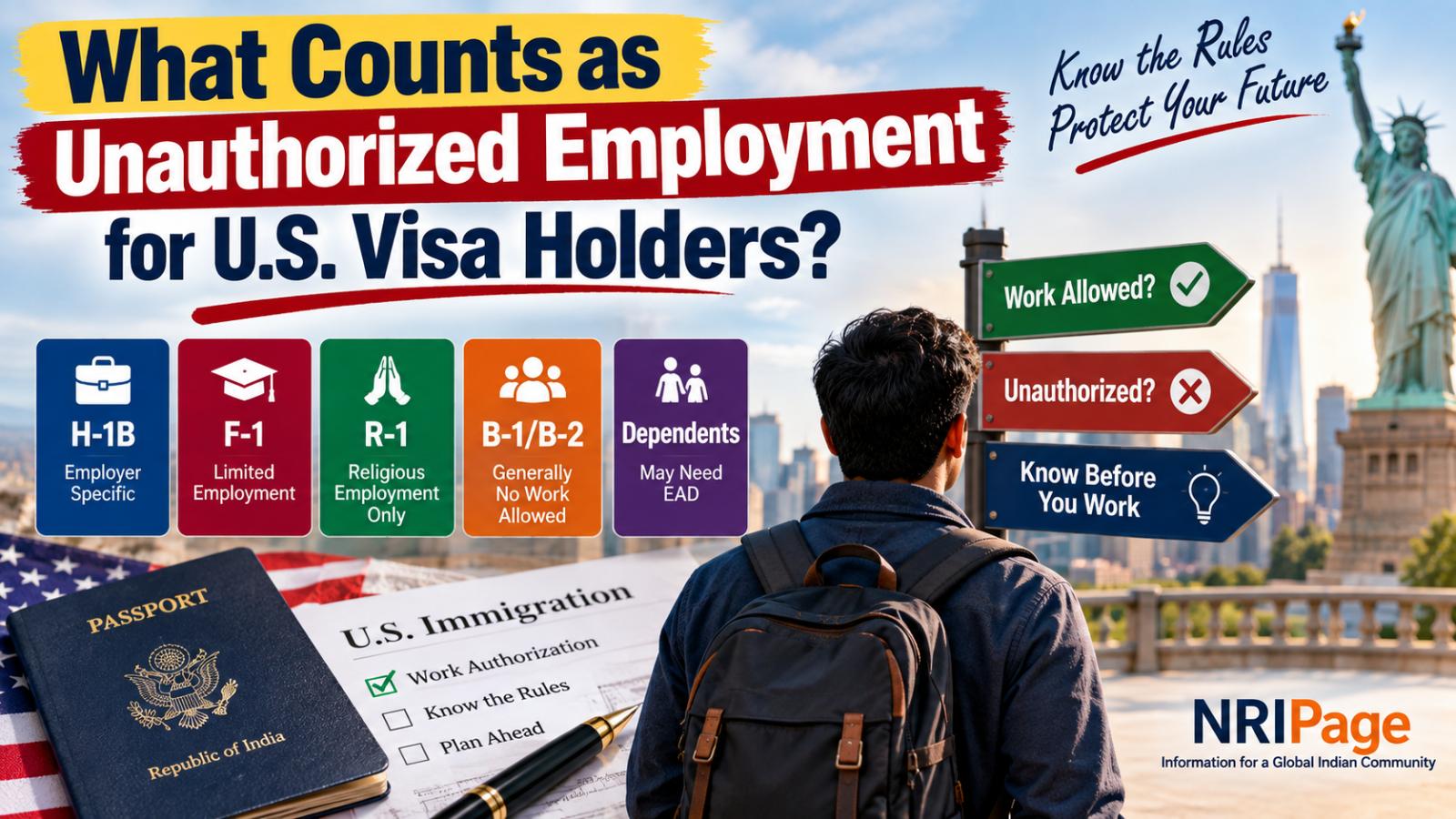
Unauthorized employment in the USA can include working without permission, working beyond an approved period or taking employment outside the limits of a visa category. H-1B, F-1, R-1, visitor and dependent visa holders can face very different rules. Taking a side job, freelancing or accepting paid work in the United States can create immigration problems when a visa holder does not have the required empl
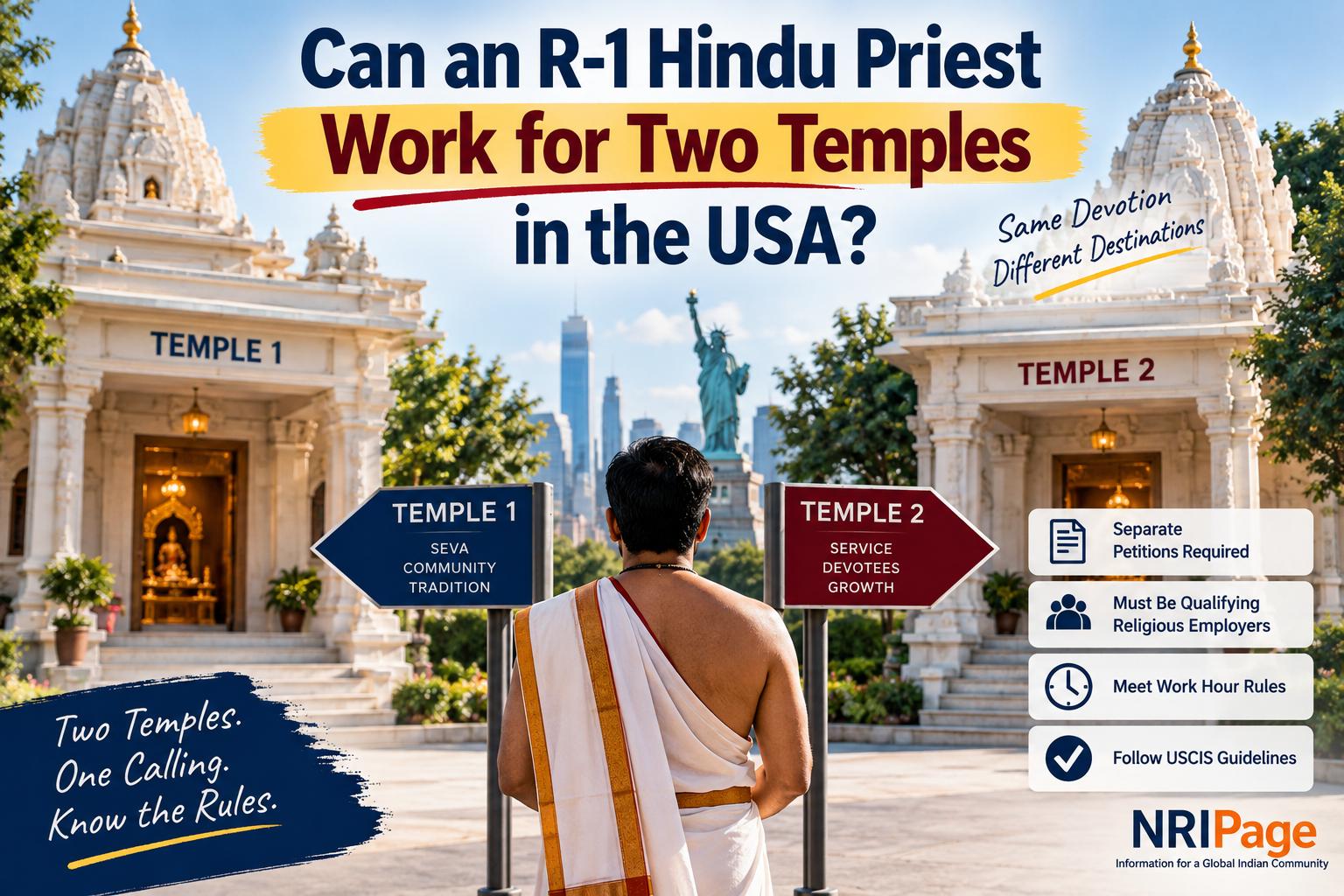
An R-1 Hindu priest can potentially work for two temples in the United States, but approval from one temple does not automatically authorize employment with another. Federal rules require each additional qualifying religious employer to obtain authorization for the worker. A Hindu priest in R-1 religious worker status can potentially work for two temples in the United States. However, approval to work for
Can an R-1 Hindu priest perform private pujas for money in the USA? A home ceremony is not automatically prohibited, but R-1 workers cannot freely take independent paid work. The sponsoring employer, approved duties, work locations and payment arrangement can determine whether the work is authorized. Hindu priests in the United States are often invited to homes for weddings, housewarmings, Satyanarayana p
The R-1 visa allows qualifying Hindu priests and other religious workers to work temporarily for eligible U.S. religious organizations. Key requirements include two years of denominational membership, an approved employer petition and at least 20 hours of religious work weekly. The R-1 visa for Hindu priests allows qualifying religious workers to serve temporarily at eligible religious or
Can a Hindu priest work a second job in the USA? Citizens and green card holders generally have broad employment rights, but priests in R-1 religious worker status face specific restrictions on employers, job duties and outside secular work. A Hindu priest working in the United States may or may not be able to take a second job. The key factor is not the person's religious role itself, but their U.S. immigration and employment status
US immigration authorities have denied and revoked multiple H-1B petitions filed by a major IT consulting company after finding that skilled technology jobs were classified at wage levels lower than the duties and requirements of those positions supported. USCIS Flags Lower Wage Classifications UNITED STATES, September 5, 2026 US Citizenship and Immigration Services