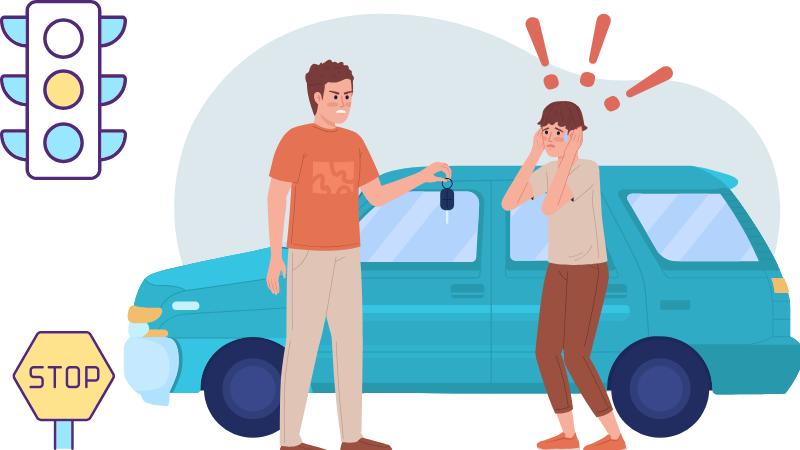
Guilt is one of the most common yet misunderstood emotions we carry. Everyone at some point has felt the heavy weight of guilt after making a mistake, hurting someone, or failing to live up to expectations. But while guilt is natural, many people spend far too much time stuck in it. The truth is simple: guilt is a waste when it lingers without resolution. Feeling guilty does not undo the past, it does not heal the person hurt, and it does not correct the mistake. What really matters is acceptance, responsibility, and the courage to move forward.
Human beings are conditioned to feel guilt because it is tied to conscience and morality. It signals that something we did was wrong, or at least perceived as wrong. In that sense, guilt has a purpose, but only as a signal, not as a permanent state. Once we know we have erred, the right step is to accept it. If our actions caused harm, we need to take responsibility and, if possible, make amends. If it was simply a poor choice, we must learn from it and ensure it is not repeated. Beyond that, guilt loses its value. Carrying it endlessly is like holding a weight that crushes only the one carrying it, without serving any greater good.
Many people fall into the trap of overthinking their mistakes. They replay events repeatedly, questioning what they should have done differently. This cycle not only wastes emotional energy but also prevents growth. Guilt without action becomes self-punishment, and over time it can lead to feelings of worthlessness, anxiety, and even depression. Instead of being a motivator for improvement, it turns into a prison of regret. That is why it is often said that guilt is wasted emotion. Unless it sparks change, it achieves nothing except keeping people stuck in the past.
Acceptance, on the other hand, is liberating. To accept a mistake does not mean excusing it or pretending it did not matter. It means acknowledging reality as it is. A person who accepts their fault is already on the path to improvement. They stop resisting what happened, and instead of dwelling on what cannot be undone, they focus on what can be done differently in the future. Acceptance transforms guilt into learning. It provides clarity and peace of mind that guilt alone never offers.
Some people believe that staying guilty is a form of penance, that the longer they feel bad, the more they are proving their remorse. But this is misleading. True responsibility is not measured by the length of guilt but by the willingness to correct what can be corrected and to grow from the experience. A short period of genuine reflection and then decisive action is far more valuable than months or years of silent suffering.
It is also important to recognize the difference between healthy and unhealthy guilt. Healthy guilt is that momentary sting of conscience that tells you something was wrong and pushes you to make it right. Unhealthy guilt is the prolonged, excessive kind that persists even after you have acknowledged your mistake or when the fault was not truly yours to begin with. The latter can be destructive, as it consumes mental energy that could be used for positive growth.
In daily life, people often carry guilt for minor things: not calling a friend, forgetting a task, or saying something thoughtless. While it is good to be aware of our actions, it is equally important not to inflate these situations into lifelong burdens. Life moves forward, and so should we. The best use of guilt is as a quick reminder, not a constant companion.
The healthier approach is to shift perspective: instead of saying “I feel guilty,” say “I made a mistake, and I will correct it.” This simple change turns the focus away from the endless feeling and toward meaningful action. It is the action that matters in the end, not the guilt itself. A mistake accepted and corrected can become a stepping stone. A mistake drowned in guilt becomes an anchor.
The bottom line is that guilt in itself is of no use if it does not lead to acceptance and change. We cannot change the past, no matter how much guilt we carry, but we can influence the present and future by making different choices. Guilt should be a passing visitor, not a permanent resident in the mind. If you did wrong, accept it. If you can, make amends. If not, at least learn and move forward. That is all that truly matters.
By understanding this, people can stop wasting energy on guilt and instead redirect it toward growth, healing, and peace. Life is too short to be lived under the constant shadow of regret. Acceptance is not weakness, it is strength. It frees you from the chains of guilt and allows you to walk forward with clarity.