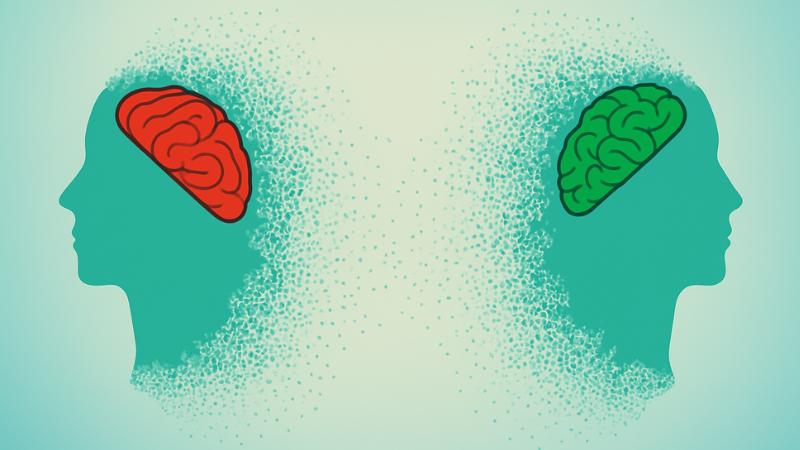
Smartness: the positive and negative sides
Smartness is one of the most admired human qualities, but it is often misunderstood. People use the word interchangeably with intelligence, cleverness, or even cunningness. Yet, smartness by itself is neither good nor bad. It is simply a neutral ability — the quick thinking, adaptability, and resourcefulness that allows people to respond effectively in different situations. What defines whether it becomes a force for growth or a source of harm is intention.
When smartness is used with fairness, honesty, and a larger sense of responsibility, it becomes intelligence. It guides progress, builds trust, and creates opportunities for growth without hurting others. On the other hand, when smartness is driven by selfishness at the cost of others, it slips into cunningness. It may bring short-term gains but usually results in loss of respect, trust, or long-term stability.
The positive face of smartness
Smartness in its positive form shows up as intelligence. This is when a person uses their cleverness to solve problems, innovate, and achieve success while staying fair and ethical. A student who prepares for an exam by identifying key topics and using effective revision techniques is using positive smartness. A professional who finds efficient ways to complete projects without cutting corners is another example. Here, smartness becomes a tool for growth, efficiency, and respect.
In spiritual traditions, this form of smartness is celebrated. Lord Krishna in the Mahabharata demonstrated intelligent strategies that may have appeared unconventional but were aligned with dharma, the greater good. Such examples highlight that smartness guided by values can transform challenges into victories that benefit not just one person, but society as a whole.
The negative face of smartness
When smartness is used for manipulation or unfair advantage, it takes the form of cunningness. This side of smartness focuses on exploiting loopholes, deceiving others, or prioritizing self-interest even if it causes harm. For instance, a businessman who manipulates contracts to underpay suppliers may see short-term profit, but eventually loses trust and credibility. This type of smartness often backfires, leaving relationships and reputations damaged.
History too shows such examples. Chanakya warned that cunning strategies used for selfishness alone will collapse eventually, because they are not rooted in balance or justice. Negative smartness often looks tempting because it produces quick results, but it is unstable and risky, carrying long-term consequences.
Real-life contrasts
Consider two individuals. One is a student who uses time management and note-making techniques to pass exams efficiently. Another is a student who cheats to secure grades. Both are smart in their own way, but the first represents positive smartness while the second represents negative smartness. Similarly, a leader who negotiates fair trade deals is practicing intelligence, while a leader who manipulates policies only for personal benefit is practicing cunningness.
In daily life, everyone faces choices that reveal whether their smartness will evolve into intelligence or cunning. Choosing the positive path builds sustainable growth, while the negative path may create harm despite short-term success.
Smartness is like fire
Smartness is best understood as fire. Fire can cook food, give warmth, and create light when used wisely. But the same fire can burn homes if misused. The same applies to human cleverness. The ability itself is neutral, but the intention behind its use decides its value.
Smartness is neither good nor bad by itself. It is a tool that reflects the user’s intentions. When blended with honesty, fairness, and vision, it becomes intelligence that helps both individuals and societies progress. When guided by selfishness and harm, it becomes cunning that eventually destroys trust and stability. From modern classrooms and workplaces to ancient battlefields like Kurukshetra, the lesson remains the same — the true measure of smartness is not how clever one is, but how wisely and ethically that cleverness is applied.