Iran officials head to Oman
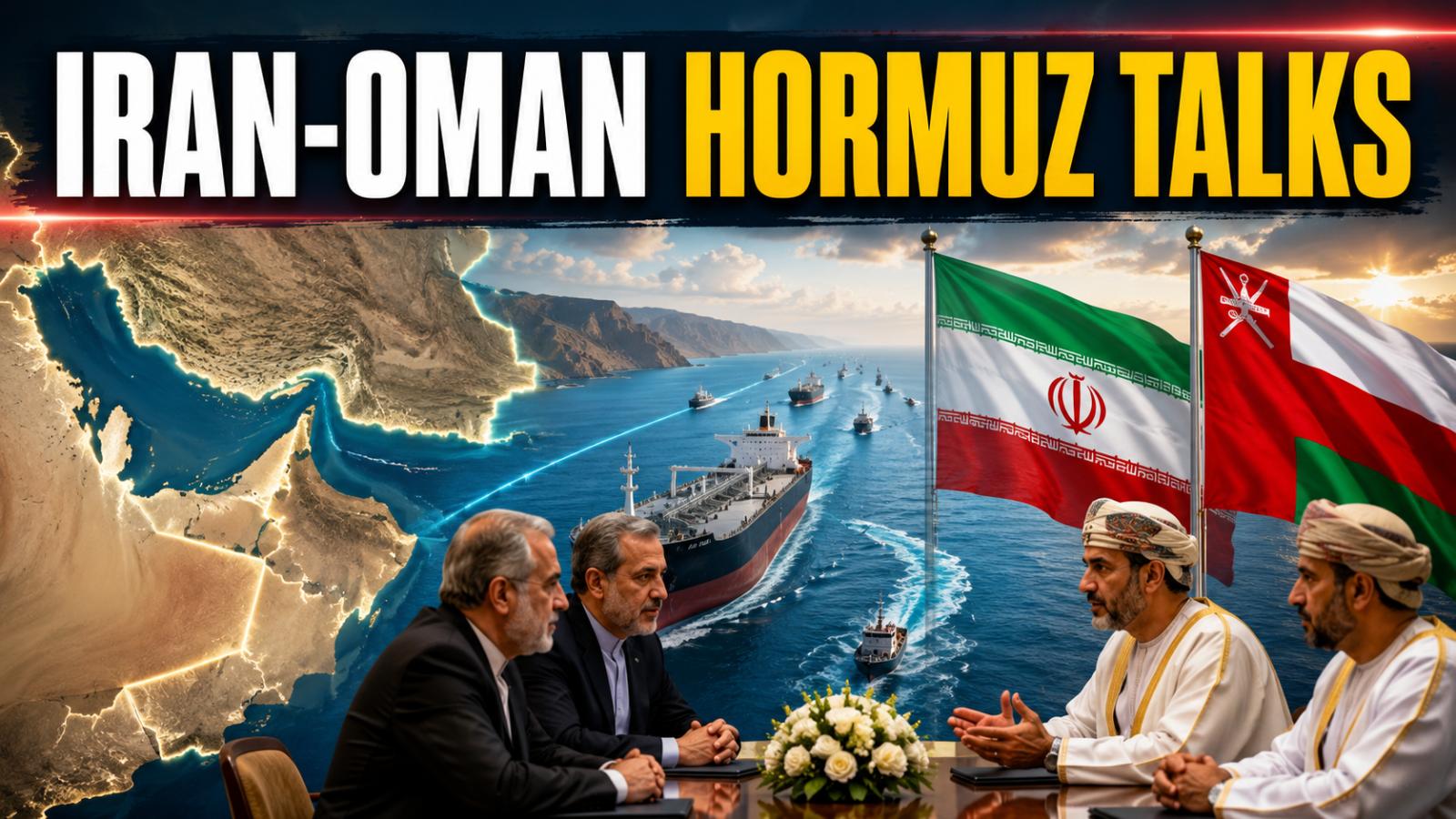
Iran’s top negotiator Mohammad Baqer Qalibaf and Foreign Minister Abbas Araqchi are travelling to Oman for talks expected to cover shipping arrangements in the Strait of Hormuz and wider regional developments. According to a statement on Qalibaf’s Telegram channel, the visit is aimed at consolidating Iranian arrangements linked to managing shipping in the strategic waterway, one of the world’s most important routes for energy transport.
The Iranian officials are also expected to meet Oman’s Sultan Haitham bin Tariq to discuss expanding cooperation between Tehran and Muscat. Oman has often played a diplomatic role in regional disputes, and the latest visit comes as Gulf states watch closely for signs of how a preliminary Iran-related understanding may affect maritime security, oil flows and regional power balances.
US waiver follows Swiss talks
The Oman visit follows recent US Iran discussions in Switzerland, where negotiators reported encouraging progress toward reducing tensions. As part of that broader process, the US Treasury issued a 60-day sanctions waiver allowing the production, delivery and sale of Iranian oil to the United States. The move is being viewed as an early confidence-building step, though its long-term impact will depend on whether further negotiations produce a durable agreement.
At the same time, US Secretary of State Marco Rubio is set to visit the United Arab Emirates, Kuwait and Bahrain to present the preliminary Iran accord directly to Gulf Arab allies. During his stop in Bahrain, Rubio is also expected to meet with the Gulf Cooperation Council, which includes Saudi Arabia, Qatar, Oman, Kuwait, Bahrain and the UAE.
Gulf allies raise concerns
GCC leaders have largely supported efforts to end the Iran conflict, but several governments remain uneasy about parts of the memorandum of understanding signed by Washington. One concern is whether a proposed $300 billion reconstruction fund for Tehran could eventually be used to rebuild military capacity or support regional proxy groups.
Gulf states are also concerned that the framework does not fully address Iran’s ballistic missile program. Those concerns are significant because several GCC countries have faced missile and drone threats during recent regional tensions. The presence of US military bases in the UAE, Saudi Arabia, Kuwait, Bahrain and Qatar adds another layer of importance to Rubio’s trip, as Washington seeks support while managing Gulf security fears.