US raises alarm over China missile launch
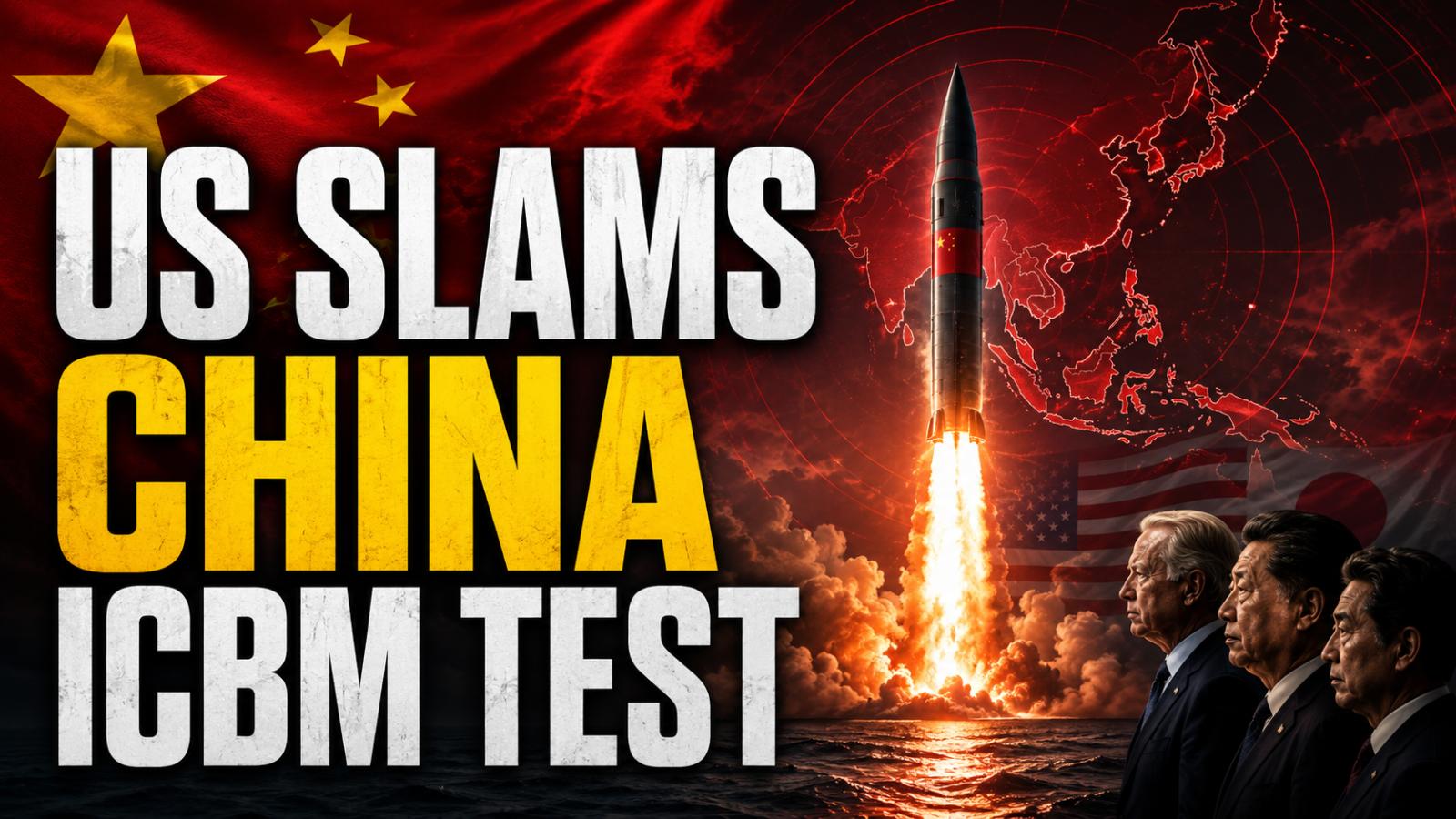
The United States has sharply criticised China after Beijing conducted a rare intercontinental ballistic missile test over the Pacific Ocean, saying the launch reflects growing concern over China’s expanding and opaque nuclear programme. The missile, which carried a dummy warhead, was fired on Monday, July 6, in what Beijing described as a routine military exercise. However, the test drew reactions from several Indo-Pacific countries, including Japan, Australia and New Zealand, as regional governments assessed the security implications of the launch.
The test marked China’s second known ICBM launch over international waters in two years. Before a similar launch in 2024, China had not publicly fired an intercontinental ballistic missile into the Pacific for more than four decades. Military analysts say the latest missile launch highlights Beijing’s ability to project long-range strike capability far beyond Asia, including toward the continental United States. Concern deepened after monitors suggested the missile may have been launched from a nuclear-powered submarine before landing near the Solomon Islands, though that detail has not been officially confirmed.
Washington calls for arms control talks
The US State Department said China’s nuclear buildup is moving in the wrong direction at a time when Washington says it is seeking to limit nuclear proliferation. State Department spokesperson Tommy Pigott said Beijing’s rapid and unclear expansion of nuclear weapons is a serious concern for the region and the wider world. Washington also urged China to provide regular advance notifications for future intercontinental missile launches and return to meaningful arms control discussions.
The issue has taken on added importance after the United States allowed the New START treaty with Russia to expire earlier this year, arguing that any future arms control framework should include China. Beijing has long resisted joining nuclear limits negotiated mainly between Washington and Moscow, saying its arsenal remains smaller than those of the two major nuclear powers.
Indo-Pacific governments respond
China said it notified relevant countries before the test. New Zealand confirmed it received notice roughly two hours before the launch, while Japan also said it had been informed and expressed serious concern. Australia described the launch as destabilising for the region, though analysts noted that tests of this scale are usually planned months in advance.
Russia defended China’s action, calling the missile test a sovereign right and saying Beijing was not threatening other countries. Even so, the launch is likely to intensify debate over Indo-Pacific security, nuclear transparency and the future of arms control between major powers.