Former U.S. President Donald Trump has once again shaken global trade by doubling tariffs on Indian goods to 50%, citing India’s continued purchase of Russian oil. This sudden escalation is among the highest tariff rates imposed on any U.S. trade partner and has sent shockwaves across industries in India and the Indian diaspora in the United States.
Why the Tariffs Were Imposed
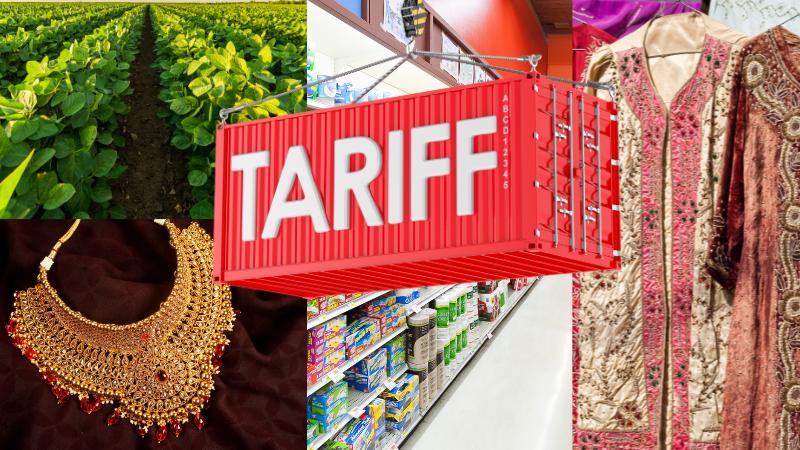
The Trump administration justified the steep hike as a response to India’s unwillingness to reduce its Russian oil imports, despite U.S. sanctions and pressure. The tariffs target a wide range of products including textiles and garments, gems and jewelry, seafood and agricultural products, footwear and furniture, and chemicals and handicrafts. These categories together account for billions of dollars in Indian exports to the U.S., making the impact both immediate and severe.
Impact on India
Export Losses: Analysts estimate India could lose between $37–40 billion in export value. Job Risks: Millions of workers, especially in SMEs (small and medium enterprises), are at risk as demand from the U.S. declines. GDP Growth: India’s GDP growth could slow by up to 1%, hitting manufacturing-heavy states like Gujarat, Tamil Nadu, and Maharashtra. Trade Diversification: India is already seeking new export markets in Africa, Latin America, Southeast Asia, and the EU to offset U.S. losses.
Impact on Indians Living in the U.S. and NRIs
Rising Costs for Indian Families in the U.S.: Daily essentials and cultural products imported from India — spices, rice, tea, clothing, wedding jewelry, idols, and handicrafts — will now be much more expensive. This directly affects Indian families who depend on authentic goods for their weddings, festivals, and religious functions. NRI-Owned Businesses Under Strain: Thousands of NRIs in the U.S. run grocery stores, jewelry shops, clothing boutiques, and wholesale import businesses. With tariffs raised to 50%, their profit margins shrink, and they may be forced to either raise prices or reduce imports. Indian restaurants and caterers relying on imported spices and ingredients may also need to increase menu prices, making them less competitive. Jobs and Professional Impact: NRIs working in import-export, logistics, and retail sectors tied to Indian goods face job insecurity as trade volumes decline. Even professionals in finance, consulting, and supply chains with links to U.S.–India trade could feel the ripple effect. Community and Cultural Effects: Tariffs could weaken cultural ties by making Indian wedding jewelry, ethnic clothing, and puja items costlier. Large-scale events like Indian weddings and Diwali festivals in the U.S. may see higher expenses or reduced imports from India. Financial Impact on NRI Investors: NRIs who invest in Indian export-oriented companies may face reduced returns due to declining revenues. Stocks of Indian firms in textiles, gems, and seafood could take a hit.
Diplomatic and Strategic Fallout
While Trump has portrayed the move as a “strong stand” against India’s Russian oil imports, India insists on its right to energy independence and continues to diversify its global partnerships. However, the tariffs place significant strain on U.S.–India relations and could reshape trade dynamics for years to come.
Trump’s tariffs on India are more than a trade issue — they directly impact workers in India, Indian businesses, and the NRI community in the U.S. From higher household expenses for Indian families abroad to billions lost in exports at home, the ripple effects are far-reaching. As India navigates this economic shock, NRIs in America will also need to adjust to higher costs and tougher business conditions.