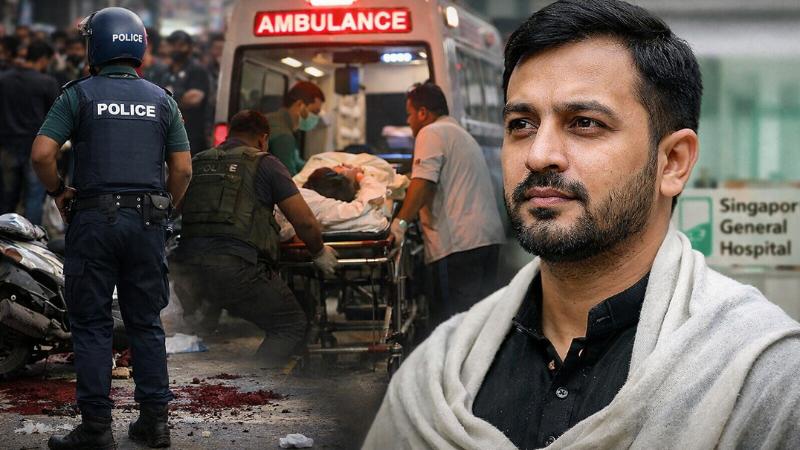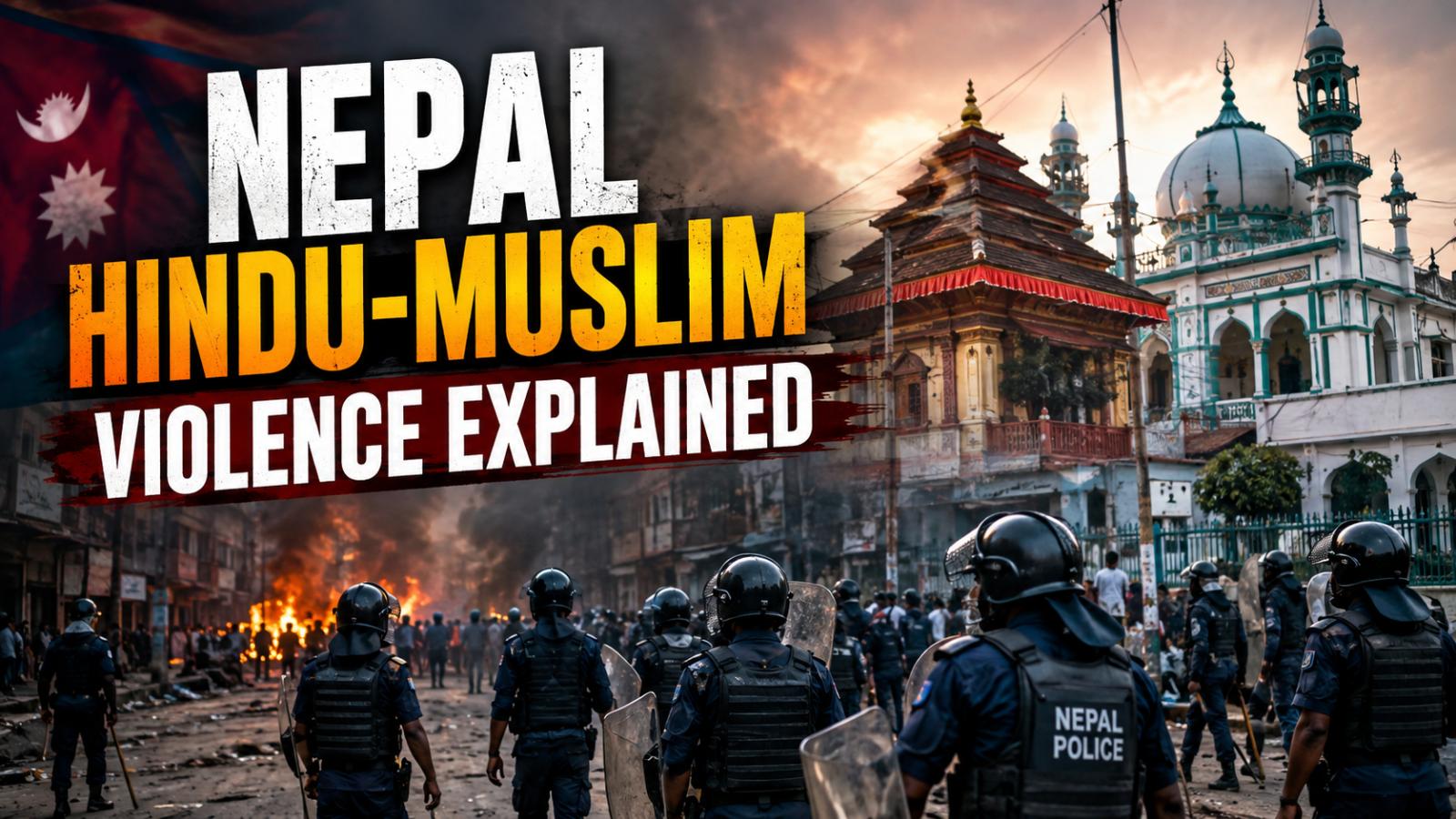
Nepal's southern plains have experienced one of the country's most serious outbreaks of communal unrest in recent years. The Nepal Hindu Muslim violence explained through official statements shows how a local religious dispute in Sunsari district escalated into wider Nepal communal unrest, leading to multiple deaths, curfews and an urgent Nepal government response aimed at restoring peace.
Nepal Communal Unrest Began in Sunsari
The violence began on the night of July 26 in Kaptangunj, located in Dewangunj Rural Municipality of Sunsari district in Koshi Province. According to local authorities, a dispute between Hindu and Muslim groups during religious celebrations quickly turned violent. Police intervened to control the situation, but the confrontation spread beyond the original location within a short period.
Officials confirmed that three people lost their lives during the unrest, while security personnel were deployed to prevent further escalation. The government responded by increasing security presence across the affected areas and monitoring the situation closely.
Terai Region Violence Spread Across Multiple Districts
What started as an isolated incident soon expanded across Nepal's southeastern Terai region. Authorities first imposed curfews in Dewangunj before extending restrictions to Sarlahi, Dhanusha, Siraha and Saptari as tensions grew.
The Terai region shares a long border with India and is home to the Madheshi community, along with a larger Muslim population compared with Nepal's national average. Although Muslims represent only around five percent of Nepal's population, communities in these districts have historically lived together peacefully. Officials continue to stress that the current violence should not define relations between the two communities.
Security agencies have urged residents to cooperate with law enforcement while authorities continue patrols and monitor sensitive areas to prevent additional incidents.
Nepal Curfew Districts and the Cause of the Violence
Authorities say the immediate trigger was a disagreement over religious celebrations between members of the Hindu and Muslim communities in Kaptangunj. Investigators have not publicly identified any broader organised conspiracy or long-term political motive behind the violence.
Government officials have repeatedly warned citizens against sharing rumours, misinformation or hate speech on social media. According to official statements, false information can rapidly inflame tensions and create further law and order challenges during sensitive situations.
The administration has appealed to community leaders, religious organisations and local residents to promote dialogue and avoid actions that could increase tensions.
Nepal Government Response and Prime Minister's Appeal
Following criticism over his delayed public response, Prime Minister Balendra Shah addressed the nation on July 31 and said the government was treating the unrest with the utmost seriousness. He appealed to political parties, civil society, religious leaders, media organisations and citizens to help preserve peace, national unity and social harmony.
The Prime Minister urged the public to rely only on official information and avoid circulating unverified claims online. He also warned that strict legal action would be taken against anyone attempting to disturb public peace or encourage communal hatred.
Shah reaffirmed that Nepal's Constitution guarantees every citizen the freedom to practise their religion and stated that the government remains committed to protecting those constitutional rights while restoring normalcy in the affected districts.
Authorities continue to monitor the security situation across the Terai region. While curfews and additional deployments have helped contain further escalation, officials say maintaining peace will require cooperation from local communities, responsible public communication and continued adherence to the rule of law. The government has encouraged citizens to remain calm, follow official advisories and avoid spreading unverified information as investigations into the incidents continue.