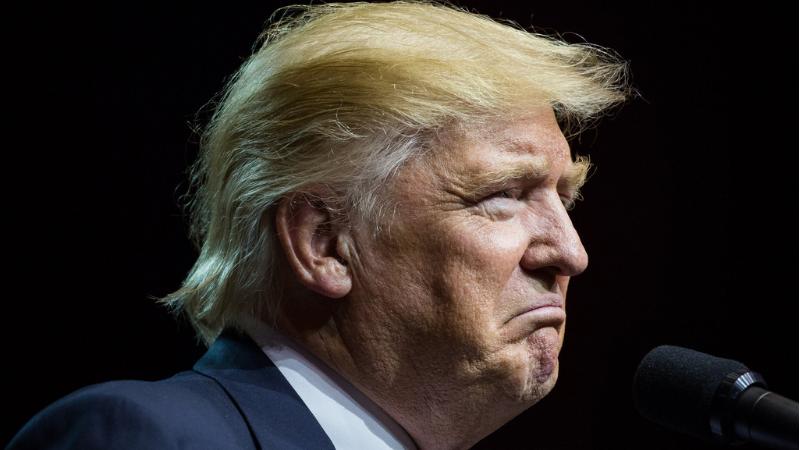
President Donald Trump has strongly condemned a recent terror attack in Kashmir that resulted in the deaths of at least 20 tourists, signaling his concern over rising violence in the region and emphasizing the need for international cooperation to combat terrorism. The attack took place at a popular resort in the Pahalgam area, located in the Indian-administered region of Jammu and Kashmir, a place often visited by travelers due to its scenic beauty.
The tragic event, which left scores injured and caused widespread fear, is being viewed as a disturbing escalation in the ongoing instability within the region. As the international community reacts with concern, President Trump took to social media to offer condolences to the families of the victims and to assert the importance of taking a united stand against terrorism. He expressed solidarity with India and reaffirmed America's commitment to assisting allies in efforts to eliminate extremist threats.
Reports indicate that the resort attack targeted civilians, most of whom were tourists from various parts of India. Many victims were reportedly caught in the crossfire as gunmen opened fire near the lodging area, which was at full capacity due to the peak travel season. Rescue operations were swiftly launched by local authorities, and security forces cordoned off the area as investigations began.
Though no group immediately claimed responsibility, officials believe the attack may be linked to militant outfits operating in the area with the goal of destabilizing the region and deterring tourism, a vital sector for the local economy. Analysts warn that this incident could lead to renewed tensions between neighboring nations and has already prompted heightened security measures at popular destinations.
President Trump's condemnation of the incident came alongside calls for stronger international action to curb such acts of violence. In his statement, he underscored that targeting innocent civilians, especially tourists, reflects the cowardice and cruelty of extremist groups who aim to spread fear rather than pursue any legitimate cause.
The United States, he said, remains steadfast in its fight against terrorism and stands ready to support any effort that aims to ensure peace and stability in South Asia. This includes intelligence sharing, regional diplomacy, and continued counterterrorism partnerships. Trump's comments were met with appreciation from Indian officials, who have faced challenges in maintaining security amid rising geopolitical pressures.
While reactions have poured in from leaders across the world, including those from the United Kingdom, Canada, and Australia, President Trump’s statement stands out for its emphasis on global unity. He urged all nations to recognize the threat posed by terrorism and to join hands in neutralizing these dangers through collaborative frameworks.
Back in Kashmir, the aftermath of the attack is being deeply felt by locals and businesses reliant on tourism. Fear of additional violence has led to cancellations, increased military presence, and a growing sense of insecurity. Several embassies have already issued travel advisories, and domestic travelers have begun seeking alternative vacation destinations.
Human rights groups have also spoken out, calling for investigations to be transparent and to avoid further escalation of conflict in the area, which has a long history of political and territorial disputes. Local government bodies are working with national forces to not only address the immediate crisis but to also reassure citizens and restore confidence in public safety.
The Pahalgam incident stands as a stark reminder of the fragile security environment in the region and the broader implications of terrorism on global peace. President Trump’s firm condemnation and message of solidarity add to the growing international outcry against such acts and may serve as a catalyst for renewed diplomatic engagement and policy coordination among major powers.
As the world watches closely, the focus now turns to how global and regional powers will respond to such provocations, not only in terms of security but also through initiatives that aim to build resilience among communities most affected by ongoing conflict.