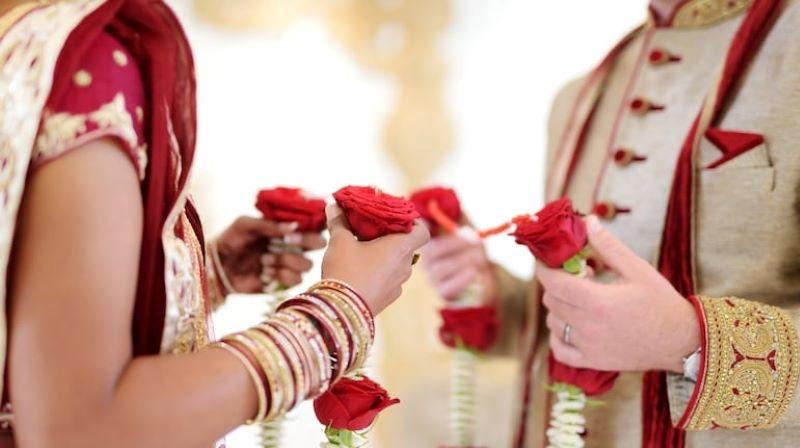
A recent report from LendingTree has revealed a concerning trend among newlyweds in 2025: the financial burden of weddings is pushing a growing number of couples into debt, with long-lasting effects on their relationships and financial stability. According to the survey, two-thirds of couples took on debt to fund their big day, and many are left with serious regrets after the festivities have ended.
The report paints a stark picture of modern weddings extravagant affairs often driven by societal pressure and social media expectations. While some managed to keep costs modest, the most common spending tier was between $30,000 and $45,000. Only a small fraction of couples managed to keep their celebration under $20,000. The average honeymoon alone cost around $6,260, making it the single largest expense for many couples. For some, that dream getaway was worth the splurge nearly a third of respondents called it the best money they spent. However, many other expenses didn’t feel as rewarding in hindsight.
Couples cited numerous reasons for overspending, with the most common being a desire to impress guests or meet perceived social standards. According to the survey:
Ironically, some of the most regretted expenses were those meant to "wow" the guests floral arrangements, elaborate venues, high-end catering, and entertainment topped the list. Social media influence and comparison culture also fueled spending beyond practical limits, with many couples admitting that they got swept up in the visual perfection portrayed online. Overall, 52% of newlyweds expressed regret over how they spent their wedding money equally divided between those who wished they had spent less and those who wished they had spent more. This statistic illustrates the fine line between joyful celebration and financial miscalculation.
Financial Tension: Wedding Costs Impacting Marriages
Beyond the financial hit, the report shows that wedding-related debt is taking a toll on relationships as well:
The stress caused by post-wedding debt often exacerbates underlying money management issues that existed before the ceremony. For some couples, the lavish celebration becomes a symbolic and financial tipping point.
Most couples funded their wedding through a combination of methods:
The report paints a stark picture of modern weddings extravagant affairs often driven by societal pressure and social media expectations. While some managed to keep costs modest, the most common spending tier was between $30,000 and $45,000. Only a small fraction of couples managed to keep their celebration under $20,000. The average honeymoon alone cost around $6,260, making it the single largest expense for many couples. For some, that dream getaway was worth the splurge nearly a third of respondents called it the best money they spent. However, many other expenses didn’t feel as rewarding in hindsight.
Couples cited numerous reasons for overspending, with the most common being a desire to impress guests or meet perceived social standards. According to the survey:
- 34% admitted they spent more than they were comfortable with to impress others
- 32% said they went entirely over budget
- Millennials were the most likely to overspend, at 36%
Ironically, some of the most regretted expenses were those meant to "wow" the guests floral arrangements, elaborate venues, high-end catering, and entertainment topped the list. Social media influence and comparison culture also fueled spending beyond practical limits, with many couples admitting that they got swept up in the visual perfection portrayed online. Overall, 52% of newlyweds expressed regret over how they spent their wedding money equally divided between those who wished they had spent less and those who wished they had spent more. This statistic illustrates the fine line between joyful celebration and financial miscalculation.
Financial Tension: Wedding Costs Impacting Marriages
Beyond the financial hit, the report shows that wedding-related debt is taking a toll on relationships as well:
- 53% of couples reported arguing about money either before or after the wedding
- 16% said financial stress led them to consider divorce
- Among those married less than a year, that number rose to 19%
The stress caused by post-wedding debt often exacerbates underlying money management issues that existed before the ceremony. For some couples, the lavish celebration becomes a symbolic and financial tipping point.
Most couples funded their wedding through a combination of methods:
- 46% dipped into personal savings
- 24% relied on credit cards
- 16% received financial help from family
- 11% took out personal loans