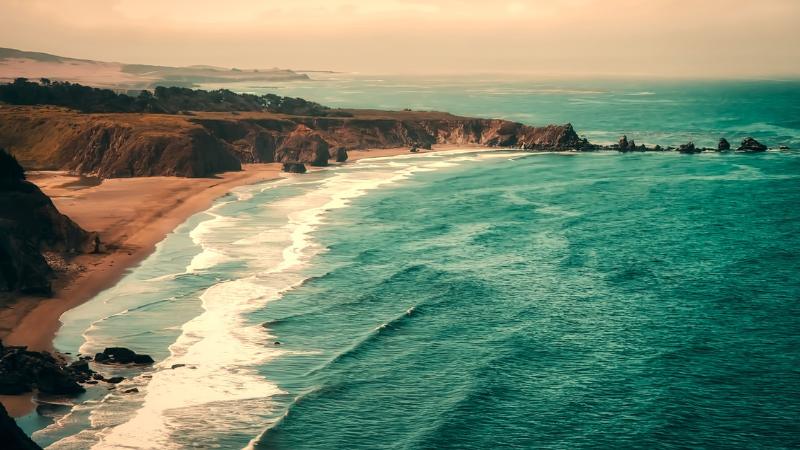
Researchers estimate there is a 15 percent chance of a magnitude 8.0 or greater earthquake occurring in this region within the next half-century. Such an event could cause land along the coastline to abruptly subside by as much as 6.5 feet, amplifying the destructive power of any resulting tsunami. The combination of sudden land movement and a powerful ocean surge could devastate low-lying areas, displacing communities, damaging infrastructure, and endangering lives.
The Cascadia Subduction Zone is a convergent boundary where the smaller Juan de Fuca Plate is slowly being forced beneath the larger North American Plate. This geological formation has the potential to unleash what are known as megathrust earthquakes, some of the most powerful seismic events recorded on Earth. Historical data and geological records suggest that the region has experienced several such events in the past, with the most recent major rupture occurring over 300 years ago.
Areas most at risk from a future event include Northern California, northern Oregon, and southern Washington. These states are situated close to the most volatile segments of the fault line and are expected to experience the most severe consequences of both seismic shaking and tsunami inundation. A sudden drop in land elevation could also allow waves to penetrate further inland than previously modeled, increasing the range and impact of the disaster.
Beyond the immediate Cascadia zone, Alaska and Hawaii are also considered vulnerable due to their proximity to active seismic zones and their history of tsunami impacts. Alaska, located in one of the world’s most tectonically active regions, has experienced significant earthquake and tsunami events in the past. Hawaii, though farther from the source, remains at risk from trans-Pacific tsunami waves that can result from large offshore earthquakes.
This study reinforces the pressing need for enhanced earthquake and tsunami preparedness across the western United States. While some coastal cities have made progress in developing early warning systems, updating infrastructure codes, and preparing emergency response protocols, others remain dangerously underprepared. Experts stress the urgency of educating the public on tsunami evacuation routes, investing in detection systems, and implementing stricter building regulations in vulnerable coastal zones.
Despite the long period of relative seismic calm along the Cascadia zone, the geological forces beneath the surface have not stopped. The threat remains very real, and time is a critical factor in ensuring that communities are ready to respond. With population density increasing in many coastal regions and infrastructure often ill-suited to withstand such extreme natural events, the consequences of inaction could be devastating.
As climate change continues to raise sea levels and intensify coastal flooding, the potential impact of a tsunami becomes even more severe. The combination of geological vulnerability and changing environmental conditions adds complexity to emergency planning but also highlights the importance of proactive risk mitigation strategies.
Decision-makers, emergency planners, and residents in the affected areas are being urged to heed these warnings and take necessary steps now. Comprehensive preparation, informed by current scientific research, could make the difference between catastrophe and resilience. With effective planning, community awareness, and technological investment, the devastating effects of a mega-tsunami might not be entirely avoidable, but they can be significantly reduced.