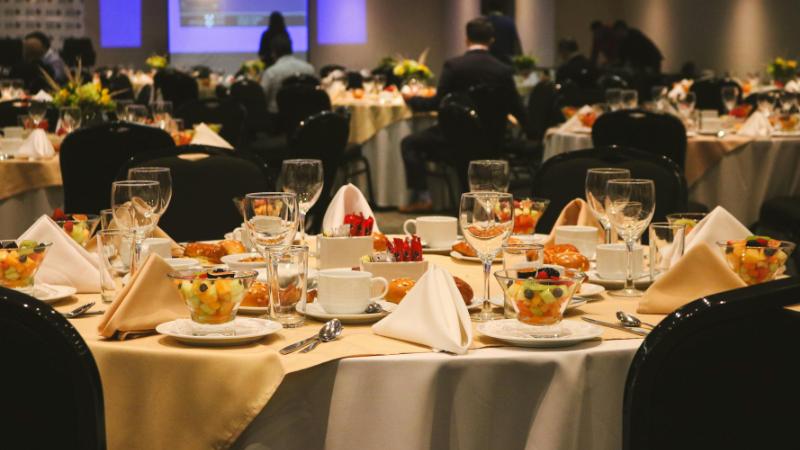
Sitting down at a formal dining table can feel like a test. From the way the table is set to the numerous types of forks, spoons, and knives, it's easy to feel overwhelmed. However, table manners are less about strict rules and more about showing respect and grace. Whether attending a wedding, business dinner, or high-end restaurant meal, understanding how to use each piece of cutlery correctly will boost your confidence.
A formal table setting is designed to accommodate multiple courses. Each utensil and plate is placed with purpose and care, and once you understand their role, you'll realize the system is quite logical. The core rule? Use your utensils from the outside in as each course is served.
Overview of Formal Table Setup
The setup usually consists of a dinner plate in the center, surrounded by different forks on the left, knives and spoons on the right, and various glasses positioned above the plate. A small bread plate may sit to the upper left, with a butter knife laid across it. The napkin is typically folded on the plate or to the left side. While it may look complicated at first, the arrangement serves the logical order of a multi-course meal.
Understanding Different Types of Cutlery
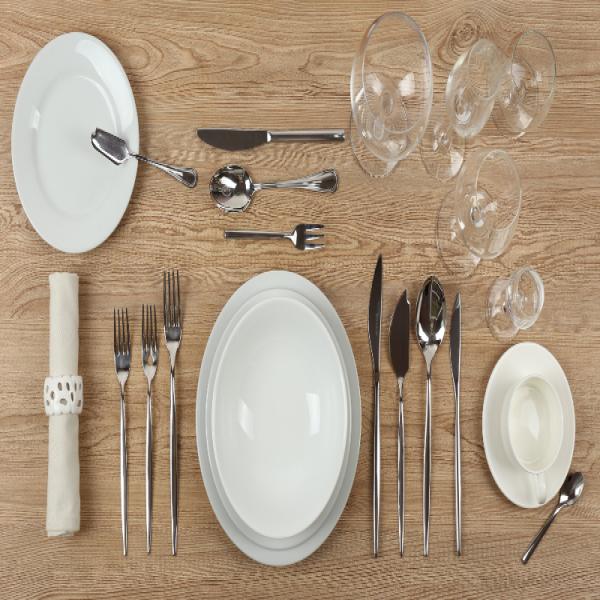
A formal meal can involve several specialized utensils. Knowing the difference between each type of fork, spoon, and knife can save you from confusion and enhance your dining experience.
Types of Forks
- Dinner Fork - The largest fork, used for the main course. It is usually placed closest to the plate on the left.
- Salad Fork - Slightly smaller than the dinner fork and placed to the left of the dinner fork. Used for salad or starters.
- Fish Fork - Often has a slightly wider left tine and is used for fish dishes. If served, it sits between the salad and dinner forks.
- Dessert Fork - A smaller fork used for eating cake or pastries. It may be brought out with dessert or placed horizontally above the plate.
- Oyster or Seafood Fork - A very small, narrow fork, typically with three tines, used for oysters, shrimp cocktail, or shellfish.
Types of Knives
- Dinner Knife - A standard knife used for cutting meats and main course items. It is placed to the immediate right of the plate.
- Salad Knife - A smaller knife used for cutting salad greens or starter vegetables. It may be placed on the outermost right.
- Fish Knife - Uniquely shaped with a curved, blunt edge that is designed to separate the delicate meat of the fish without tearing.
- Butter Knife - A small, dull-edged knife usually laid across the bread plate. It is used for spreading butter, not for cutting.
- Steak Knife - Often serrated and sharper than other knives, used for cutting steak or tougher meat dishes. May be provided only when steak is served.
- Dessert Knife --A smaller knife, sometimes used alongside the dessert fork. It can be brought with the dessert course or placed above the main plate.
Types of Spoons
- Soup Spoon - Larger and rounder than other spoons, designed for consuming soup. It’s placed farthest right of the knives.
- Dessert Spoon - A medium-sized spoon used for puddings, mousses, or custards. May be placed above the plate or brought out with dessert.
- Teaspoon - Smaller than a dessert spoon, commonly used for stirring tea or coffee and sometimes for eating light desserts.
- Coffee Spoon - Even smaller than a teaspoon, usually seen in high-end settings alongside espresso cups.
- Bouillon Spoon -Similar to a soup spoon but often shallower. Used for clear broths.
- Iced Tea Spoon - Long-handled spoon used in tall glasses, typically for stirring iced tea or layered drinks.
Proper Usage of Each Utensil
The order of utensil use generally follows the flow of courses. Start with the utensils farthest from the plate and work inward as dishes are served. For example, use the outermost fork for salad, then the next fork for the fish course, and the innermost for the main course. Similarly, the outermost spoon is for soup, while dessert utensils are placed horizontally above the plate or served later.
When using knives, cut one or two bites at a time, not the entire dish at once. Place your knife down gently after cutting and shift your fork to your dominant hand if needed. When finished eating, place the knife and fork parallel on the plate (usually at the 10:20 clock position) to signal you are done.
Glassware and Napkin Etiquette
To the top right of your plate, you’ll typically see multiple glasses. The water glass is usually the largest and closest. To its right may be a white wine glass (smaller bowl) and then a red wine glass (wider bowl). A champagne flute, if served, sits behind them. Always hold wine glasses by the stem to avoid warming the drink with your hand.
Unfold your napkin and place it on your lap when you sit. Use it gently to dab your mouth when needed. If you need to leave the table, place your napkin on your chair. When the meal is complete, loosely place it to the left of your plate.
Cultural and Social Awareness
While these rules are rooted in Western etiquette, the fundamental idea of showing respect through behavior is global. If you are attending an international event or dining with someone from a different culture, a quick search on specific etiquette for that culture is always a good idea.
Good table manners never go out of style. They make the dining experience more pleasant for everyone and reflect maturity and awareness. Whether you're at a business dinner, on a date, or simply enjoying a celebration, knowing how to use each fork, knife, and spoon can turn a stressful moment into a confident one.
Dining with Confidence and Grace
Formal dining is less about rigidity and more about ease and respect. By understanding the layout of a formal table and the purpose of each utensil, you can enjoy the meal and the company without second-guessing yourself. With practice, these skills become second nature, and you can focus on what truly matters—connection, conversation, and a memorable experience.