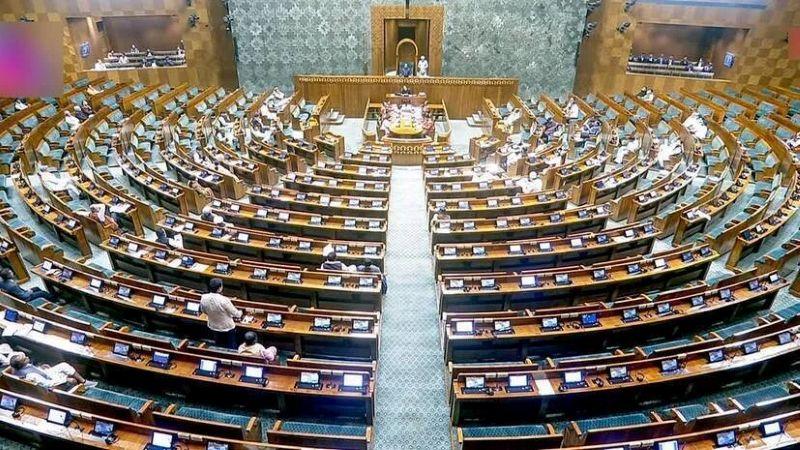
A new bill, set to be introduced in Parliament on Wednesday, proposes a landmark shift in the removal of elected representatives arrested on serious criminal charges. Under the proposed law, the Prime Minister, Union ministers, Chief Ministers, and ministers of Union Territories who are arrested and detained for 30 consecutive days will be required to resign by the 31st day, or they will automatically be removed from office.
The law aims to address elected officials who face serious criminal charges, including those accused of large-scale corruption or crimes punishable by at least five years in prison. The bill is part of a larger series of legislative changes, including the Government of Union Territories (Amendment) Bill 2025, the Constitution (One Hundred and Thirtieth Amendment) Bill 2025, and the Jammu and Kashmir Reorganisation (Amendment) Bill 2025. These bills will amend key sections of the Constitution, specifically Articles 75, 164, and 239AA, to facilitate such removals.
A Changing Political Landscape
This bill marks a significant shift in how India handles ministers facing serious allegations. While current protocol sees ministers step down voluntarily before arrest, there are exceptions, such as Delhi CM Arvind Kejriwal, who led the Delhi government for six months after his arrest over the excise policy case. The Opposition parties have yet to issue a formal response, though a meeting has been scheduled to discuss the proposed changes. Union Home Minister Amit Shah will present the motion in the Lok Sabha.