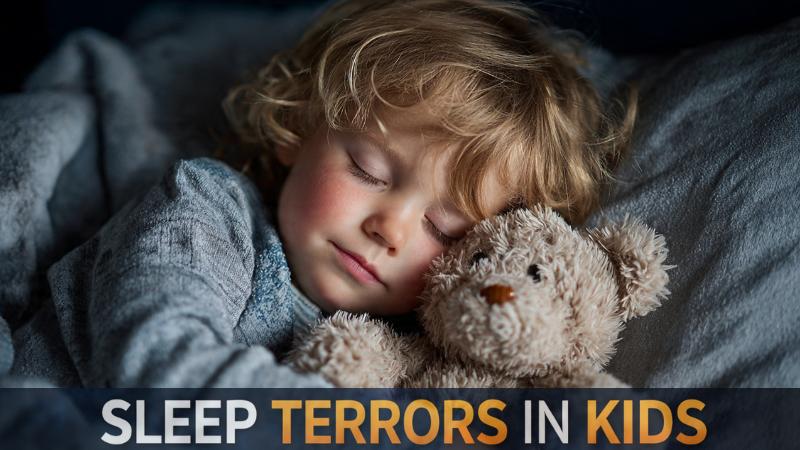
Sleep terrors in children can be deeply frightening for parents, especially when a child suddenly wakes up screaming, sweating, and appearing terrified while remaining unresponsive. These episodes often occur during deep sleep and can leave families confused and worried. However, medical experts emphasize that sleep terrors, also known as night terrors, are a common childhood sleep condition and are usually harmless. Understanding why they happen and how parents should respond can make these situations less stressful and safer for children.
Sleep terrors typically occur during deep non-REM sleep, usually within the first few hours after a child falls asleep. Unlike nightmares, which happen during REM sleep and are remembered, children experiencing sleep terrors are not fully awake and usually have no memory of the episode the next morning. During an episode, children may sit up suddenly, scream loudly, sweat excessively, breathe rapidly, or even walk around. Despite their intense reactions, they are not conscious in the normal sense and cannot respond to comfort or reassurance. Sleep terrors are most common in children between the ages of three and twelve, and most children naturally outgrow them as their brain and sleep patterns mature.
Sleep terrors are classified as a parasomnia, which refers to unusual behaviors during sleep. The most common trigger is sleep deprivation or overtiredness, which disrupts the normal sleep cycle. Other contributing factors may include irregular sleep schedules, stress, fever, illness, or major changes in routine. In many cases, sleep terrors occur when the brain is transitioning between deep sleep stages and wakefulness, causing confusion and physical reactions without full awareness.
Parents play a crucial role in managing sleep terrors safely. The most important step is to remain calm and avoid waking the child forcefully, as this can increase confusion and prolong the episode. Instead, parents should focus on ensuring the child’s safety by gently guiding them back to bed and removing any objects that could cause injury. Maintaining a consistent sleep schedule, ensuring the child gets enough rest, and creating a calm bedtime routine can significantly reduce the frequency of sleep terrors. One effective technique recommended by sleep specialists is the scheduled awakening method, where parents gently wake the child 15 to 30 minutes before the usual time of the episode for several nights. This helps reset the sleep cycle and can prevent future occurrences.
Although sleep terrors are generally harmless and temporary, parents should consult a pediatrician or sleep specialist if episodes occur very frequently, involve dangerous movements, or affect the child’s daytime behavior and overall well-being. In rare cases, sleep terrors may be associated with other sleep disorders such as sleepwalking or underlying medical conditions. Early guidance can help identify triggers and provide reassurance to families.
For most children, sleep terrors gradually disappear with age and do not cause long-term problems. With proper awareness, healthy sleep habits, and calm parental response, families can safely navigate these episodes and ensure their child’s well-being. Understanding sleep terrors helps parents replace fear with confidence, knowing that these nighttime events are usually a normal part of childhood development rather than a sign of serious illness.