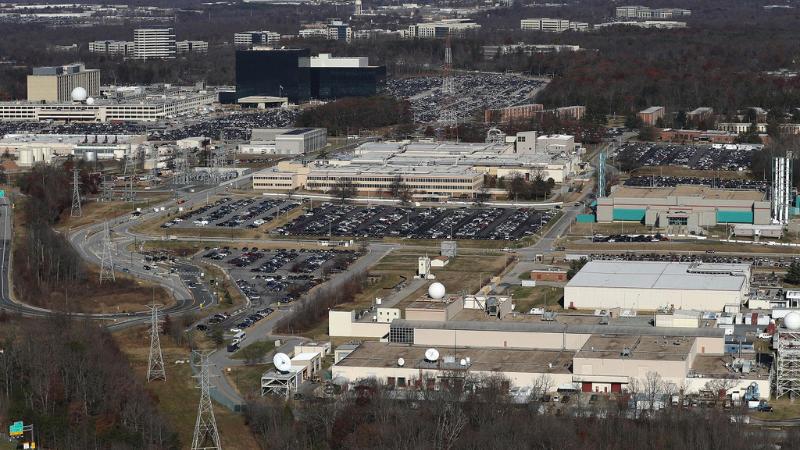
U.S. President Donald Trump on Saturday, April 27, 2026, signed a short-term measure extending a controversial surveillance program under Section 702 of the Foreign Intelligence Surveillance Act until April 30, preventing its imminent expiration while postponing a broader legislative showdown in Congress.
The temporary extension followed a late push in the Senate on Friday, April 26, 2026, just days before the authority was scheduled to lapse on Monday, April 29, 2026. The move highlights ongoing divisions among U.S. lawmakers over the future of the surveillance framework, which has long fueled debate between national security priorities and civil liberties protections.
Section 702 allows intelligence agencies such as the Central Intelligence Agency, National Security Agency, and Federal Bureau of Investigation to collect and analyze communications of non-U.S. persons located abroad without a warrant. However, the program can also incidentally gather communications involving Americans who are in contact with foreign targets, raising persistent privacy concerns.
Efforts to extend the authority have repeatedly stalled amid disagreements over oversight and reforms. The Trump administration and Republican leaders had advocated for an 18-month extension without major changes, while House Republicans proposed a longer five-year renewal with modifications aimed at addressing concerns from critics within their own ranks. Both proposals failed to gain sufficient support, prompting lawmakers to adopt a short-term solution.
Opponents of the program have called for stricter safeguards, including requirements for warrants before accessing Americans’ communications collected under the authority. Supporters argue the tool remains critical for tracking foreign threats and protecting national security.
Trump signed the extension without public comment, leaving the debate unresolved as lawmakers prepare for another round of negotiations ahead of the new April 30 deadline.