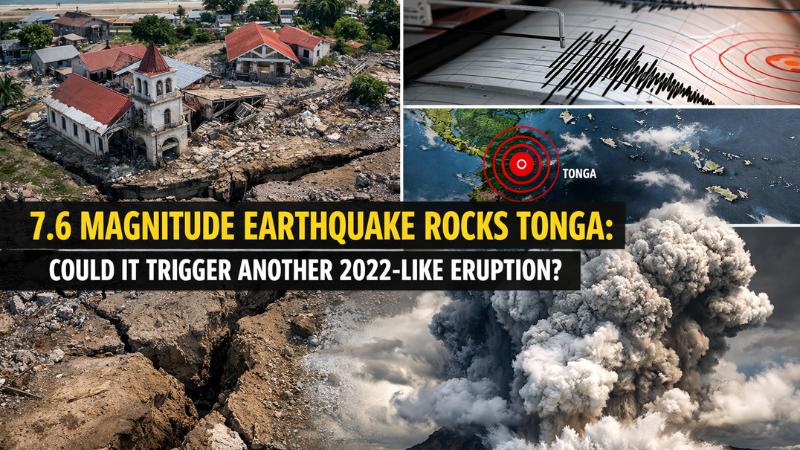
A powerful 7.6 magnitude earthquake recently struck near Tonga, located at a considerable depth of 238 km beneath the Earth’s surface. While the depth of the quake has reduced the immediate risk of damage or a tsunami, the event is still drawing attention from scientists, as it is part of an unsettling pattern of seismic activity in the region. The epicenter, located over 150 km from the town of Neiafu, lies along the Tonga Trench, one of the most tectonically active areas in the world.
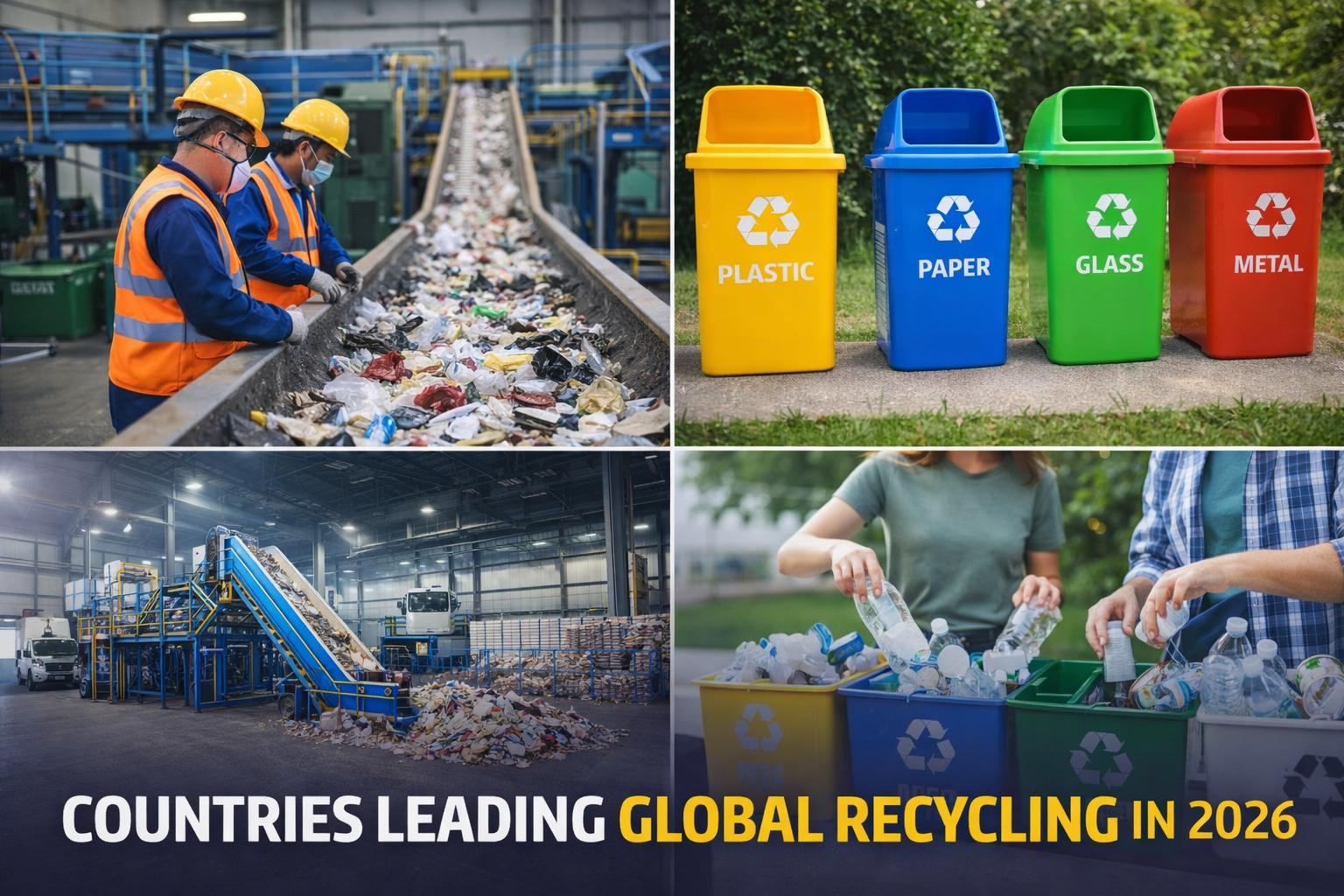
Recycling has become one of the most effective solutions to address the growing global waste crisis. As populations grow and consumption increases, the amount of waste generated worldwide has risen dramatically. Many countries still struggle with waste management due to limited infrastructure and poor segregation practices. However, a few nations have successfully developed highly efficient recycling systems that allow them to recover a significant portion of their waste instead of sending it