As the Indian diaspora continues to flourish across the United States, a remarkable cultural evolution is taking shape. Leading this transformation are second-generation NRIs—children of Indian immigrants who have been born or raised abroad. Unlike their parents, who often held tightly to the traditions of their homeland, these young individuals are approaching Indian culture from a fresh perspective. Rather than simply preserving customs as they were practiced in India, they are reinterpreting and reimagining them in ways that are relevant to their lives in a multicultural and globalized society.
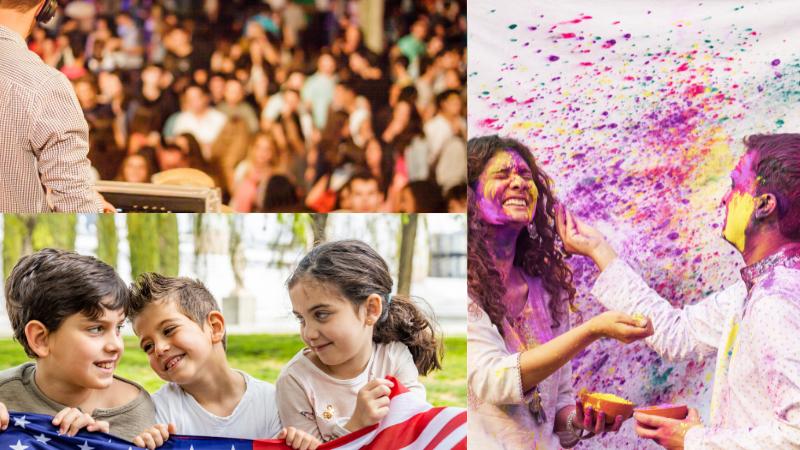
In community centers and university campuses across the country, Indian festivals like Diwali, Holi, and Navaratri are celebrated with unique twists that reflect a hybrid cultural reality. These events often blend traditional rituals with contemporary elements, such as LED lighting, fusion dance performances, bilingual emceeing, and curated playlists that mix Bollywood hits with American pop music. For many second-generation NRIs, these celebrations are not only a way to honor their heritage but also a way to introduce their culture to friends of different backgrounds. Social media plays a big role, turning traditional festivals into widely shared experiences that can be documented and enjoyed across platforms.
Food is another space where this cultural reinvention is thriving. While first-generation immigrants may have stuck closely to traditional recipes handed down over generations, younger NRIs are more experimental. Dishes like vegan butter chicken, quinoa upma, or air-fried samosas reflect a desire to eat healthy and sustainably while staying connected to Indian culinary roots. For some, cooking is not just about nourishment, but also a form of storytelling—an edible link to ancestry adapted for the contemporary kitchen.
Language is another dimension that highlights this blend of heritage and modernity. Though many second-gen NRIs are not fluent in their parents’ native languages, they often understand basic vocabulary and use popular phrases or terms in daily conversation. Some actively choose to study Hindi, Telugu, Tamil, or Punjabi through digital apps or community programs. In families where these languages were not passed down fluently, storytelling and films remain common mediums of cultural transmission.
The most significant transformation, however, may lie in how second-generation NRIs are challenging long-held social taboos. Topics like gender roles, mental health, LGBTQ+ rights, and interfaith relationships are approached more openly by younger NRIs than by many in the older generation. They are reshaping ideas about identity and inclusion, often combining Western ideals of self-expression and equity with a deep respect for Indian cultural roots. This has led to an emerging worldview where being Indian is not tied to rigid definitions but is instead a fluid and inclusive concept.
These youth are not rejecting their heritage—they are actively reconstructing it. They are comfortable attending a garba night in sneakers and jeans or meditating while listening to Indian classical ragas fused with lo-fi beats. Their weddings may include Sanskrit chants and DJ remixes in the same ceremony. Their fashion might pair a lehenga with sneakers or a kurta with a bomber jacket. In these seemingly small but symbolic choices, they are redefining what it means to be Indian in the 21st century.
In truth, second-generation NRIs are carving out a new identity—one that bridges continents, blends values, and builds community across cultures. Their version of Indian tradition is dynamic and evolving, not frozen in time. Through them, Indian culture is finding a vibrant, new voice in the global conversation.