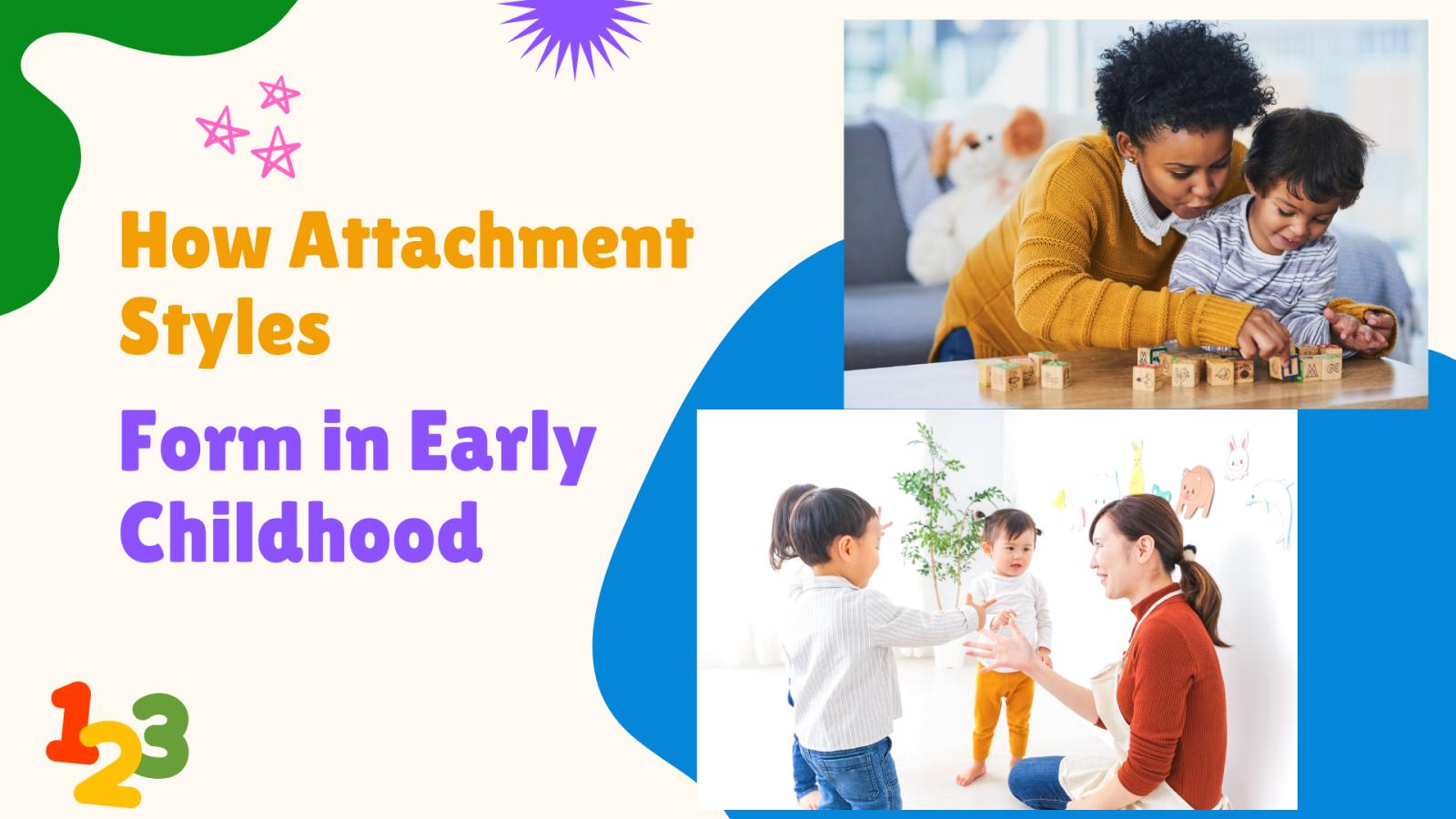
The bonds children form with their caregivers in the first years of life play a powerful role in shaping their emotional health, relationships, and sense of security. Psychologists call this process “attachment,” and it begins long before a child can talk. Understanding how attachment styles develop in early childhood helps parents and caregivers nurture stronger, healthier connections with their kids.
What Is Attachment?
Attachment is the emotional bond between a child and their caregiver. It gives children a sense of safety, comfort, and trust, which becomes the foundation for how they view relationships throughout life. Secure attachment allows children to explore the world knowing they can return to their caregiver for reassurance.
The Role of Consistency and Care
Children form attachment styles based on how consistently their needs are met. When caregivers respond with warmth, attention, and reliability, children feel secure. On the other hand, inconsistent or unresponsive caregiving can create uncertainty, leading to insecure attachment patterns.
Different Types of Attachment Styles
Psychologists identify four main attachment styles that often emerge in early childhood:
-
Secure Attachment – Formed when caregivers are responsive and nurturing, leading children to feel safe and confident.
-
Anxious Attachment – Develops when caregiving is inconsistent, making children clingy and uncertain.
-
Avoidant Attachment – Arises when children learn to suppress needs because caregivers are often distant or unresponsive.
-
Disorganized Attachment – Can result from fear or unpredictable caregiving, leading to confusion and difficulty trusting others.
Why Early Childhood Matters Most
The early years are critical because a child’s brain is rapidly developing. The experiences children have with caregivers directly influence how they manage stress, build trust, and regulate emotions later in life. Positive, supportive interactions during this stage create a strong emotional foundation.
How Parents and Caregivers Can Support Healthy Attachment
Simple everyday actions build strong bonds. Responding quickly to cries, offering comfort, maintaining routines, and showing affection all reassure children that they are safe and valued. Over time, these consistent interactions strengthen secure attachment and resilience.
Long-Term Impact of Attachment Styles
Attachment patterns formed in early childhood often carry into adulthood. Securely attached children typically grow into adults with healthier relationships and stronger emotional stability. Insecure attachment, if unaddressed, can sometimes lead to challenges in trust, communication, and self-esteem.
Building Bonds That Last
Attachment is not about being a perfect parent but about being a consistent, caring presence in a child’s life. By understanding how attachment styles form and responding with warmth and reliability, caregivers can help children grow into confident, emotionally secure individuals.