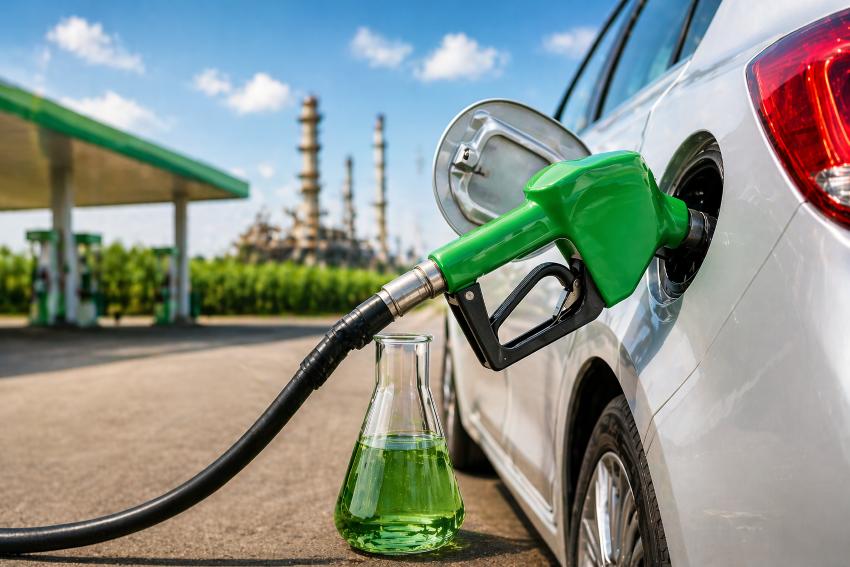
India may soon take a major step toward changing how vehicles are powered, with the government reportedly preparing draft rules for introducing E85 fuel. This new blend, made of up to 85% ethanol and 15% petrol, could significantly reduce the country’s dependence on imported crude oil and promote the use of domestically produced biofuel.
The move comes at a time when global oil markets remain unstable due to geopolitical tensions, including conflicts affecting major oil-producing regions. For a country like India, which imports nearly 90% of its crude oil needs, even small disruptions can lead to rising fuel prices and broader economic impact. Shifting toward ethanol-based fuels like E85 could help reduce this vulnerability and improve energy security in the long run.
Ethanol is primarily produced from agricultural sources such as sugarcane, maize, and other biomass. Increasing its use in fuel not only supports farmers but also promotes cleaner energy. Compared to traditional petrol, ethanol burns more cleanly, resulting in lower carbon emissions. This aligns with India’s broader goal of reducing pollution and moving toward more sustainable energy solutions.
However, the transition to E85 will not be immediate or simple. Vehicles currently on Indian roads are not designed to run on such high ethanol blends. Special flex-fuel vehicles (FFVs) that can handle varying ethanol-petrol mixtures will be required. Automobile manufacturers may need to adapt their engines, and fuel infrastructure across the country would also need upgrades to support widespread use of E85.
For consumers, the biggest question will be cost and compatibility. While ethanol can be cheaper than petrol, the initial shift may involve higher vehicle costs or limited availability of compatible models. Over time, as adoption increases and infrastructure improves, E85 could become a more accessible and cost-effective option.
If implemented effectively, E85 fuel could mark a turning point in India’s energy strategy. It has the potential to reduce import bills, support rural economies, and contribute to a cleaner environment. While challenges remain, the proposal signals a clear direction toward a more self-reliant and sustainable fuel future.