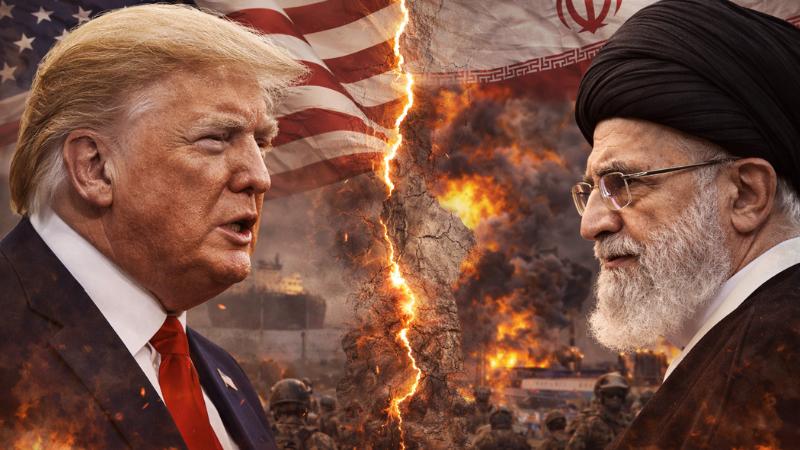
The ongoing conflict between the United States and Iran has reached a critical juncture, with efforts to negotiate a 45-day ceasefire pushing towards a narrow window for a breakthrough. Sources involved in the discussions reveal that while negotiations continue, the chances of a deal within the next 48 hours are slim. This ceasefire is seen as a last-ditch effort to avoid large-scale military strikes on Iranian infrastructure, which could trigger retaliatory attacks on vital energy and water facilities across the Gulf.
US President Donald Trump has imposed a deadline for Iran to reopen the Strait of Hormuz, crucial for global oil transport, by Tuesday evening. Failure to meet this demand would result in severe military action against Iran, including the potential destruction of the country’s power plants and other critical infrastructure. The talks have been mediated by Pakistan, Egypt, and Turkey, with behind-the-scenes efforts aimed at securing an initial ceasefire agreement. However, key issues such as Iran's control over Hormuz and its uranium stockpile remain unresolved, hindering progress towards a lasting peace agreement.
Iran, while engaging in negotiations, has shown deep skepticism regarding the ceasefire. Officials in Tehran have expressed concerns about being pressured into agreeing to terms that could weaken their strategic leverage. The Iranian leadership is particularly adamant about not repeating past experiences, like those in Gaza and Lebanon, where ceasefires failed to prevent further hostilities. Despite these challenges, the talks remain the best opportunity to avert a full-scale war that would have devastating consequences for the region.
The stakes are high as the potential failure of the ceasefire could ignite further conflict, drawing in regional powers and escalating violence. Iran's Revolutionary Guards have made it clear that the situation in the Strait of Hormuz will never return to pre-war conditions, particularly for the US and Israel. With the mediation window closing, the world watches closely to see if a fragile peace agreement can be reached or if the conflict will escalate into a broader war.