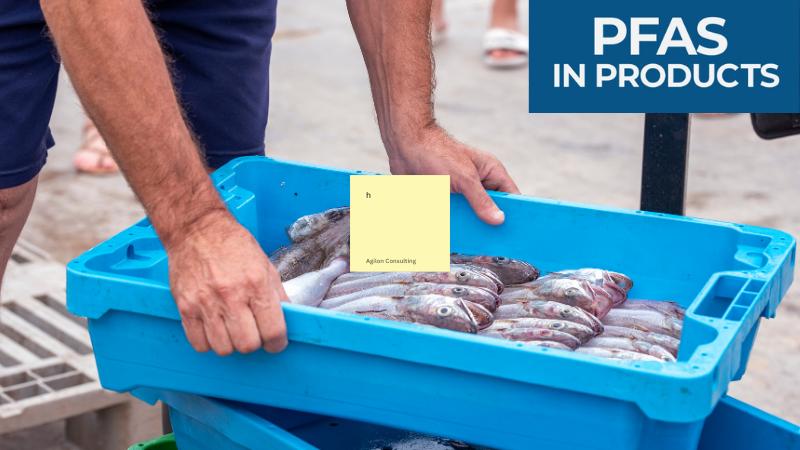
Fishing in the San Francisco Bay has long been a cultural and recreational tradition for local residents. However, new scientific findings have revealed a significant threat lurking beneath the surface. A comprehensive study has found that ten widely consumed fish species from the Bay are frequently contaminated with high levels of PFAS, a group of synthetic chemicals also known as “forever chemicals” due to their resistance to breaking down in the environment and their ability to accumulate in living organisms over time.
The research spanned a ten-year period and included analysis of nearly 100 fish samples, including species such as striped bass, white croaker, and shiner surfperch. Alarmingly, virtually all fish tested contained some level of PFAS. The South Bay region was identified as the most heavily impacted area, with over 80 percent of the fish there exceeding what some states consider safe for weekly consumption. Scientists believe this region’s low tidal circulation and high urban runoff contribute to the elevated contamination levels. Specific sites such as Coyote Creek, Redwood Creek, and Artesian Slough were among the most polluted.
Fish caught in the central and northern areas of the Bay, including those near Berkeley, Oakland, and the Carquinez Strait, had lower levels of contamination but were still concerning. Approximately one-third of those fish exceeded the health-based threshold for safe weekly consumption, based on an average meal of eight ounces of fillet without skin.
California currently lacks official safety limits or advisories for PFAS in fish. In this study, researchers used health guidelines from Massachusetts, which are among the most rigorous in the United States. PFAS refers to a large family of thousands of industrial chemicals commonly used to make products resistant to water, oil, and heat. These include nonstick cookware, stain-resistant fabrics, waterproof clothing, food packaging, and fire-suppressing foams. Because of their chemical structure, they are extremely stable and persist in the environment for generations.
The health implications of PFAS exposure are serious and well documented. Even in small amounts, PFAS can increase the risk of multiple cancers, disrupt thyroid function, cause fertility problems, delay development in children, and impair the immune system. Researchers have also identified elevated levels of a specific compound, 7:3 FTCA, in the Bay’s fish — a chemical not previously detected in marine species, now measurable due to advancements in testing.
PFAS contamination in the Bay is primarily attributed to urban runoff and wastewater discharge rather than direct pollution from chemical factories. In coastal regions like this, stormwater systems and municipal waste play a major role in introducing PFAS into the aquatic ecosystem. Everyday items from households and businesses containing PFAS eventually break down and wash into the water through these channels.
Although health authorities have not yet issued specific advisories for fish consumption based on PFAS contamination in the Bay, the study’s findings are expected to influence future policies. This research adds to the growing body of evidence that PFAS contamination is a widespread and persistent problem, one that can quietly affect food sources and public health.
What makes the issue more urgent is its disproportionate effect on certain communities. Indigenous peoples, Asian Americans, Pacific Islanders, and other culturally diverse groups who rely heavily on local fish for food are at increased risk of exposure. These communities often have deep-rooted ties to the Bay’s ecosystem, and fishing is both a tradition and a dietary necessity. Collaborative efforts are underway between scientists and local organizations to raise awareness and develop strategies to protect vulnerable populations.
The long-term consequences of PFAS accumulation are still being studied, but current data clearly point to serious multi-system health effects. As a result, the presence of these chemicals in a staple food source is cause for immediate concern and action. Preventative measures such as updated safety standards, public education, and reduced reliance on PFAS-laden products may be necessary steps toward protecting public health.
The findings make it evident that those fishing in the Bay — whether for sport, subsistence, or culture — may be unknowingly consuming harmful chemicals. In light of this, the need for enhanced monitoring, stricter environmental policies, and inclusive public health strategies has never been greater. Until then, many residents may be left with little choice but to reconsider what's on their plate and how safe it truly is.
The research spanned a ten-year period and included analysis of nearly 100 fish samples, including species such as striped bass, white croaker, and shiner surfperch. Alarmingly, virtually all fish tested contained some level of PFAS. The South Bay region was identified as the most heavily impacted area, with over 80 percent of the fish there exceeding what some states consider safe for weekly consumption. Scientists believe this region’s low tidal circulation and high urban runoff contribute to the elevated contamination levels. Specific sites such as Coyote Creek, Redwood Creek, and Artesian Slough were among the most polluted.
Fish caught in the central and northern areas of the Bay, including those near Berkeley, Oakland, and the Carquinez Strait, had lower levels of contamination but were still concerning. Approximately one-third of those fish exceeded the health-based threshold for safe weekly consumption, based on an average meal of eight ounces of fillet without skin.
California currently lacks official safety limits or advisories for PFAS in fish. In this study, researchers used health guidelines from Massachusetts, which are among the most rigorous in the United States. PFAS refers to a large family of thousands of industrial chemicals commonly used to make products resistant to water, oil, and heat. These include nonstick cookware, stain-resistant fabrics, waterproof clothing, food packaging, and fire-suppressing foams. Because of their chemical structure, they are extremely stable and persist in the environment for generations.
The health implications of PFAS exposure are serious and well documented. Even in small amounts, PFAS can increase the risk of multiple cancers, disrupt thyroid function, cause fertility problems, delay development in children, and impair the immune system. Researchers have also identified elevated levels of a specific compound, 7:3 FTCA, in the Bay’s fish — a chemical not previously detected in marine species, now measurable due to advancements in testing.
PFAS contamination in the Bay is primarily attributed to urban runoff and wastewater discharge rather than direct pollution from chemical factories. In coastal regions like this, stormwater systems and municipal waste play a major role in introducing PFAS into the aquatic ecosystem. Everyday items from households and businesses containing PFAS eventually break down and wash into the water through these channels.
Although health authorities have not yet issued specific advisories for fish consumption based on PFAS contamination in the Bay, the study’s findings are expected to influence future policies. This research adds to the growing body of evidence that PFAS contamination is a widespread and persistent problem, one that can quietly affect food sources and public health.
What makes the issue more urgent is its disproportionate effect on certain communities. Indigenous peoples, Asian Americans, Pacific Islanders, and other culturally diverse groups who rely heavily on local fish for food are at increased risk of exposure. These communities often have deep-rooted ties to the Bay’s ecosystem, and fishing is both a tradition and a dietary necessity. Collaborative efforts are underway between scientists and local organizations to raise awareness and develop strategies to protect vulnerable populations.
The long-term consequences of PFAS accumulation are still being studied, but current data clearly point to serious multi-system health effects. As a result, the presence of these chemicals in a staple food source is cause for immediate concern and action. Preventative measures such as updated safety standards, public education, and reduced reliance on PFAS-laden products may be necessary steps toward protecting public health.
The findings make it evident that those fishing in the Bay — whether for sport, subsistence, or culture — may be unknowingly consuming harmful chemicals. In light of this, the need for enhanced monitoring, stricter environmental policies, and inclusive public health strategies has never been greater. Until then, many residents may be left with little choice but to reconsider what's on their plate and how safe it truly is.