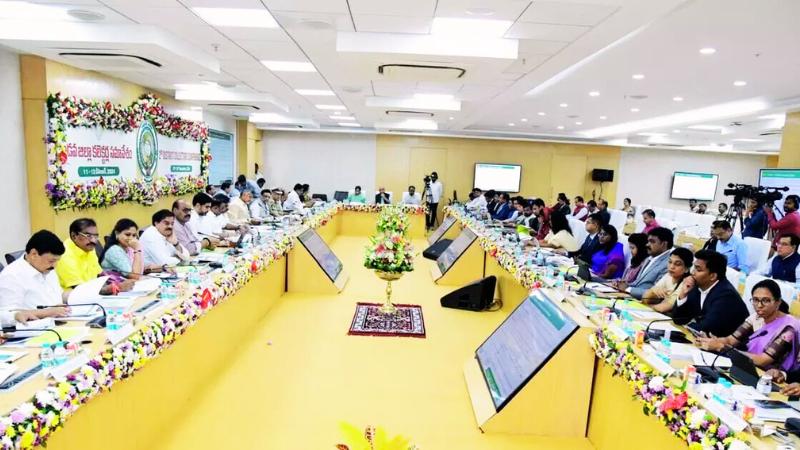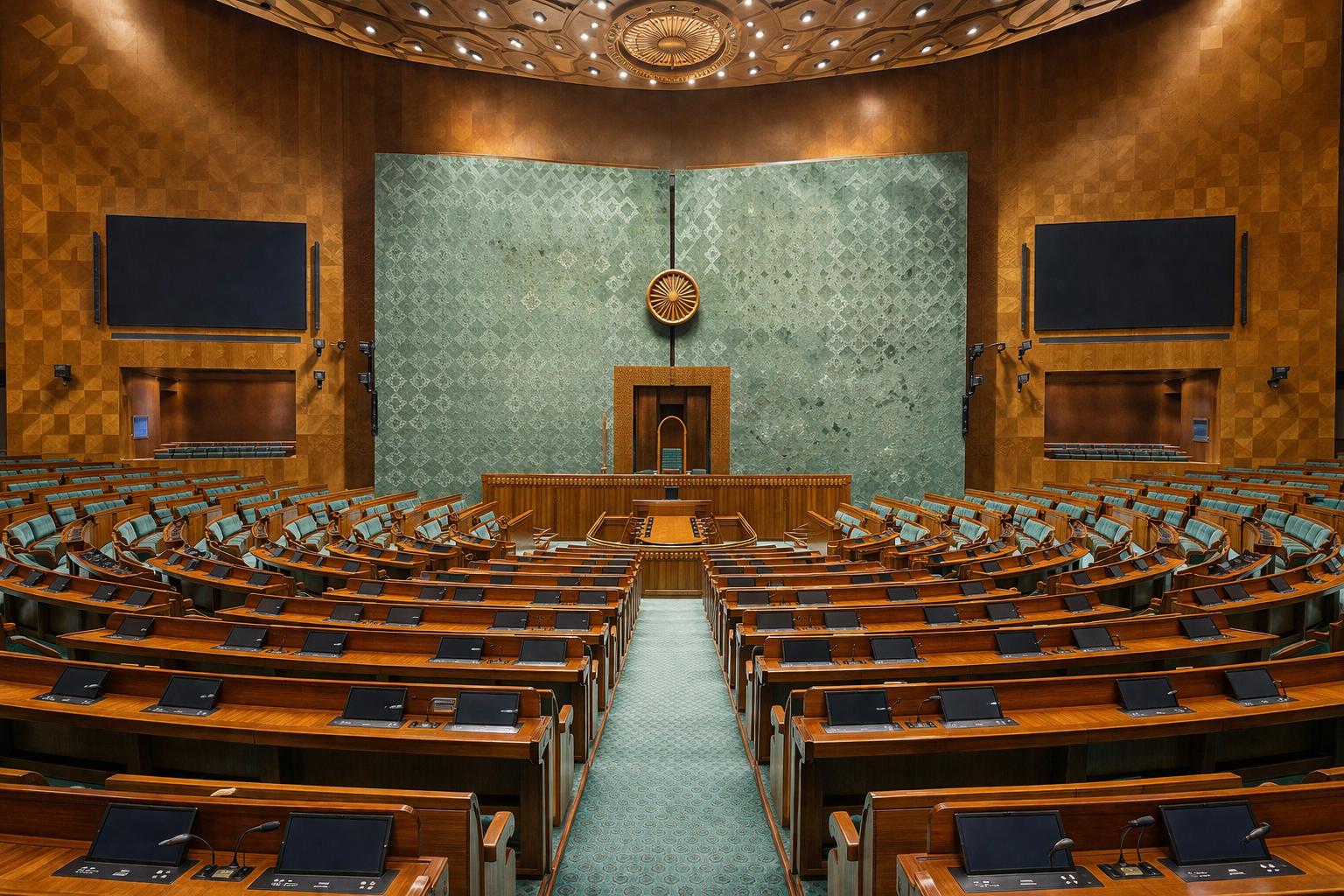
India’s Parliament witnessed intense exchanges and high political drama during the special session as debates around the delimitation bill and women’s reservation took centre stage. The discussions brought out sharp ideological differences between the ruling government and the Opposition, with leaders raising concerns about fairness, representation, and timing of reforms.
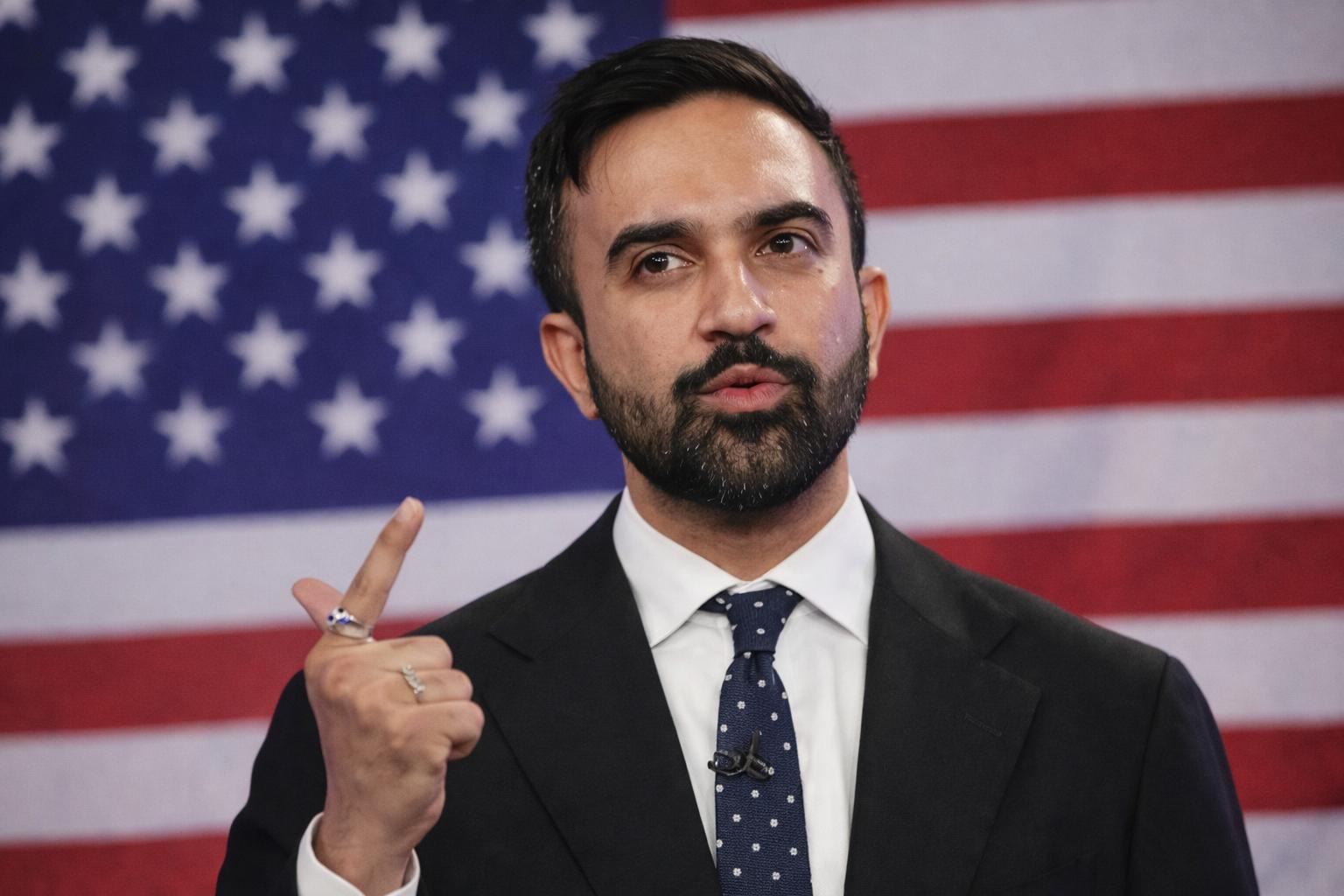
Congress leader Karti Chidambaram sparked fresh controversy by likening the delimitation exercise to an “insurance sales pitch,” suggesting that the government was presenting an attractive proposal without addressing deeper implications. His remarks reflected the growing unease among Opposition parties, who argue that the proposed changes could alter political balance and disproportionately impact certain regions.
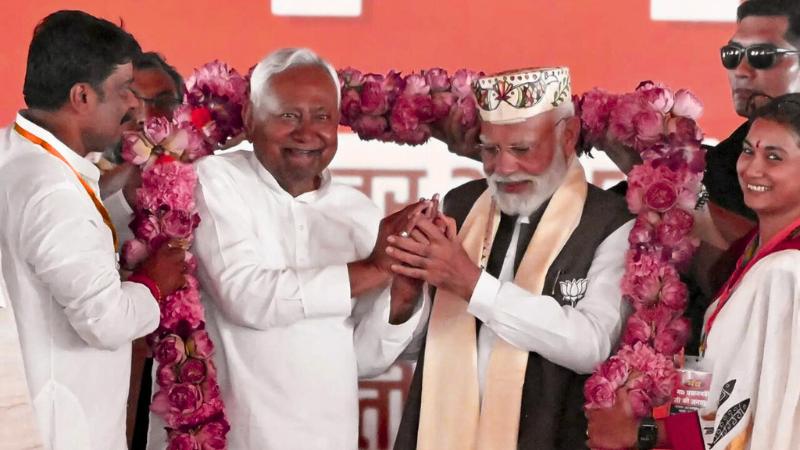
Prime Minister Narendra Modi defended the women’s reservation proposal, describing it as a long-pending democratic reform aimed at empowering women across the country. He assured Parliament that the process would be implemented in a fair and transparent manner, dismissing allegations of bias. Modi emphasized that the reform reflects the government’s commitment to inclusive governance and gender equality.
Home Minister Amit Shah elaborated on the proposed framework, indicating that the strength of the Lok Sabha could be expanded to around 850 seats following delimitation. He clarified that while proportional representation may shift due to population changes, no state would lose its existing number of seats. This assurance was aimed at addressing fears among southern and smaller states that they might be politically disadvantaged.
Opposition leaders, however, remained unconvinced. Congress General Secretary Priyanka Gandhi expressed support for the idea of 33 percent reservation for women but strongly criticized its linkage with delimitation. She questioned why the implementation was being tied to a future exercise rather than being executed immediately. Gandhi also demanded sub-quotas to ensure representation for marginalized communities, arguing that without them, the reform would remain incomplete.
Several Opposition members echoed concerns that the timing of the bill could be politically motivated, potentially influencing future electoral outcomes. They warned that combining delimitation with reservation could create regional imbalances and disrupt the federal structure. The debate highlighted long-standing tensions over population-based representation and its implications for states that have successfully controlled population growth.
The government reiterated that the reforms are designed to strengthen democracy and ensure equitable representation. Ministers stressed that delimitation is a constitutional requirement that cannot be indefinitely delayed and must reflect current demographic realities. They also argued that linking it with women’s reservation ensures a comprehensive restructuring of representation rather than piecemeal changes.
The session underscored the complexity of balancing democratic ideals with political realities. While there is broad agreement on the need to increase women’s participation in politics, the path to achieving it remains contested. As debates continue, the delimitation bill and women’s reservation proposal are expected to remain at the forefront of India’s political discourse, shaping narratives ahead of upcoming elections.
The developments from this Parliament session have once again highlighted the deep divides in Indian politics, with both sides presenting compelling arguments. As the legislative process moves forward, the outcome of these debates could have far-reaching consequences for the country’s political landscape and governance structure.