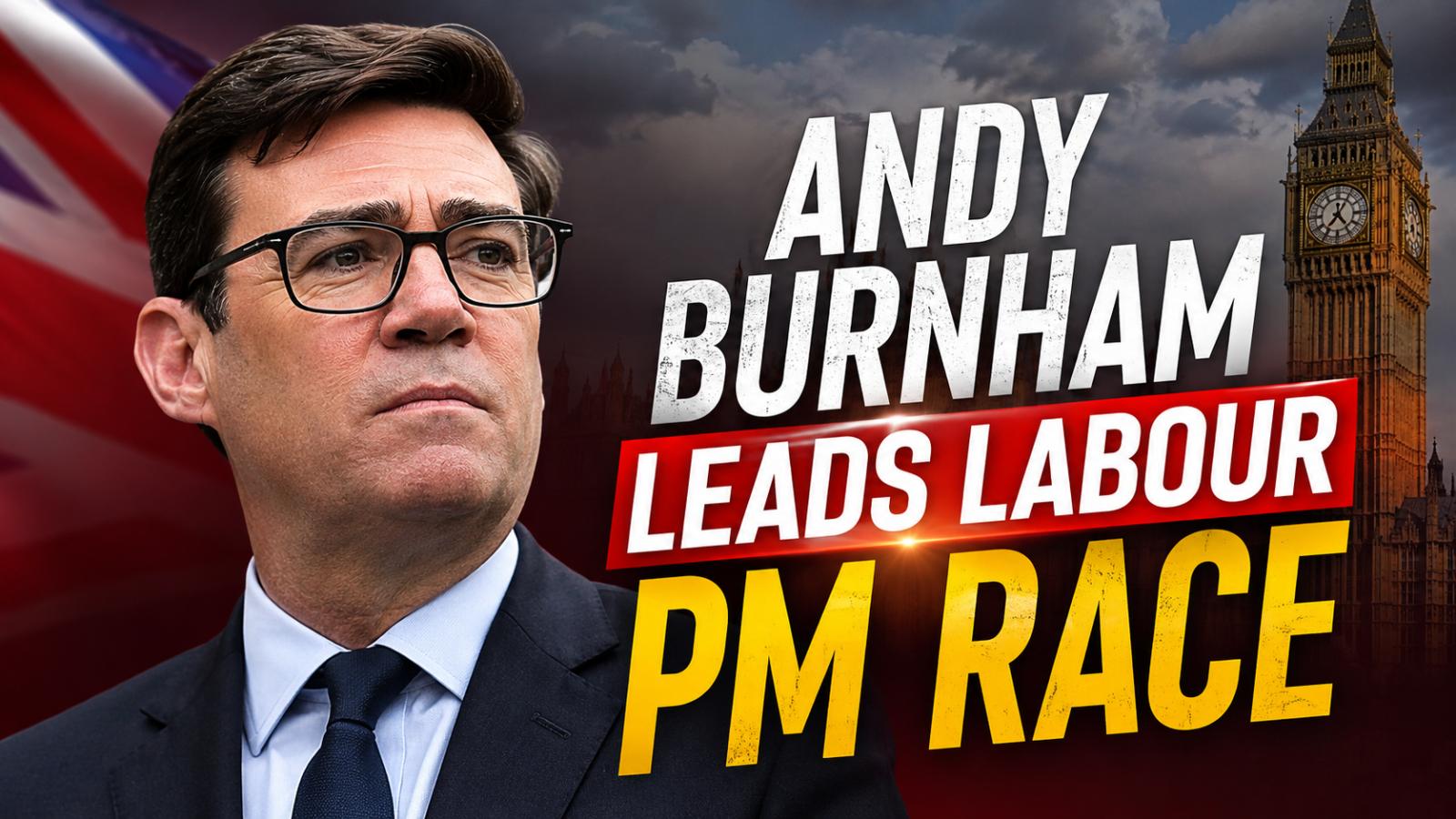
Andy Burnham has moved to the centre of Britain’s political debate after Keir Starmer announced that he would resign as Labour leader and step down as prime minister once a successor is chosen. Burnham’s return to Parliament through the Makerfield by-election has changed the mood inside Labour and made him one of the most closely watched figures in the race for No 10.
His victory came at a difficult time for the governing party. Labour has been facing pressure over public services, the economy, immigration, local election setbacks and the growing challenge from Reform UK. For many Labour MPs, Burnham’s win offered a possible reset at a moment when the party needed a stronger public message before the next general election.
Burnham’s return to Westminster
Burnham is not new to national politics. He served as MP for Leigh from 2001 to 2017 and held senior ministerial roles before becoming the first elected mayor of Greater Manchester. His years as mayor helped him build a political image outside Westminster, where he focused on transport, housing, homelessness and regional powers.
His move back to Parliament through Makerfield gives him a direct path into the Labour leadership contest. It also strengthens the argument from his supporters that he has experience in both national government and local leadership. However, his biggest test will be showing that popularity in northern England can be turned into a clear national programme.
Why he is called the King of the North ?
Burnham earned the nickname “King of the North” because of his strong public defence of northern England during battles with central government. His supporters see him as a leader who speaks plainly about regional inequality and public services. His work on Greater Manchester’s bus network and homelessness support helped create a practical, local-first image.
That image may help him in the Labour race, but it also creates pressure. Voters will expect more than slogans. Burnham will need detailed answers on the cost of living, the NHS, immigration, jobs, taxation and how he would rebuild trust in Labour after Starmer’s exit.
What happens next for Labour ?
Labour now faces a leadership process that could decide the next prime minister. Burnham is widely seen as a leading contender, but the race may still depend on support from Labour MPs, unions and party members. Other senior figures could enter the contest and challenge his claim to be the unity candidate.
For Burnham, the opportunity is clear but risky. If he can present himself as a credible national leader with a serious plan for Britain, he could move quickly toward Downing Street. If he fails to define his agenda, the momentum from Makerfield may fade just as fast as it arrived.