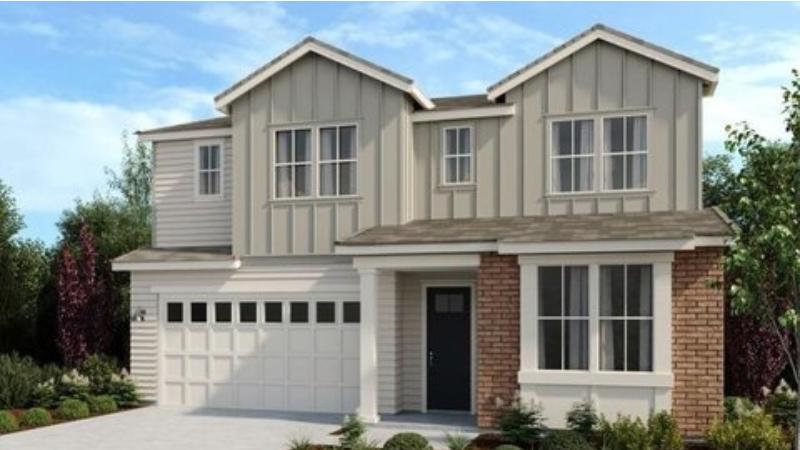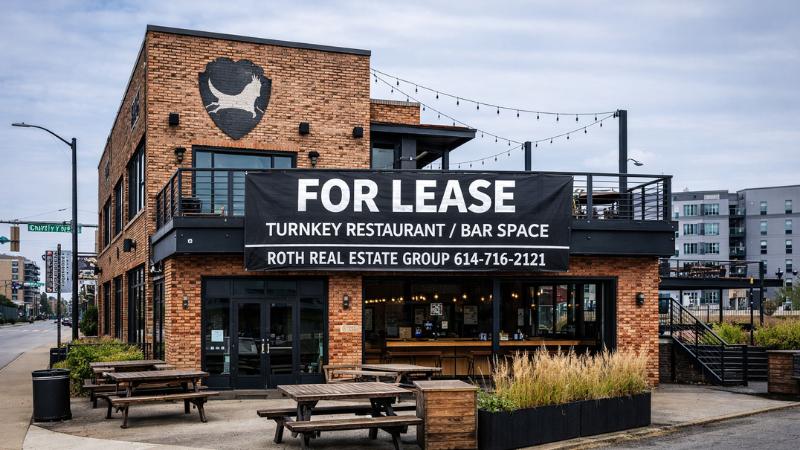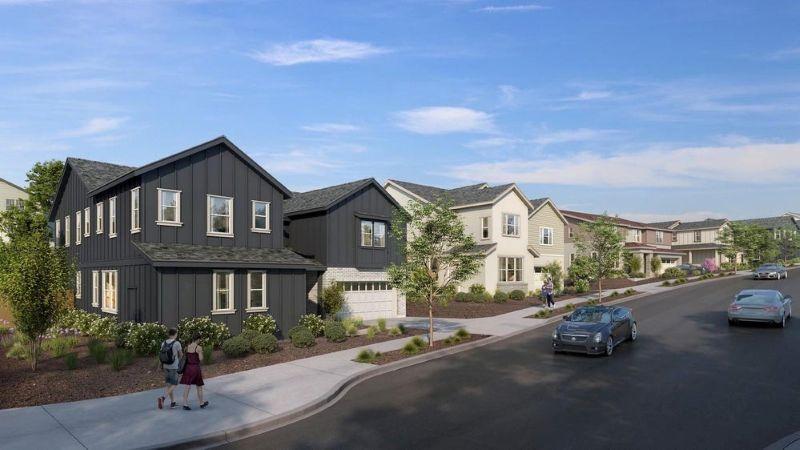
Sunnyvale residents are raising serious concerns as new housing developments threaten to displace grocery stores in their northern neighborhoods, pushing the area closer to becoming a food desert. The latest project, proposed by True Life Companies, aims to construct 101 townhomes at the current site of Lakewood Shopping Center—one of the few places offering accessible groceries in North Sunnyvale. This plan would result in the demolition of the New Wing Yuan Market, a vital grocery source for locals. While the developers have included a proposal for a 10,000-square-foot retail space in the new development, residents argue it is not nearly enough to meet the day-to-day needs of the neighborhood.
The balance between the city’s housing demand and the preservation of retail space has become a growing challenge. North Sunnyvale’s District 6 Councilmember Eileen Le acknowledged the difficulty in achieving both housing and retail goals, especially when land is limited and development pressure is high. The Lakewood Shopping Center site is one of seven identified in the city's village center plan, which encourages mixed-use buildings combining ground-floor retail with upper-floor residences. The city’s draft village center master plan, published on May 23, lays out new density guidelines, increasing the minimum residential density from 18 to up to 56 townhomes per acre. The Planning Commission is expected to review the proposal on June 16, with the City Council set to discuss it on July 1.
Despite the master plan’s intentions to preserve retail activity within village centers, most of the development proposals received so far lean heavily toward residential construction with little to no space allocated for businesses. Examples include the approved village center at Fremont Corners and the ongoing plans for Fair Oaks Plaza. In March, the city council approved an incentive-based approach allowing developers to reduce their affordable housing quotas if they commit to providing more retail space. However, this policy has yet to yield substantial retail preservation.
Residents in neighborhoods such as San Miguel, adjacent to Fair Oaks Plaza, are increasingly mobilizing to save their local shopping centers. Christina O’Guinn, a resident for over 27 years, said she frequently shops at the Taj Mahal Fresh Market, located within Fair Oaks Plaza, which is now slated for demolition to make way for 81 townhomes. The most recent proposal for this site offers no commercial space, effectively eliminating the last convenient grocery option for many nearby residents.
With only one large grocery store—Lucky’s Supermarket—remaining north of the Caltrain tracks, locals are concerned about further erosion of essential services. That shopping center is also under threat of redevelopment, prompting community members to act. O’Guinn and other residents have launched a petition demanding an exemption from Senate Bill 330, a state law that streamlines affordable housing development, in order to protect the Lakewood and Fair Oaks sites. The petition calls on city officials to prevent further displacement of essential grocery outlets and preserve the existing community infrastructure.
O’Guinn stressed that the core issue is livability. While acknowledging the need for more housing, she said developments should not come at the cost of fundamental amenities like food access. “The developers are not really thinking about the livability for the people, for the residents. They’re not thinking about the long term,” she said. “If you’re a resident, you don’t want to live in a neighborhood that’s just housing.”
As Sunnyvale continues to grapple with its housing goals, the conflict between building homes and preserving basic services intensifies. Whether city officials will adjust their plans to accommodate community concerns remains to be seen, but the growing unrest in North Sunnyvale signals a demand for more balanced urban planning that doesn’t sacrifice grocery stores and neighborhood sustainability for rooftops.