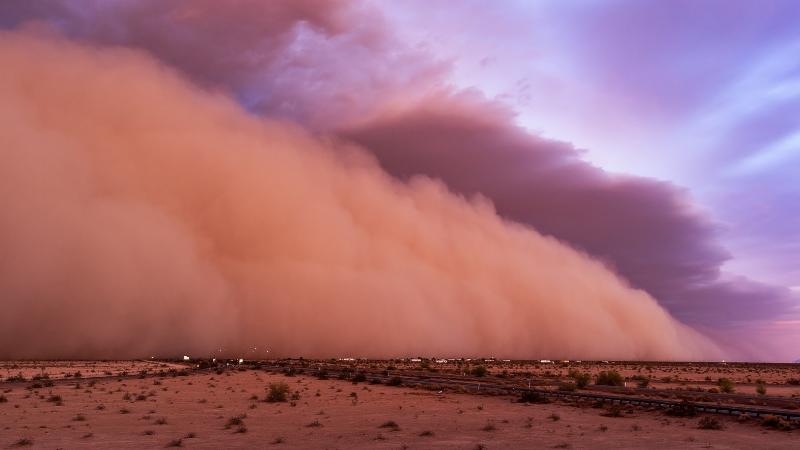
The 2025 Atlantic hurricane season has officially begun, but Florida has experienced an unusual stretch of dry weather as the state momentarily steps away from its typical early summer rain pattern. The primary cause of this unexpected dryness is a massive Saharan dust plume that drifted across the Atlantic Ocean and settled high above Florida last week. Traveling an astonishing 5,000 miles from Africa, the dust plume was large enough to be observed from space and has temporarily disrupted Florida’s seasonal rainfall.
According to meteorologists, this particular dust event is not entirely rare but stands out due to its scale. Scientists classify it as a “grand-scale haboob,” comparable in size to the contiguous 48 states of the US. Such haboobs are massive dust storms that frequently form in desert environments and occasionally make their way across oceans. The current plume is suspended between 10,000 and 20,000 feet in the atmosphere, blanketing the southeastern United States with dry, dusty air.
While the visual spectacle of a dust storm spanning continents may appear alarming, local experts assure residents that this is a seasonal occurrence. Some years bring more dust transport from the Sahara than others. Meteorologists note that the presence of these dust layers often suppresses storm activity, which is a double-edged sword: fewer immediate weather hazards, but also a disruption of the expected summer weather pattern.
One of the more visible side effects for residents is the change in the sky’s appearance. The fine dust particles scatter sunlight differently, leading to more vivid sunrises and sunsets. Skies can take on a milky or hazy appearance during the day, and the air quality may temporarily decline, especially for those with respiratory issues. Although these dust storms won’t damage homes like hurricanes or tornadoes, they can lead to irritation in the eyes, throat, and lungs, particularly among vulnerable populations.
When a dust storm arrives, it often presents itself as a dark wall on the horizon. While it may not possess the force to topple structures, the wind can whip dust into the air, making visibility extremely poor and prompting health advisories. Staying indoors during the densest periods is recommended, especially for the elderly, children, and individuals with asthma or other respiratory conditions.
As the Saharan air layer lingers, it is expected to slowly give way to the more familiar tropical air masses that define Florida summers. Moisture from the sea breeze is expected to return soon, gradually increasing the chances of rainfall and thunderstorm activity across the state. The transition is already underway, with meteorologists forecasting increased storm chances from Tuesday onwards. Early morning hours may bring isolated downpours, followed by more widespread storm development through the afternoons.
Weather models predict that major cities such as Tampa, Orlando, and Jacksonville will begin to experience more regular summer weather patterns. Temperatures are expected to remain around 91 degrees Fahrenheit, with rising humidity and periodic rain showers. Miami, on the other hand, may escape most of the incoming storms for now, though some short-lived showers are likely during the work week.
Despite the delayed arrival of the wet season, Florida’s residents should be prepared for a quick return to the state’s characteristic summer weather. The lingering effects of the dust plume will diminish in the coming days as the atmosphere rehydrates and normal weather patterns resume. This atmospheric event serves as a reminder of how interconnected the Earth’s weather systems truly are, with African desert winds influencing weather thousands of miles away.
As Florida shifts back into its typical rhythm, meteorologists and weather experts continue to monitor the season’s progress, watching both the skies and the ocean for signs of storm development. While the Saharan dust may have delayed the onset of summer rains, it has also bought a brief period of calm before the height of hurricane season begins.