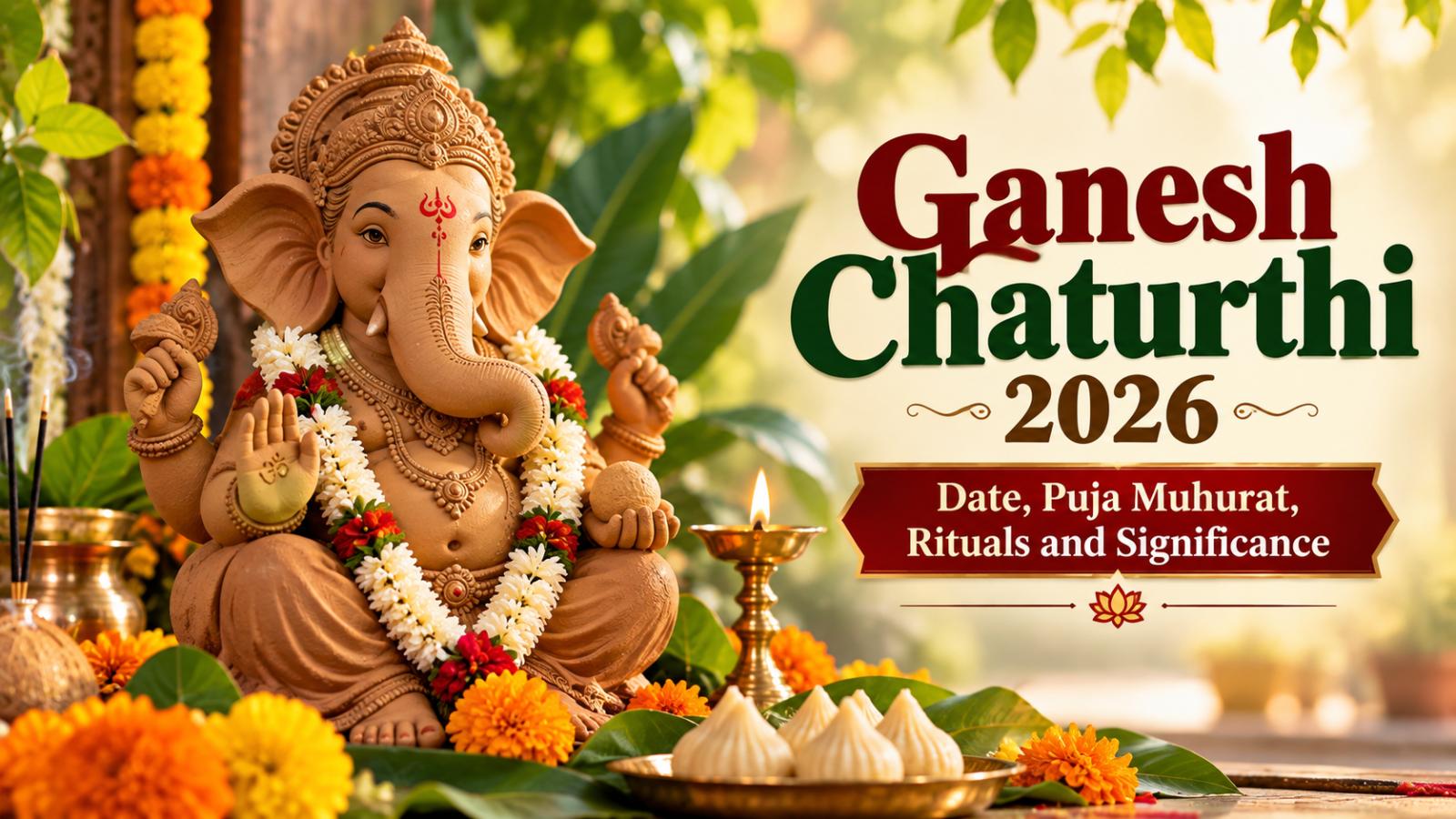
Ganesh Chaturthi, also known as Vinayaka Chaturthi, is one of the most important Hindu festivals dedicated to Lord Ganesha. The elephant-headed deity is traditionally worshipped as the remover of obstacles and the lord of wisdom, prosperity and new beginnings.
In 2026, Ganesh Chaturthi will be celebrated on Monday, September 14. The festival falls on Shukla Paksha Chaturthi in the Hindu month of Bhadrapada. Devotees welcome Lord Ganesha into their homes and community pandals, perform Ganesh Sthapana and puja, prepare traditional offerings such as modaks and participate in bhajans and aarti before the celebrations conclude with Ganesh Visarjan.
Ganesh Chaturthi 2026 Date, Puja Muhurat and USA Timings
According to the India-based Panchang timings used for this article, Madhyahna Ganesha Puja is observed between 11:08 AM and 1:36 PM IST on September 14, giving devotees a puja window of 2 hours and 28 minutes.
| Ganesh Chaturthi Event | India – IST | US Eastern – EDT | US Central – CDT | California – PDT |
|---|---|---|---|---|
| Chaturthi Tithi Begins | Sep 14, 7:06 AM | Sep 13, 9:36 PM | Sep 13, 8:36 PM | Sep 13, 6:36 PM |
| Madhyahna Puja Begins | Sep 14, 11:08 AM | Sep 14, 1:38 AM | Sep 14, 12:38 AM | Sep 13, 10:38 PM |
| Madhyahna Puja Ends | Sep 14, 1:36 PM | Sep 14, 4:06 AM | Sep 14, 3:06 AM | Sep 14, 1:06 AM |
| Chaturthi Tithi Ends | Sep 15, 7:44 AM | Sep 14, 10:14 PM | Sep 14, 9:14 PM | Sep 14, 7:14 PM |
| Avoid Moon Sighting Begins | Sep 14, 8:59 AM | Sep 13, 11:29 PM | Sep 13, 10:29 PM | Sep 13, 8:29 PM |
| Avoid Moon Sighting Ends | Sep 14, 8:23 PM | Sep 14, 10:53 AM | Sep 14, 9:53 AM | Sep 14, 7:53 AM |
Ganesh Chaturthi Puja Vidhi and Important Rituals
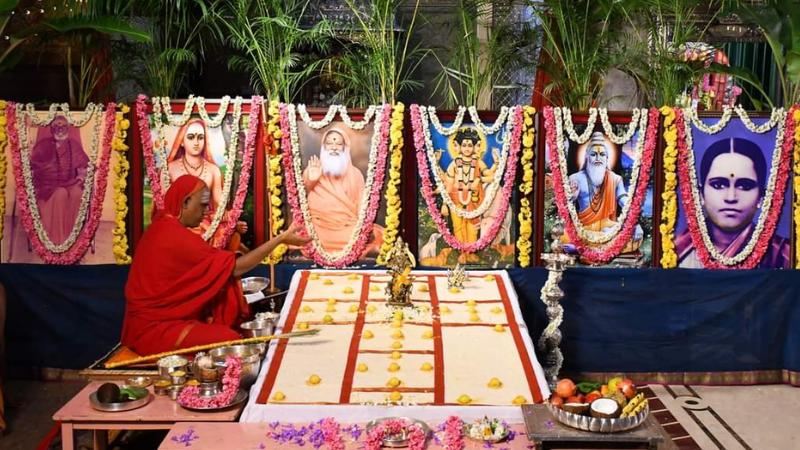
Devotees generally begin Ganesh Chaturthi by cleaning their homes and puja areas. A Lord Ganesha idol is placed on a decorated raised platform or chowki for Ganesh Sthapana.
The puja begins by invoking Lord Ganesha through prayers and mantras. The deity may then be offered water, flowers, akshat, sandalwood paste, incense and a lighted diya. Some families ceremonially bathe the idol with water and Panchamrit before dressing and decorating it.
Durva grass holds special significance in Ganesha worship and is commonly offered along with flowers. Modak is traditionally considered one of Lord Ganesha's favorite foods, and many devotees prepare it as prasad. Some traditions include an offering of 21 modaks and 21 Durva offerings.
After the main offerings, devotees perform Ganesh Aarti and Pushpanjali and pray for wisdom, prosperity, good health, success and freedom from obstacles.
Families that keep a Ganesha idol at home for several days generally perform morning and evening aarti until Visarjan. The duration of worship varies according to family and regional traditions.
Why Ganesh Chaturthi Is Celebrated and Its Significance
Ganesh Chaturthi commemorates the birth of Lord Ganesha, the son of Lord Shiva and Goddess Parvati according to Hindu mythology.
One of the most widely known legends says Goddess Parvati created Ganesha and asked him to guard the entrance while she was inside. Lord Shiva later returned, but Ganesha, unaware of his identity, refused to allow him to enter.
A confrontation followed, during which Ganesha was beheaded. Goddess Parvati was devastated by the loss of her son. Lord Shiva then promised to restore Ganesha to life, and an elephant's head was placed on his body.
Ganesha was subsequently revived and became revered as Vighnaharta, the remover of obstacles.
Lord Ganesha is traditionally worshipped before starting important activities such as a new business, education, marriage, journey, property purchase or other significant undertaking. Ganesh Chaturthi therefore symbolizes wisdom, prosperity, positive beginnings and the overcoming of difficulties.
Ganesh Chaturthi Celebrations, Traditions and Visarjan
Ganesh Chaturthi is celebrated on a grand scale across India, particularly in Maharashtra, while major celebrations are also held in Karnataka, Telangana, Andhra Pradesh, Gujarat, Goa, Odisha, Uttar Pradesh, Chhattisgarh, West Bengal and several other regions.
Homes and public pandals install decorated Ganesha idols, while communities organize bhajans, cultural programmes, devotional music, aarti and festive gatherings.
The celebrations eventually conclude with Ganesh Visarjan. Devotees carry the idol in a procession, offer final prayers and bid farewell to Lord Ganesha with the hope of welcoming him again the following year.
Eco-friendly celebrations have become increasingly popular. Many devotees now choose natural clay idols and use artificial immersion tanks, buckets or specially prepared water pits instead of immersing idols directly in rivers and lakes.
Ganesh Chaturthi ultimately represents devotion, wisdom, prosperity, new beginnings and the belief that obstacles can be overcome through faith, discipline and right action.
Note: Ganesh Chaturthi rituals, Panchang calculations and Muhurat timings can vary by city, tradition and local sunrise. Devotees may consult a trusted local Panchang or temple for location-specific timings.