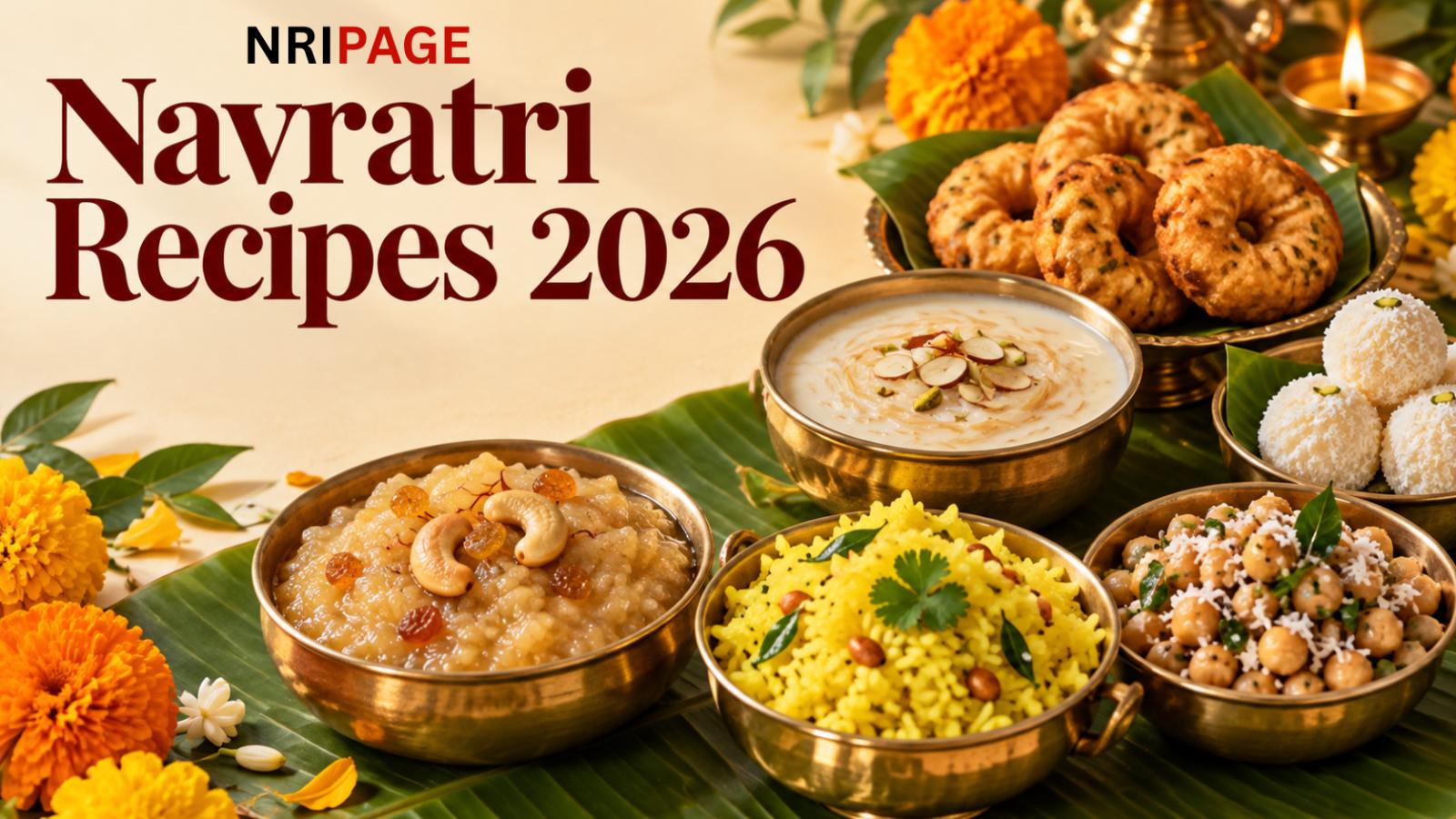
Preparing prasadam is an important part of Navratri celebrations in many households. Freshly cooked rice dishes, traditional sweets and nourishing sundal varieties bring variety to daily offerings while giving families an opportunity to share food with relatives and visitors.
The recipe collection by Chitra provides separate menu ideas inspired by Tamil Nadu and Andhra cooking traditions. These suggestions can help families organise their festival kitchens, but they are not a compulsory religious schedule or an official temple menu. Households can follow their customary offerings and adapt the dishes to available ingredients.
Navratri 2026: India and USA Dates, Timings, Colours and Goddess Forms
Prasadam Menu: Nine Days of South Indian Offerings
South Indian Navratri offerings often include a rice preparation or sweet in the morning and a sundal variety later in the day. Sundal uses cooked legumes or lentils, making it a convenient dish to prepare and share.
The supplied collection recommends offerings prepared without onion and garlic. Its suggested combinations include familiar dishes such as ven pongal, tamarind rice, coconut rice and payasam.
| Day | Suggested Morning Prasadam | Suggested Evening Offering |
|---|---|---|
| 1 | Ven pongal | Green gram sundal |
| 2 | Tamarind rice and rava kesari | Cowpea sundal |
| 3 | Sweet pongal or pepper rice | Peanut sundal |
| 4 | Kadamba sadam and sweet appam | Peas sundal |
| 5 | Curd rice and rice payasam | Rajma or field bean sundal |
| 6 | Coconut rice and rava ladoo | Moong dal sundal |
| 7 | Lemon rice and raw rice idli | Chana dal sundal |
| 8 | Milk rice and coconut burfi | Mixed-legume sundal |
| 9 | Akkaravadisal and medhu vadai | Black chickpea sundal |
Families need not prepare every dish listed. Selecting one morning offering and one evening preparation can create a manageable daily menu.
Andhra Menu: Traditional Sweets and Rice Dishes
Andhra prasadam combines rice dishes, jaggery-based sweets, milk preparations and festive favourites such as boorelu and garelu. The following menu offers ideas for each cooking day rather than assigning dishes to specific temple alankarams.
| Day | Suggested Andhra Prasadam |
|---|---|
| 1 | Chalimidi, vada pappu and paramannam |
| 2 | Sweet boondi and chickpeas |
| 3 | Rava kesari and pulihora |
| 4 | Pongali |
| 5 | Pulihora and pesara boorelu |
| 6 | Atukulu, jaggery, chana dal and coconut |
| 7 | Ksheerannam |
| 8 | Garelu |
| 9 | Chakkara pongali |
| Vijayadashami | Pulihora and garelu |
Pulihora is a practical choice for families preparing food for several visitors, while paramannam and chakkara pongali provide traditional sweet options. Follow your household’s preferred recipes and customary ingredients when preparing these offerings.
Navratri Puja Samagri List 2026: Home Worship Checklist
Puja Prep: Make Festival Cooking Easier
Planning ingredients before the celebrations can reduce daily kitchen work. Check supplies of rice, lentils, jaggery, coconut and spices, and identify legumes that require soaking ahead of cooking.
Useful preparation steps include:
- Choose dishes according to household size and expected visitors.
- Plan soaking times for chickpeas, rajma and other dried legumes.
- Purchase fresh milk, fruit and coconut according to the menu.
- Alternate elaborate sweets with simpler rice dishes and sundal.
- Check whether guests have food allergies or follow particular fasting rules.
A flexible menu makes it easier to prepare fresh offerings without placing unnecessary pressure on the household.
Food Customs: Prasadam and Fasting Meals Can Differ
Navratri food practices vary between regions and families. Rice, lentils and legumes feature prominently in the supplied South Indian menus. North Indian fasting traditions may instead use ingredients such as sabudana, buckwheat flour and rock salt.
A prasadam dish is therefore not automatically suitable for every person observing a fast. Confirm the ingredients and follow your family’s religious practice when selecting recipes.
The numbered menus above are cooking guides. Dates for Ashtami, Navami, Saraswati Puja and concluding rituals should be checked separately with your local religious calendar.