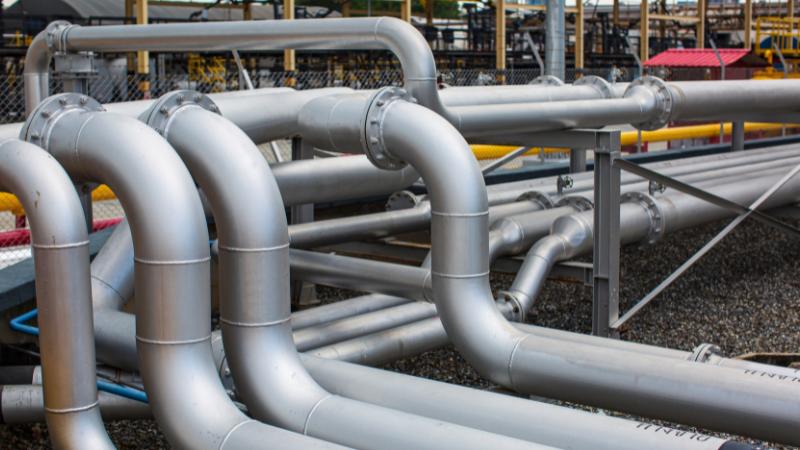
Valley Water continues its critical mission to deliver safe, clean, and reliable water across Santa Clara County, serving homes, farms, and businesses. While clean water is often taken for granted in daily life, it remains essential for public health, economic stability, and the innovation-driven ecosystem of Silicon Valley. However, much of the county’s water infrastructure was built several decades ago and is now in urgent need of upgrades. As challenges from climate change grow more pressing and the region’s population increases, timely and strategic investments in water infrastructure are no longer optional—they are a necessity.
Today, Valley Water is undertaking major infrastructure initiatives to modernize aging pipelines, treatment plants, and dams. The goal is to maintain the high standards of water quality the community relies on, while also preparing for future demands and extreme climate conditions. The agency’s efforts come at a pivotal time as the region faces the dual threat of longer droughts and increasingly severe storms, both of which place intense pressure on existing water systems. Valley Water’s leadership emphasizes that taking action now will ensure a sustainable and reliable water supply for the next generation.
One of the most significant ongoing projects is the Anderson Dam Seismic Retrofit. Originally constructed in 1950, Anderson Reservoir remains the largest of the ten reservoirs in the county and plays a central role in local water storage. In a major milestone achieved in September 2024, workers completed the excavation of a 1,736-foot-long tunnel near the dam. This tunnel will allow for faster water release during emergencies, improving safety and system responsiveness. Once final permits are secured, Valley Water will begin a comprehensive retrofit of the dam’s embankment and spillway. Plans include installing new outlet pipes, reconstructing the spillway, and rebuilding the embankment itself. Construction is scheduled to begin in January 2027 and will take about seven years. Once complete, the reservoir can return to full operational capacity, improving both water storage and emergency readiness.
In addition to dam retrofits, Valley Water is upgrading its three main treatment plants. Notably, the Santa Teresa Water Treatment Plant recently underwent a $20.6 million upgrade that included the replacement of 12 critical water filters. These components are essential in removing contaminants and maintaining the safety of the drinking water supply. Similar modernization efforts are also in progress at the Penitencia and Rinconada treatment facilities, forming a broader campaign to future-proof the county’s water treatment systems. Together, these projects highlight Valley Water’s long-term commitment to high-quality water service.
The agency’s Capital Improvement Program is at the heart of these infrastructure activities. It is designed to proactively maintain, enhance, and replace systems that support day-to-day water distribution and emergency preparedness. Looking ahead, Valley Water is also updating its Water Supply Master Plan. This strategic plan provides a forecast of future water needs while identifying and prioritizing critical projects that will help the county navigate extended droughts and a growing population. Preliminary projections indicate that relying solely on current resources could lead to serious water shortages in the years ahead.
To avoid that scenario, Valley Water is evaluating 18 potential new projects. These include expanding purified water capabilities, increasing groundwater recharge, building additional storage capacity, and constructing new pipelines. Each proposal is being assessed through a comprehensive process that weighs both financial costs and long-term benefits. Community feedback is an integral part of this review. A draft of the updated master plan is expected to be available for public comment by summer 2025.
Keeping water affordable for residents is also a key concern. In response, Valley Water has launched a study to examine future demand trends and assess the potential impact on water rates. By strategically using financial tools such as low-interest loans and bonds, the agency aims to distribute costs over time, minimizing the burden on ratepayers while still delivering necessary improvements.
This month’s observance of National Public Works Week offers a timely reminder of the dedicated professionals who keep essential services like water delivery running smoothly. Valley Water’s work reflects a deep commitment to ensuring Santa Clara County remains resilient in the face of environmental challenges. While infrastructure projects may take time and resources, they are vital to building a secure and sustainable future.
Ultimately, Valley Water’s mission remains unchanged: to provide safe, clean water to every community in the county. Achieving that goal in the decades to come depends on the investments being made today. With careful planning, community engagement, and a focus on long-term resilience, Valley Water is positioning Santa Clara County to thrive—no matter what challenges lie ahead.