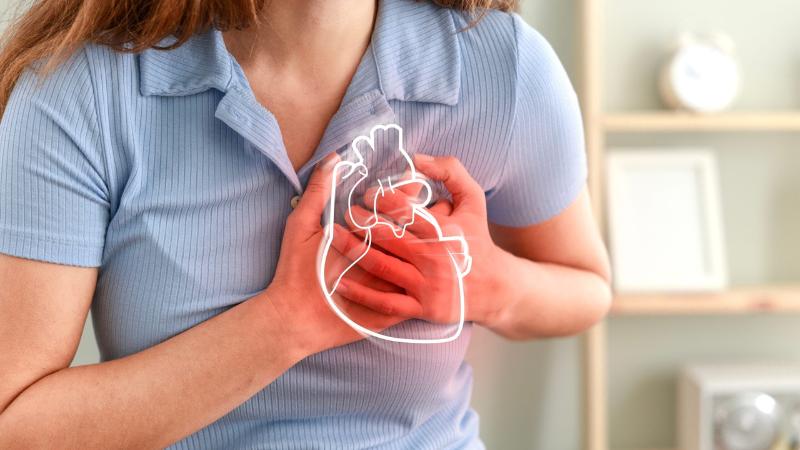
Heart attacks, once primarily associated with older men, have become increasingly common among women across all age groups. While men still experience heart attacks at higher rates, the rise in heart attack incidents among women is alarming. Various lifestyle factors, including poor diet, physical inactivity, smoking, and high stress levels, contribute to this concerning trend. Understanding the symptoms and seeking prompt medical attention is crucial to minimizing the risks associated with heart attacks.
One of the most critical aspects of addressing heart attacks is recognizing the symptoms early. The classic signs of a heart attack include chest pain, shortness of breath, and pain radiating to the left arm and jaw. However, it is essential to note that symptoms can differ significantly between men and women.
Symptoms of Heart Attack in Women
Heart attack symptoms in women are sometimes different and less dramatic than in men. While chest discomfort is still the most common symptom, women are more likely to experience subtle symptoms, said Dr. Naveen Bhamri, Vice Chairman and Head of Cardiology at Max Hospital. Women often have less intense, more unusual symptoms, which can easily be mistaken for other conditions, leading to delayed treatment and higher risks of complications.
Some common symptoms of heart attacks in women include:
- Unusual fatigue: Feeling extremely tired after light activities or rest.
- Chest discomfort: A sensation of pressure, squeezing, or fullness in the chest, which may be less intense than in men.
- Nausea and vomiting: Many women experience gastrointestinal symptoms, which can be mistaken for other issues like indigestion.
- Shortness of breath: Difficulty breathing, often without chest pain.
- Pain in other areas: Discomfort may radiate to the jaw, neck, back, or upper abdomen.
- Dizziness or lightheadedness: Sudden loss of balance or fainting episodes.
These symptoms can often be overlooked or misinterpreted, leading to delays in diagnosis and treatment for women, which could have severe consequences.
Factors That Increase the Risk of Heart Attacks in Women
Several factors can increase the risk of heart disease and heart attacks in women. Dr. Bhamri pointed out that many women tend to neglect self-care, delay health check-ups, and continue with their routine even when warning signs appear. This can make early detection difficult and increase the chances of severe heart problems. Additionally, certain conditions that are more common in women, such as anemia and cervical diseases, can further strain heart health.
Other risk factors for women include:
- History of coronary artery disease and microvascular disease
- Stress-induced heart conditions
- Hormonal changes, especially during menopause
- Gestational diabetes, preeclampsia, or high blood pressure during pregnancy
- Obesity
How to Lower Heart Attack Risk in Women
-
Adopt a Heart-Healthy Diet
A heart-healthy diet rich in antioxidants, fruits, vegetables, whole grains, and lean proteins can help reduce the risk of heart disease. Reducing sodium and saturated fat intake is also essential to maintain healthy blood pressure and cholesterol levels. -
Stay Active
Regular physical activity is crucial for cardiovascular health. Aim for at least 150 minutes of moderate aerobic exercise each week to keep your heart strong. -
Manage Stress
Chronic stress is a significant contributor to heart disease. Try stress-relieving techniques like meditation, yoga, and deep breathing exercises to protect your heart. -
Avoid Smoking and Limit Alcohol
Smoking is one of the leading causes of heart disease. Quitting smoking and limiting alcohol consumption can drastically lower your risk of heart attacks. -
Regular Health Screenings
Regular screenings for blood pressure, cholesterol, and blood sugar levels are essential to detect early signs of heart disease and manage risk factors effectively. -
Know Your Family History
If heart disease runs in your family, you are at a higher risk. Be proactive about adopting healthy lifestyle habits and seeking regular check-ups to stay ahead of any potential issues.
As heart disease continues to be a leading cause of death for both men and women globally, understanding the symptoms, recognizing the risk factors, and following preventative steps is critical for maintaining heart health. Women, in particular, need to be aware of the unique symptoms they may experience and take proactive measures to protect their heart and overall well-being.