Vikram-32 Bit Chip Presented to PM Modi at Semicon India 2025: A Milestone for India's Semiconductor Future
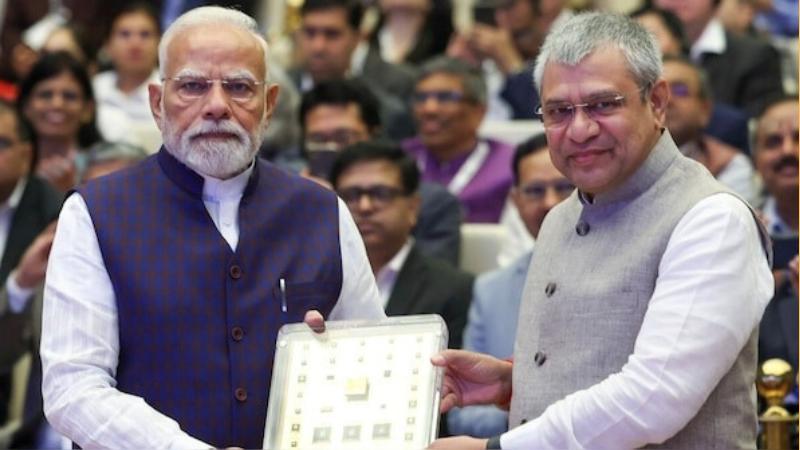
At the prestigious Semicon India 2025 conference, Prime Minister Narendra Modi was presented with India's first indigenously developed 32-bit microprocessor – the Vikram-32 chip. This groundbreaking achievement, showcased by Electronics and IT Minister Ashwini Vaishnaw, marks a monumental step in India's journey towards semiconductor self-reliance.
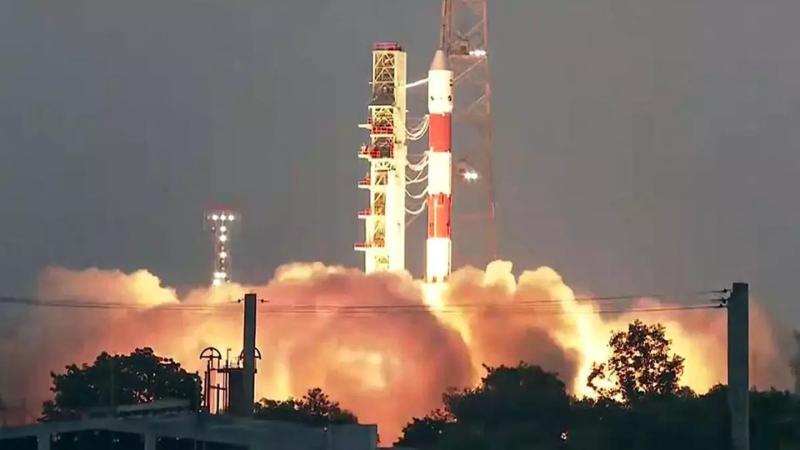
Developed by the Indian Space Research Organisation’s (ISRO) Semiconductor Laboratory (SCL), the Vikram chip has been designed to withstand the extreme conditions of space missions. The Vikram-32 chip is built on a 32-bit architecture, enabling it to process data efficiently in space-based applications. The Vikram 3201 device, which forms part of the initial lot, was successfully validated during the PSLV-C60 mission, a crucial step that showcased its reliability and robustness for future space missions.
This achievement is a testament to the rapid strides India has made in the semiconductor industry. Within just three and a half years since the launch of the India Semiconductor Mission in 2021, India has transformed from being a major consumer of semiconductor chips to becoming an emerging global player in chip production. The Vikram chip’s fabrication and packaging were done at ISRO's 180nm CMOS facility in Mohali, Punjab, which underscores the country’s growing capabilities in chip manufacturing.
Technical Features and Diverse Applications
The Vikram-32 chip is designed for extreme environments, particularly those encountered in space flight, making it crucial for satellite launches and space vehicle operations. It can process floating-point numbers and is optimized for handling substantial memory while executing complex tasks requirements that are essential for space missions.
Apart from space applications, the Vikram chip’s potential extends to various other sectors such as defense, aerospace, automotive, and energy. This versatility positions the chip as a key player in India's strategic sectors, reflecting the potential for broader applications in critical industries.
Minister Ashwini Vaishnaw, during the Semicon India 2025 presentation, emphasized India’s rapid progress in the semiconductor domain. He mentioned that the construction of five new semiconductor units is already underway, with over Rs 1.60 lakh crore investments backing 10 major semiconductor projects across six states. The Design Linked Incentive scheme has supported more than 23 design startups, highlighting India’s emergence as a global leader in the semiconductor value chain.
The presentation of the Vikram-32 chip to PM Modi is not only a technological achievement but also a symbolic milestone, marking India's transition into a new era of indigenous semiconductor innovation. With a strong focus on building a resilient and sustainable semiconductor ecosystem, Semicon India 2025 has positioned India as a beacon of growth and stability in the global semiconductor industry.