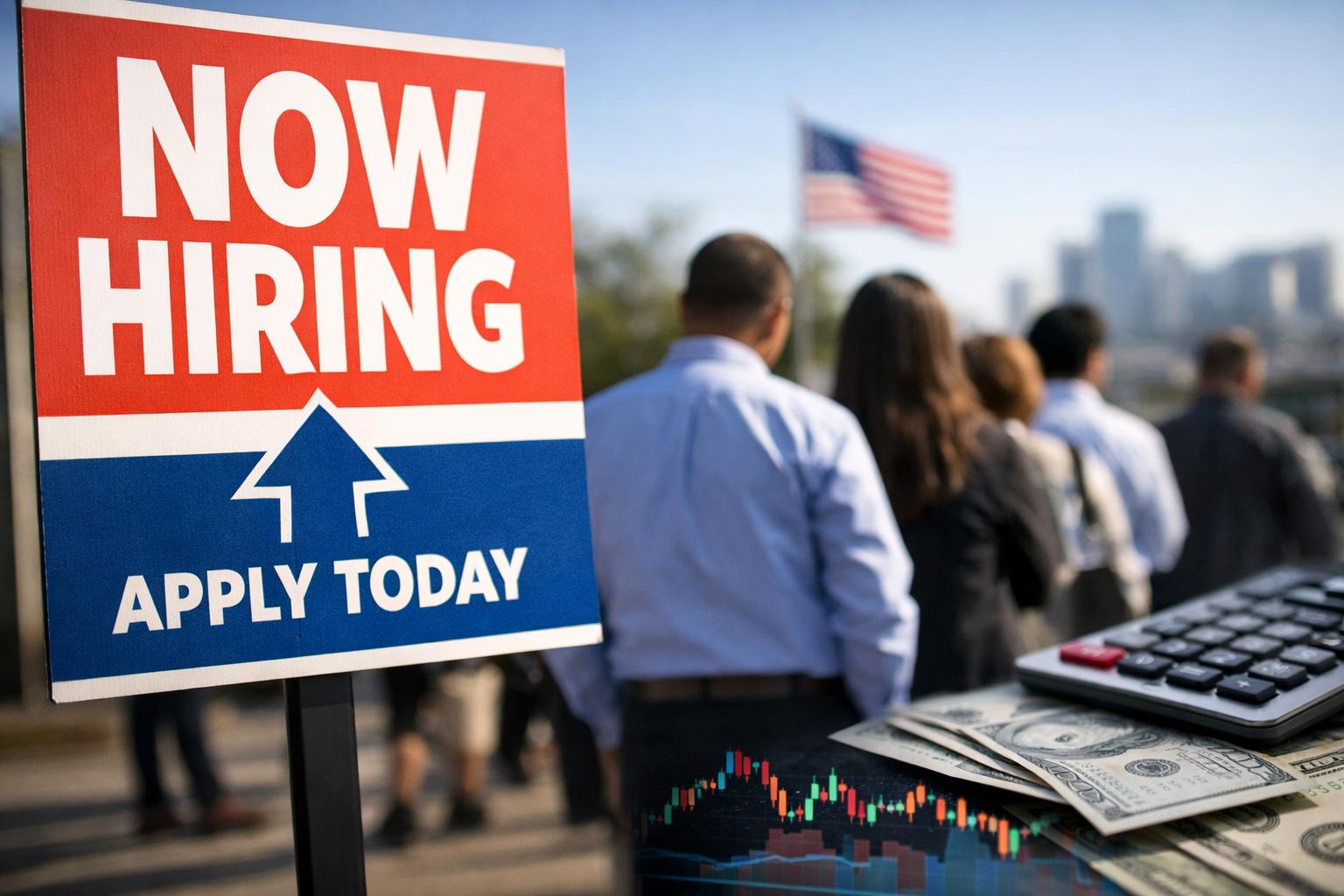
The U.S. labor market showed signs of recovery on Friday, April 4, 2026, as new data revealed stronger-than-expected job creation in March, even as broader indicators pointed to continued fragility in hiring conditions. According to the Bureau of Labor Statistics, nonfarm payrolls increased by 178,000 in March, surpassing expectations of 59,000 and rebounding from a revised decline of 133,000 in February.
Despite the improvement, revisions to prior months painted a softer picture overall. February’s total was adjusted downward by 41,000 jobs, while January was revised up to 160,000. The three-month average now stands at approximately 68,000, reflecting a slower pace of hiring compared to earlier periods.
The unemployment rate edged down to 4.3%, though the decline was largely attributed to a sharp drop of 396,000 in the labor force. The labor force participation rate fell to 61.9%, its lowest level since November 2021, signaling that fewer Americans are actively seeking work. Household survey data further indicated a reduction of 64,000 employed individuals, while a broader unemployment measure rose slightly to 8%.
Job gains were concentrated in specific sectors, with health care leading the increase by adding 76,000 positions. Much of that growth was tied to returning workers following a February strike at Kaiser Permanente. Construction added 26,000 jobs, and transportation and warehousing rose by 21,000. Meanwhile, federal government employment declined by 18,000, and financial activities shed 15,000 positions.
Wage growth remained subdued, with average hourly earnings rising just 0.2% for the month and 3.5% year-over-year, below expectations. The annual increase marked the slowest pace since May 2021. Average weekly hours also slipped slightly to 34.2.
The report arrives as the Federal Reserve continues to assess economic conditions amid persistent inflation and geopolitical pressures, including rising energy costs linked to ongoing tensions involving Iran. Market expectations, based on data from the CME Group, indicate little likelihood of interest rate changes in the near term, with policymakers expected to maintain a cautious stance through the end of 2026.
While March’s hiring figures offered some encouragement, economists note that the labor market remains uneven, with slower growth and declining participation suggesting continued challenges for job seekers in the months ahead.