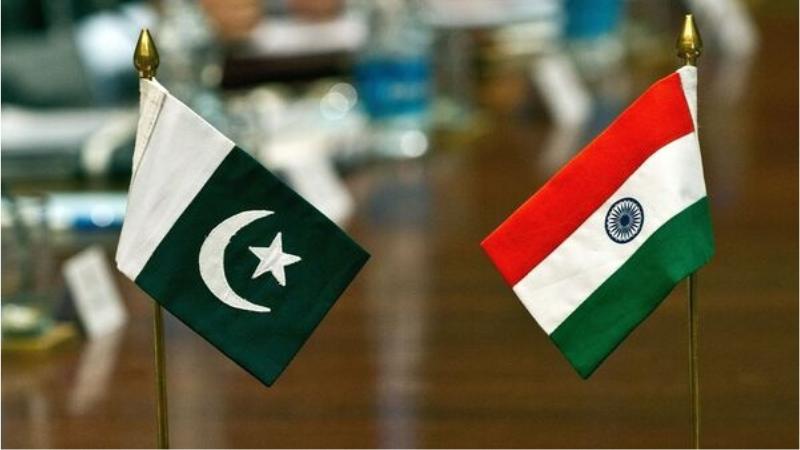
In a decisive and historic move, the Indian government has announced a sweeping set of actions against Pakistan in response to the brutal Pahalgam terrorist attack that claimed 26 lives, including that of a foreign national. The Cabinet Committee on Security (CCS), India’s highest authority on national security, chaired by Prime Minister Narendra Modi, convened late Wednesday to finalize a series of countermeasures aimed at what the government termed "cross-border linkages" to the deadly incident. At the forefront of these decisions is the suspension of the Indus Waters Treaty, a landmark 1960 water-sharing agreement between India and Pakistan brokered by the World Bank. The treaty, which had withstood three wars between the two countries, is now suspended indefinitely. The government stated that this drastic step reflects the deepening frustration in New Delhi over Islamabad’s continued support for cross-border terrorism.
Foreign Secretary Vikram Misri addressed the nation after the CCS meeting, confirming that the decision to hold the treaty in abeyance is contingent on Pakistan's verifiable and permanent cessation of support for terror activities targeting India. Misri noted that the attack occurred during a period of democratic progress and economic revival in Jammu and Kashmir, with local elections recently concluded and development initiatives underway. The terror strike is widely seen as an attempt to derail peace and stability in the region.
Major Diplomatic and Security Retaliation Measures Announced
In addition to suspending the Indus Waters Treaty, India has taken several other significant actions:
-
The Integrated Check Post at the Attari-Wagah border will be closed with immediate effect. Those already in transit with valid endorsements may return before May 1, 2025.
-
All Pakistani military personnel posted in India, including Defence, Naval, and Air Advisors, have been declared persona non grata and must leave within seven days.
-
India will reciprocally withdraw its own military personnel stationed in Islamabad. These roles, along with five supporting staff from each side, will be annulled immediately.
-
The total strength of each country's High Commission staff will be reduced from 55 to 30 by May 1, 2025.
-
The SAARC Visa Exemption Scheme (SVES) will no longer apply to Pakistani nationals. All previously issued SVES documents for Pakistanis are considered null and void. Any Pakistani national currently in India under this scheme must leave within 48 hours.
These announcements come as part of India's strategy to dismantle any diplomatic cover or convenience that may be exploited to facilitate hostile actions. Misri added that Indian forces have been instructed to maintain maximum vigilance at all strategic points, including international borders and sensitive infrastructure. Water Resources Minister CR Paatil echoed the government’s firm stance, praising the suspension of the Indus Waters Treaty as a necessary and overdue step. He recalled similar sentiments voiced by Prime Minister Modi in the past, particularly following the 2019 Pulwama attack, where Modi stated, “blood and water can’t flow together.”
Strategic Implications of Indus Treaty Suspension and Visa Revocation
Under the 1960 Indus Waters Treaty, India had exclusive rights over the eastern rivers—Ravi, Beas, and Sutlej—while Pakistan retained rights to the western rivers—Indus, Jhelum, and Chenab. The treaty is one of the few instances of sustained cooperation between the two nuclear-armed neighbors. Its suspension marks a major shift in diplomatic policy and signals India’s readiness to use water as a pressure point in bilateral relations. The impact of the treaty’s suspension could be severe for Pakistan, which has been flagged by global experts as a water-stressed nation facing imminent scarcity. With challenges like population growth, climate change, and poor infrastructure management, the move could lead to considerable strain on Pakistan’s agricultural and domestic water needs.
The CCS also targeted the SAARC Visa Exemption Scheme, a regional initiative intended to ease travel restrictions among SAARC member states by providing visa-free access to designated categories of dignitaries and professionals. Currently, the SVES includes 24 categories, such as parliamentarians, judges, senior officials, athletes, and journalists. India’s decision to cancel this privilege for Pakistan underlines the deterioration in trust and bilateral cooperation. The Pahalgam attack, for which The Resistance Front (TRF), an offshoot of the banned Lashkar-e-Taiba, claimed responsibility, has led to an unprecedented level of retaliation from India. The attackers targeted tourists in the Baisaran meadow—a scenic spot also known as “mini Switzerland”—by emerging from nearby pine forests and opening fire indiscriminately. The attack killed mostly Indian civilians, along with a Nepali national, and left several others injured, including foreign nationals from the UAE and Nepal.
The government has promised swift justice and has already intensified diplomatic, military, and intelligence measures in response. The recent extradition of Tahawwur Rana has further strengthened India’s resolve to pursue international legal avenues against those involved in orchestrating or financing terrorism. With these measures, India has not only demonstrated its refusal to tolerate terrorism but also signaled a potential recalibration of its long-term policy towards Pakistan. As diplomatic ties freeze and vital agreements like the Indus Waters Treaty are suspended, the geopolitical landscape of South Asia may be heading toward a phase of hardened stances and limited dialogue.