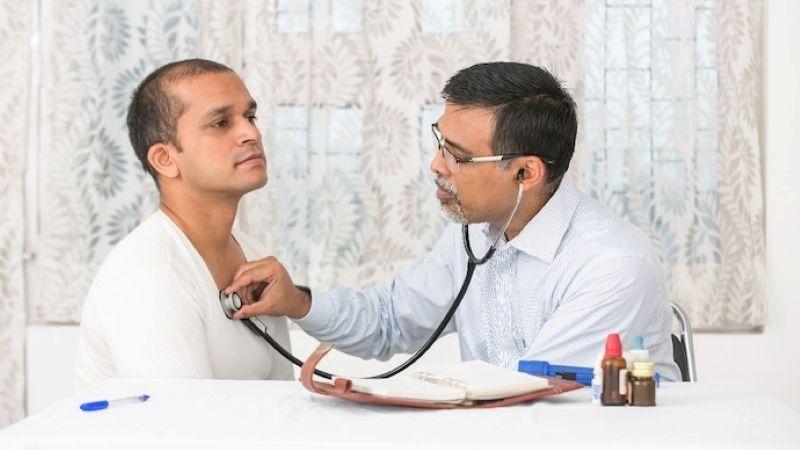
Routine health screenings are still underutilized in India, especially among men aged 40 and above. Yet, these check-ups can significantly reduce the risk of fatal diseases, lower long-term healthcare costs, and extend quality of life. With lifestyle diseases on the rise and a surge in prostate and heart conditions, doctors urge Indian men to begin annual health assessments as early as their 40s.
Cardiovascular diseases remain the leading cause of death among Indian men, followed by complications arising from diabetes, hypertension, and undiagnosed cancers. In 2023 alone, India recorded over 1.4 million cancer cases. Among men, prostate cancer is quickly climbing the chart, with an estimated 33,000 to 42,000 new cases annually.
Must-Do Screenings for Men Aged 40 and Above
Dr. Monica Kumbhat, a physician with Neuberg Diagnostics, highlights several key tests that every man above 40 should discuss with their doctor:
PSA Blood Test (Prostate-Specific Antigen)
This blood test helps in early screening for prostate cancer. While elevated PSA levels do not confirm cancer, they can indicate prostate inflammation, enlargement, or early malignancy. Since prostate cancer is often asymptomatic in its initial stages, timely testing improves early detection rates.
Blood Pressure Monitoring
Hypertension, a silent killer, can lead to strokes, heart attacks, and kidney disease if left untreated. Dr. Kumbhat recommends checking blood pressure at least once every six months.
Lipid Profile & Blood Sugar (Glucose) Tests
With age, cholesterol and blood sugar levels may fluctuate due to lifestyle and genetics. A yearly lipid profile reveals levels of good (HDL) and bad (LDL) cholesterol, triglycerides, and total cholesterol. Simultaneously, fasting glucose and HbA1c tests can catch diabetes or prediabetes early.
Liver & Kidney Function Tests
Simple blood and urine tests monitor how well these organs are working. Men who drink alcohol, take long-term medications, or have diabetes or hypertension should pay special attention to these functions.
Colon and Abdominal Screening
Colonoscopy is often recommended after 50, but men with a family history of colorectal cancer or gastrointestinal symptoms may need earlier assessments. Annual abdominal ultrasounds can help track kidney, liver, and prostate changes before symptoms appear.
Bone Density (DEXA Scan)
Often mistaken as a female-only issue, osteoporosis can also affect men—particularly smokers, steroid users, or those with low BMI. Bone scans help prevent fractures and joint issues later in life.
Cardiovascular Assessments
Besides cholesterol checks, electrocardiograms (ECG), stress tests, and heart risk scoring tools are essential for identifying irregular heart rhythms and other hidden issues that could lead to sudden cardiac events.
Testosterone Levels
Low testosterone isn’t always obvious. Men experiencing fatigue, decreased libido, or mood swings might benefit from hormone testing, especially after age 45.
Genetic Testing for Cancer Risks
Men with strong family histories of prostate, breast, or ovarian cancer should consider BRCA1 or BRCA2 gene testing. These mutations can increase the likelihood of developing aggressive prostate cancer.
The push for preventive screenings gained attention following recent news of former US President Joe Biden’s prostate cancer diagnosis. It has sparked global discussions around aging men and proactive health management.
Dr. Kumbhat emphasizes: “As men age, their chances of developing chronic illnesses rise. Early detection allows for timely interventions and often better treatment outcomes.” Indian men are advised to overcome social stigma around health tests and prioritize annual check-ups. Starting these tests at 40 not only protects individual health but also ensures a more productive and disease-free life ahead.