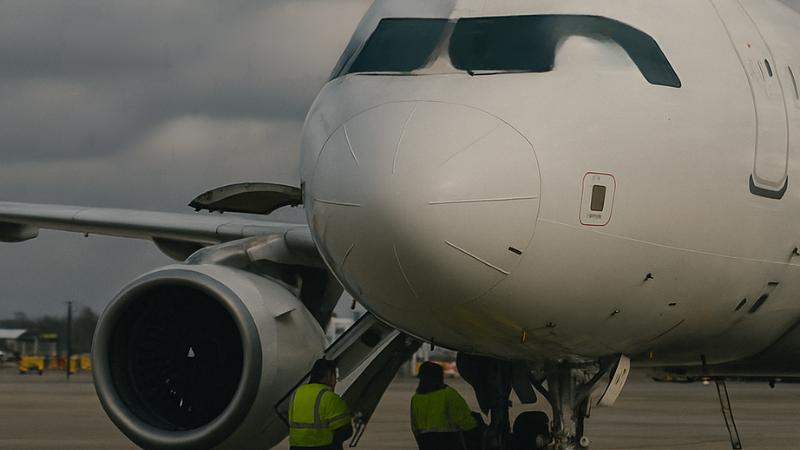
Thousands of passengers across multiple continents faced significant travel disruptions after Airbus ordered an immediate software update for approximately 6,000 A320-series aircraft. The unexpected directive, one of the largest issued in the manufacturer’s history, resulted in widespread grounding of narrow-body jets during a peak travel period and triggered delays and cancellations across Asia, Europe, the United States, and Australia. Airlines were instructed to complete the corrective action before allowing the aircraft back into service, causing operational strain as carriers rushed to update their fleets.
The software fault became a global concern after regulators revealed that intense solar radiation could corrupt flight control data on affected aircraft. While no major safety incidents were reported, authorities warned that the issue could lead to uncommanded aircraft movements if left unaddressed. The European Union Aviation Safety Agency highlighted an incident involving a JetBlue-operated A320 on October 30 that experienced a limited pitch-down event, prompting swift regulatory action. The Federal Aviation Administration later issued its own emergency directive, reinforcing the need for immediate compliance.
Airlines responded rapidly, though the scale of the grounding created ripple effects throughout the weekend. American Airlines, one of the largest operators of the A320 family, said that 209 aircraft required the software fix, a lower figure than the initial estimate of more than 340 aircraft. The carrier reported steady progress, noting that most updates would be completed within hours. United Airlines said only six aircraft in its fleet were affected and anticipated minimal disruption. Delta Air Lines reported fewer than 50 aircraft requiring attention, with limited operational impact.
Asian carriers faced more substantial challenges. ANA Holdings canceled 95 domestic flights, affecting more than 13,000 travelers as it worked to update its large A320 fleet. Peach Aviation, one of its affiliates, also undertook the software fix. In contrast, Japan Airlines avoided significant disruption due to its reliance on Boeing aircraft for domestic services. Air India said it had completed updates on over 40 percent of its affected aircraft and reported no cancellations, though some flights were delayed or rescheduled. Scoot, a Singapore-based carrier, confirmed that 21 of its 29 A320 aircraft needed the update and aimed to complete the work by Saturday.
In Australia, Jetstar Airways experienced notable operational challenges, canceling about 90 flights as engineers worked to apply the software fix to 34 aircraft. The airline said that more than half of those jets had returned to service by late afternoon and expected the rest to be ready overnight. Jetstar and its parent company hold a majority share of the Australian domestic market, intensifying scrutiny on their recovery efforts. Virgin Australia, which operates a smaller A320 fleet, reported no impact from the directive.
The grounding underscored the vulnerability of modern aviation systems to external environmental factors such as solar flares. Airbus stated that it issued the directive after confirming that intense solar activity could compromise data essential to flight control operations. Regulators emphasized that completing the update was necessary to prevent potential elevator control issues in rare but hazardous scenarios.
As airlines continue to restore normal operations, the incident has reignited discussions about resilience and reliability in highly computerized aircraft systems. While the disruptive impact is expected to ease as fleets return to service, the episode serves as a reminder of the complex interplay between technology, environmental conditions, and global air travel.