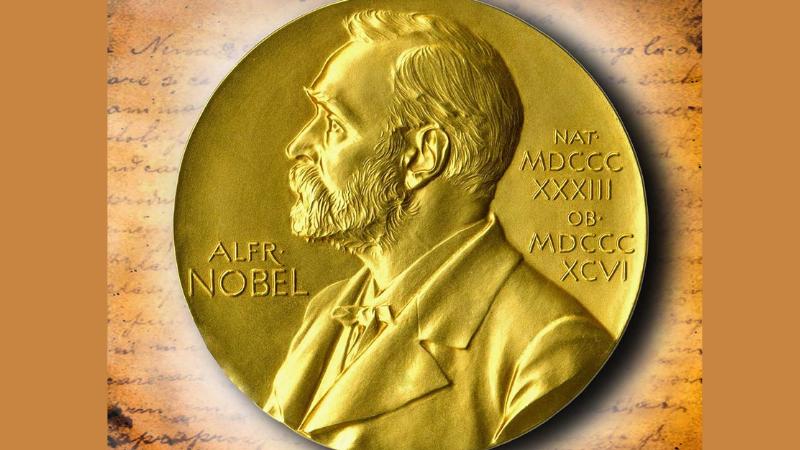
The world’s attention turns once again to Stockholm and Oslo as the Nobel Prize 2025 ceremony takes place today, December 10. This day holds special significance, marking the death anniversary of Alfred Nobel, the Swedish inventor of dynamite who dedicated most of his wealth to honouring those who make the greatest contribution to humankind. The tradition of presenting the awards on this date has continued since the very first ceremony in 1901. Nobel passed away in 1896, and in his will he left nearly his entire fortune, around 31 million Swedish kronor at that time, to establish annual prizes in physics, chemistry, physiology or medicine, literature and peace. The date is also seen as symbolic redemption, as Nobel was once labelled a merchant of death after a premature obituary mistakenly described him instead of his brother.
Ceremonies in Stockholm see the King of Sweden presenting laureates with medals, diplomas and this year's prize money of 11 million SEK per award. A grand banquet follows at Stockholm City Hall where global scientists, academicians, diplomats and families of awardees join to celebrate. Meanwhile in Oslo, Norway hosts the Nobel Peace Prize ceremony separately, as specified in Alfred Nobel’s will to reflect his belief in peace values associated with the country. Months of excitement build up after announcements are made in early October, followed by lectures, media interactions and global broadcast coverage.
The 2025 Nobel Prize in Physics went to John Clarke, Michel H. Devoret and John M. Martinis for their discovery of macroscopic quantum tunnelling and energy quantisation in electric circuits. In Chemistry, Omar M. Yaghi, Susumu Kitagawa and Richard Robson received the honour for pioneering metal-organic frameworks. The Nobel Prize in Medicine was awarded to Mary E. Brunkow, Fred Ramsdell and Shimon Sakaguchi for their work on immune tolerance. Hungarian novelist Laszlo Krasznahorkai received the Literature Prize for his visionary writing exploring art through apocalyptic themes. The Peace Prize went to Venezuelan opposition leader Maria Corina Machado for her efforts in advancing democratic rights and peaceful political transition. In Economic Sciences, Joel Mokyr, Philippe Aghion and Peter Howitt were recognised for explaining innovation-driven growth and the role of creative destruction. With the spotlight bright and celebrations underway, December 10 once again becomes a day when human achievement, research and ideas shaping the world are honoured under Alfred Nobel’s legacy.