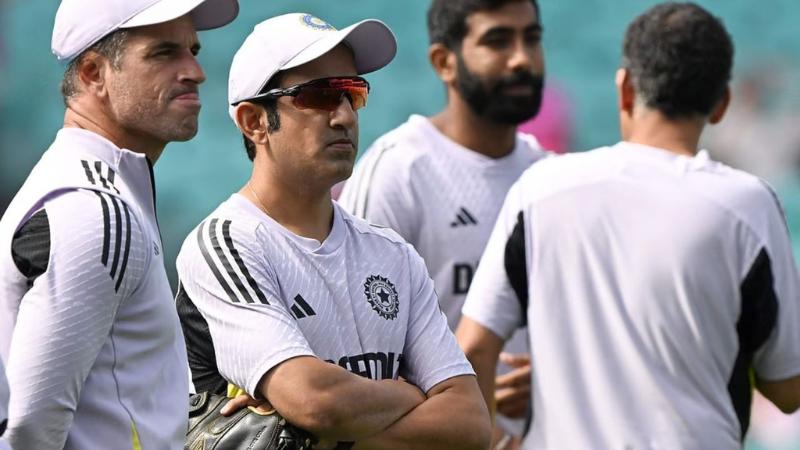
India strengthened their position in the opening Test against Sri Lanka on Tuesday, August 18, 2026, after setting the hosts a challenging target of 372 runs. The visitors were bowled out for 193 in their second innings, but their strong first-innings advantage ensured that Sri Lanka were left facing a difficult fourth-innings chase.
Earlier in the match, India had posted an imposing 462 in their first innings, putting significant pressure on the Sri Lankan batting lineup. The hosts responded with 284, giving India a valuable 178-run first-innings lead. That advantage allowed India to control the tempo of the match and approach their second innings with an attacking mindset.
India Push Ahead With Aggressive Second Innings
Returning to the crease on Tuesday, India looked to score quickly and push the game further away from Sri Lanka. Rather than adopting a defensive approach, the visitors tried to keep the scoreboard moving and build a target that would test the hosts both technically and mentally.
Although India lost wickets regularly and were eventually dismissed for 193, the runs were enough to stretch the overall target to 372.
Sri Lanka Face Challenging Fourth-Innings Chase
The task now facing Sri Lanka is considerable. Chasing a big total in the fourth innings of a Test match often demands patience, discipline and strong partnerships, especially as the pitch begins to offer more assistance to the bowlers. Sri Lanka will need their top order to provide a solid start and avoid early wickets if they are to stay in contention.
India, meanwhile, will look to use scoreboard pressure to their advantage. Early breakthroughs could put the visitors firmly on course for victory, while sustained pressure from the bowling attack may make scoring increasingly difficult for the hosts.
The opening Test has now entered a decisive phase, with India holding the upper hand after strong performances across both innings. Sri Lanka still have an opportunity to challenge the target, but they will require one of their best batting efforts of the match to turn the contest around.
With 372 runs required for victory, the final innings promises to be a test of Sri Lanka’s resilience and India’s ability to convert a commanding position into a win. The outcome could depend heavily on how the hosts handle the opening spell and whether they can build partnerships against a confident Indian attack.
Disciplined bowling with the new ball will be crucial for India. Sri Lanka must combine patience with steady scoring to keep the chase alive and avoid giving the visitors early control.