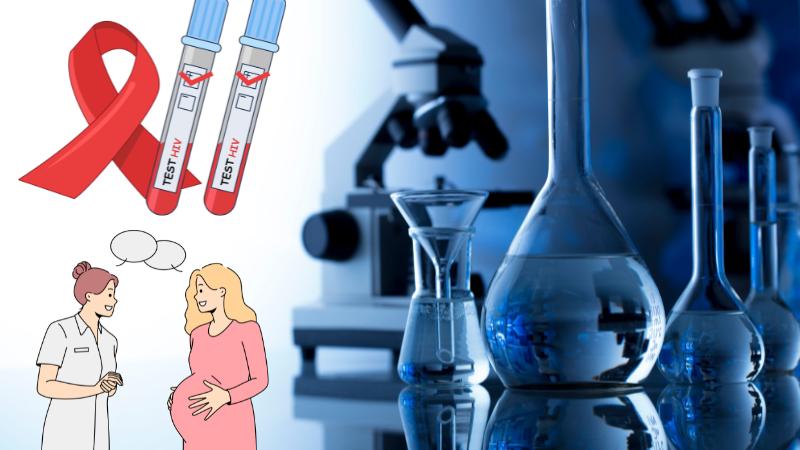
Testing and monitoring for HIV in South Africa have experienced a sharp decline in recent months, following significant cuts in US aid that previously supported healthcare workers and local clinics. According to unreleased data from South Africa's National Health Laboratory Service, the drop in viral load testing—especially among vulnerable groups such as pregnant women, infants, and youth—is raising alarm among health experts. The United States had been contributing approximately 17% to South Africa’s HIV budget before the Trump administration implemented funding cuts earlier this year, targeting a range of foreign aid initiatives, including the President’s Emergency Plan for AIDS Relief (PEPFAR).
South Africa bears the world’s heaviest HIV burden, with nearly eight million people—about one in five adults—living with the virus. While the country does not rely on American funding for anti-retroviral drugs, a significant number of public health initiatives, including salaries for approximately 15,000 healthcare workers, were sustained through PEPFAR support. These workers played a critical role in HIV testing, counseling, and ensuring that patients remained on treatment—tasks now left unmet in many regions following the withdrawal of aid. Several clinics operated by non-governmental organizations, which were also funded through PEPFAR, have shut down, further limiting access to care, especially in districts with high HIV prevalence.
New figures indicate that maternal viral load testing dropped by 21.3% in April compared to the previous year, with early infant diagnosis falling by nearly 20% in the same month. Among youth aged 15-24, viral load testing declined 17.2% year-over-year in April after already dipping by nearly 8% in March. Total testing across the population fell by over 11% in April. Even more concerning, the rate of viral suppression—an indicator of successful HIV treatment—also declined nationwide, particularly among young adults, suggesting treatment disruptions or patient dropouts. These trends paint a troubling picture for the country’s efforts to curb the spread of HIV and reduce mother-to-child transmission.
The loss of health counselors has also impacted diagnostic testing. Many clinics no longer have personnel to conduct rapid HIV tests or offer preventative drugs like PrEP to at-risk pregnant women. The consequence is a growing number of patients who are not being diagnosed in time, and pregnant women are not receiving the protection needed to prevent transmission during childbirth. Health experts caution that these cuts are undoing years of progress in reducing HIV transmission rates, especially among mothers and infants.
In communities like Diepsloot, an informal township in Johannesburg, the absence of follow-up care is already visible. Local activists point out that stigma and fear keep many people away from clinics. In the past, health workers would reach out to patients who missed appointments. Without this support system, many individuals are slipping through the cracks, missing life-saving treatment and tests. The drop in care is not only affecting patients’ individual health but also threatens to reverse broader public health gains.
Experts also warn that the current figures could be the early signs of a coming rise in new infections and HIV-related deaths if the trend continues. Although South Africa’s Department of Health acknowledged pre-existing challenges with retention and testing, officials insist they are analyzing the recent data to determine the full scope of the problem. Still, some within the health community argue that the government is underplaying the impact of the funding loss and that urgent action is required to mitigate the fallout.
While there have been discussions with other local and international donors to fill the funding gap, no formal plans have been announced. The outlook remains uncertain as broader US foreign aid remains under scrutiny due to the Trump administration’s “America First” policy, which has sought to drastically reduce international aid budgets. These cuts have also impacted HIV research efforts, including clinical trials for vaccines.
According to experts on the ground, the challenges are immediate and severe. Clinics in Cape Town have reported understaffing and shortages of nurses able to conduct essential tests like blood draws. The absence of trained health workers is leaving many patients untested, untreated, and vulnerable. If current trends continue, health professionals warn, South Africa could face a resurgence in HIV-related morbidity and mortality. The data from April is being seen not just as a current health crisis, but as a forecast of graver consequences yet to unfold.