The Consulate General of India in Chicago has issued a strong condemnation following the vandalism of the BAPS Swaminarayan Temple in Greenwood, Indiana, after anti-India graffiti was discovered on the temple’s walls. The incident, reported on the night of August 10, 2025, has been described as deeply distressing and marks the fourth attack on a Hindu temple in the United States in less than a year. Authorities suspect the involvement of pro-Khalistan separatists in these repeated acts, which have targeted places of worship and heightened concerns among the Indian diaspora about the security of religious and cultural sites.
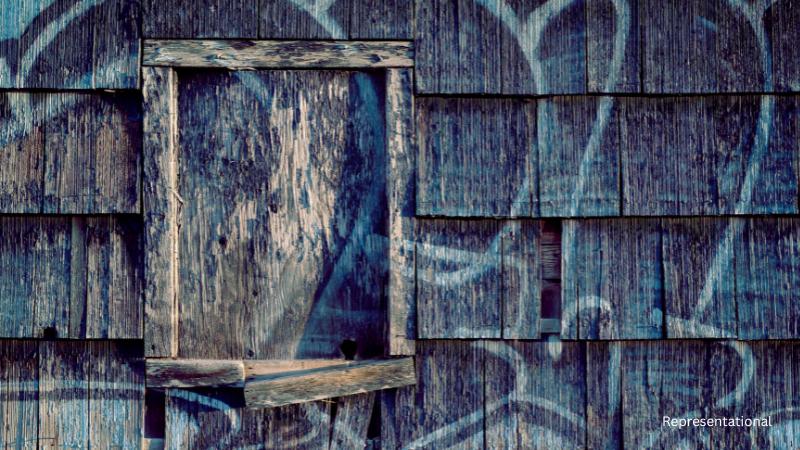
According to community members, the graffiti included slogans opposing India and the country’s leadership, as well as messages directed at elected officials, urging them to take action beyond what perpetrators described as “empty condemnations.” Many in the community have expressed outrage and sadness over the incident, calling it an attack not only on the temple’s sanctity but also on the values of peace and unity that the place of worship represents. The act has been widely condemned as a hate crime that aims to instill fear and division within the community.
The Indian Consulate in Chicago stated that it is in constant contact with local law enforcement and community leaders to ensure that the perpetrators are brought to justice. In an official statement, the consulate described the desecration of the temple’s main signboard as reprehensible and unacceptable. The Consul General personally visited Greenwood to meet with devotees, community members, local leaders, and the Mayor, emphasizing the importance of unity, vigilance, and solidarity in the face of such incidents. The consulate also reiterated its commitment to working closely with U.S. authorities to enhance security measures and prevent further attacks on places of worship.
This latest incident follows a series of similar acts targeting Hindu temples across the United States in recent months. Previous cases in California and other states have involved graffiti, vandalism, and property damage linked to extremist groups with separatist agendas. Each event has prompted fresh calls for law enforcement to treat these incidents with the seriousness they deserve, recognizing them as deliberate attempts to intimidate and sow discord within peaceful communities.
Community organizations have stepped forward to support the Greenwood temple, offering assistance for cleanup efforts and organizing vigils to show solidarity. Many have urged members of the Indian diaspora to remain alert and report suspicious activities to authorities without delay. These attacks have also sparked broader discussions about the safety of religious minorities in the United States and the measures needed to protect their right to worship freely and without fear.
For the devotees of the BAPS Swaminarayan Temple, the site is more than just a religious structure—it is a center for cultural activities, spiritual gatherings, and community service. The vandalism has therefore touched a deep emotional chord, as it undermines a place that has long stood for harmony and mutual respect. Leaders have vowed not to let such acts of hatred disrupt their commitment to peace and community building.
Authorities in Greenwood have assured residents that the investigation is a priority and that every effort will be made to identify and prosecute those responsible. They have also encouraged the public to provide any information that could assist in the case. The Indian Consulate’s intervention and strong stance have further reinforced the message that such attacks will not be tolerated, and that the safety and dignity of all communities must be safeguarded.
This series of incidents serves as a reminder of the importance of continued dialogue, education, and cooperation between communities and law enforcement. As members of the Indian diaspora and their allies rally around the Greenwood temple, the message remains clear: unity in the face of hate is the most powerful response.