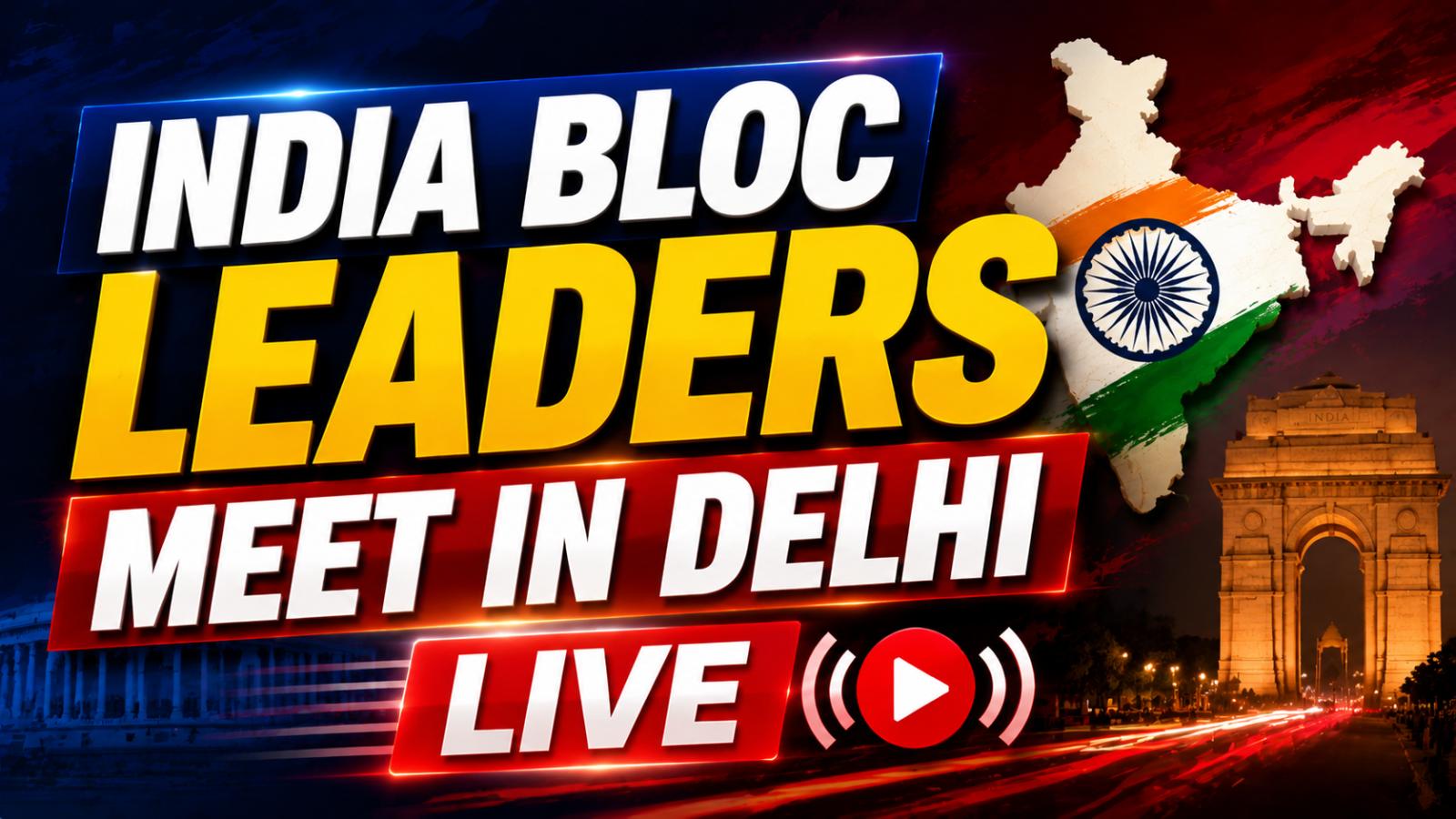
The INDIA Bloc convened in New Delhi on June 8, 2026, for a crucial strategy meeting as opposition parties aim to coordinate and unify ahead of future electoral contests, including the 2029 Lok Sabha elections. The session is particularly significant amid questions about the alliance's cohesion following recent electoral setbacks and growing internal friction. Leaders from 23 parties attended or were expected to participate, including prominent figures such as Congress president Mallikarjun Kharge, Rahul Gandhi, Mamata Banerjee, Abhishek Banerjee, Akhilesh Yadav, Tejashwi Yadav, Supriya Sule, and Mehbooba Mufti.
The meeting reflects an effort by the opposition to present a united front despite apparent tensions between constituent parties. Some leaders, such as Shiv Sena (UBT) chief Uddhav Thackeray, joined virtually, while DMK and AAP chose to stay away from the session, citing internal differences and strategic disagreements with the Congress party. Key Congress figures including K C Venugopal, Jairam Ramesh, Derek O'Brien, Kapil Sibal, John Brittas, and Vaiko were already present at the venue, demonstrating the alliance’s determination to maintain a coherent public image.
The bloc deliberated on central issues of national importance and sought to strengthen opposition coordination in preparation for upcoming electoral challenges. The absence of DMK and AAP underscores persistent gaps within the alliance, with parties seeking to balance individual agendas with broader strategic goals. Analysts suggest that the meeting serves both as a platform for planning future electoral moves and as a symbolic gesture of cohesion in the face of public scrutiny.
While the INDIA Bloc emphasizes unity and collective action, ongoing internal differences could impact strategic implementation and voter perception. The session's outcomes are expected to influence political maneuvering across various states and shape opposition campaigns in the months leading up to the 2029 Lok Sabha elections. With prominent leaders actively engaging in discussions, the bloc aims to consolidate its message and strengthen its position as a formidable counterbalance to the ruling government. The Delhi meeting thus serves as both a tactical and symbolic step toward revitalizing the opposition’s national strategy.