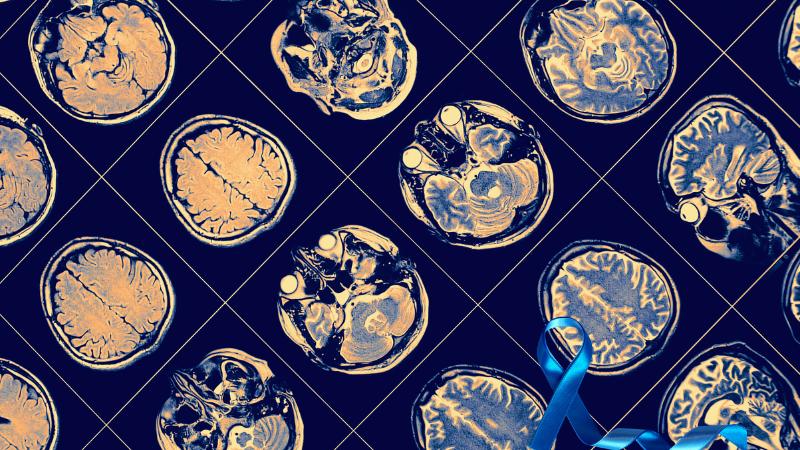
As Brain Cancer Awareness Month unfolds in May, a mother from the suburbs is speaking out about her experience with glioblastoma, one of the most aggressive forms of brain cancer. Her story is a call to action for early detection, self-advocacy, and access to advanced treatment options that are increasingly available beyond major city hospitals.
An energetic and health-conscious mother of two, she first noticed something unusual in June 2024. While working, she felt pain in her arm and experienced brief heart palpitations. Later, after taking a workout class with her daughter, a tingling numbness spread across her lip. Though these symptoms might not have immediately raised alarms for many, she sensed something was wrong and promptly went to urgent care, suspecting a potential heart issue.
The initial tests ruled out a heart attack, but she wasn’t satisfied with leaving things unresolved. Instead of heading home, she opted to visit the emergency room for further evaluation. That choice may have saved her life. After undergoing a CT scan, she was shocked to learn that she had a tumor on the right side of her brain, approximately the size of a walnut. Within 24 hours, she underwent surgery, and subsequent testing confirmed a diagnosis of glioblastoma—a rare and aggressive brain cancer known for its fast progression and limited treatment success.
Rather than allowing the diagnosis to overwhelm her, the mother responded with determination. She began approaching each day with purpose, organizing her life and care into manageable steps. She quickly enrolled in two clinical trials—one focusing on a therapeutic drug, and the other examining a topical cream designed to prevent skin irritation from a treatment device called Optune.
Optune has become a widely accepted part of the standard treatment for glioblastoma, used alongside surgery, radiation, and chemotherapy. The device consists of a cap worn on the head that delivers low-intensity electric fields intended to disrupt the division of cancer cells. These electric fields, while faint and noninvasive, offer a hopeful adjunct to traditional therapies, aiming to slow the tumor's growth and extend stability.
She wears the Optune cap for up to 20 hours each day. It has become a part of her daily routine—whether she’s sleeping, walking outside, or having dinner with friends. Rather than hide it, she’s found ways to personalize the experience with colorful hats and earrings, symbolizing her choice to live openly and courageously with her condition.
Encouragingly, her cancer remains stable. Her doctors have expressed optimism about her progress, crediting the comprehensive care she receives—much of it accessible in suburban facilities, removing the need to travel long distances to urban centers for advanced oncology treatment. Her case demonstrates the growing reach of cutting-edge medical services, giving more patients access to life-extending care without the additional stress of complicated logistics.
More importantly, this mother is using her voice to encourage other women, particularly working mothers, to trust their instincts when it comes to their health. She urges individuals to act on warning signs, however minor they may seem, and to seek second opinions or escalate care when something doesn’t feel right.
“I try not to focus on the statistics or outcomes,” she says. “I feel optimistic, and I want to focus on making memories and living my life with the people I love.” With Mother's Day approaching, she looks forward to spending quality time with her daughters, playing mini-golf and sharing a simple lunch—activities that now hold even deeper meaning.
Her message is clear and powerful: early detection can make all the difference. She emphasizes that taking symptoms seriously and acting quickly may change the course of an illness. “If something doesn’t feel right, speak up,” she says. “Ask more questions, go to urgent care, go to the ER. I could’ve waited—and if I had, I might not be here today.”
Her journey not only sheds light on the challenges of living with glioblastoma but also serves as an inspiring reminder of what can be achieved when patients advocate for themselves, pursue innovative treatments, and refuse to let a diagnosis define their future. Through her strength and transparency, she’s helping to raise awareness for a disease that often goes unspoken—and giving others the courage to face it head-on.