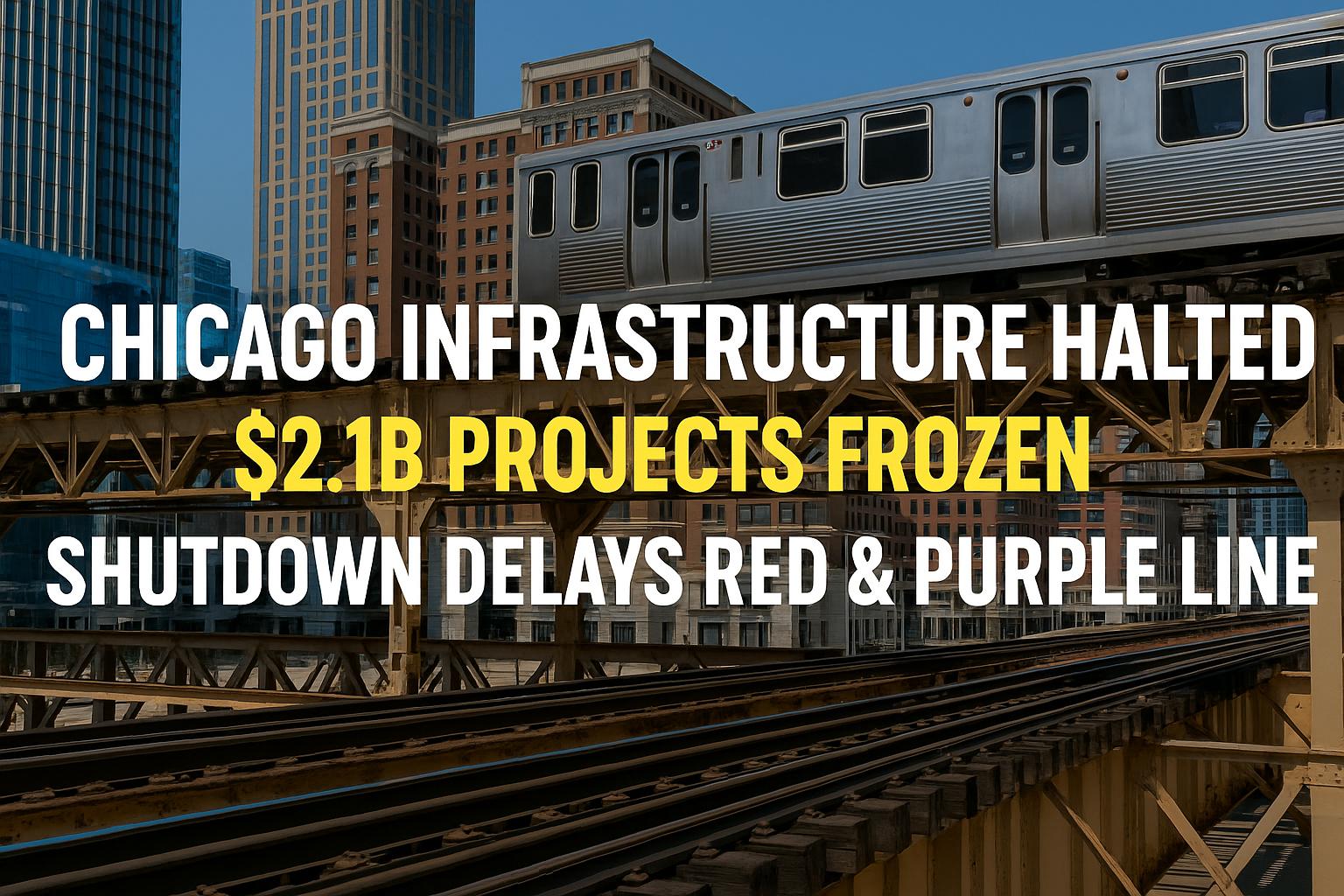
The Red Line extension has been widely recognized as one of the most critical steps in addressing inequality within the city’s transit system. By extending service deeper into the South Side, thousands of residents would gain easier and faster access to the central business district and surrounding employment centers. Advocates of the plan have highlighted its potential to stimulate local economies, boost property values, and improve overall quality of life for residents in neighborhoods that have historically seen fewer public investments. With the funding withheld, momentum for the project has been interrupted, leaving both officials and communities frustrated by the delay.
Attention has also turned toward the modernization of the Purple Line, another key transit corridor that has been under consideration for upgrades. This project aims to improve service reliability, reduce frequent delays, and modernize facilities to handle growing ridership. Both the Red Line and Purple Line initiatives represent major investments in the city’s future, and the withholding of funds could stall progress at a time when transportation demands continue to rise.
The freeze comes as part of the larger effects of the federal government shutdown, which has stalled numerous projects nationwide. For Chicago, the impact is especially significant because the city has been depending on federal commitments to support its ambitious transit expansion and modernization programs. The pause in funding not only creates immediate obstacles for project planning and development but also undermines the long-term stability that such large-scale infrastructure efforts require.
Local leaders and community advocates have stressed that stable funding is essential for ensuring equitable access to reliable transportation. The loss of momentum on projects like the Red Line extension and Purple Line modernization means delayed opportunities for thousands of residents. For many in the South Side, in particular, the funding freeze is not just a bureaucratic setback but a disruption of long-promised improvements that could have transformed mobility and daily life.
As the shutdown continues, the future of these projects remains uncertain. The withholding of $2.1 billion underscores the broader risks of tying essential local infrastructure to the volatility of national budget disputes. Without timely resolution, delays could increase costs, extend project timelines, and weaken public trust in commitments to improve transportation. For Chicago residents who rely heavily on dependable transit, the pause in funding is a reminder of how deeply federal decisions can affect daily realities in local communities.