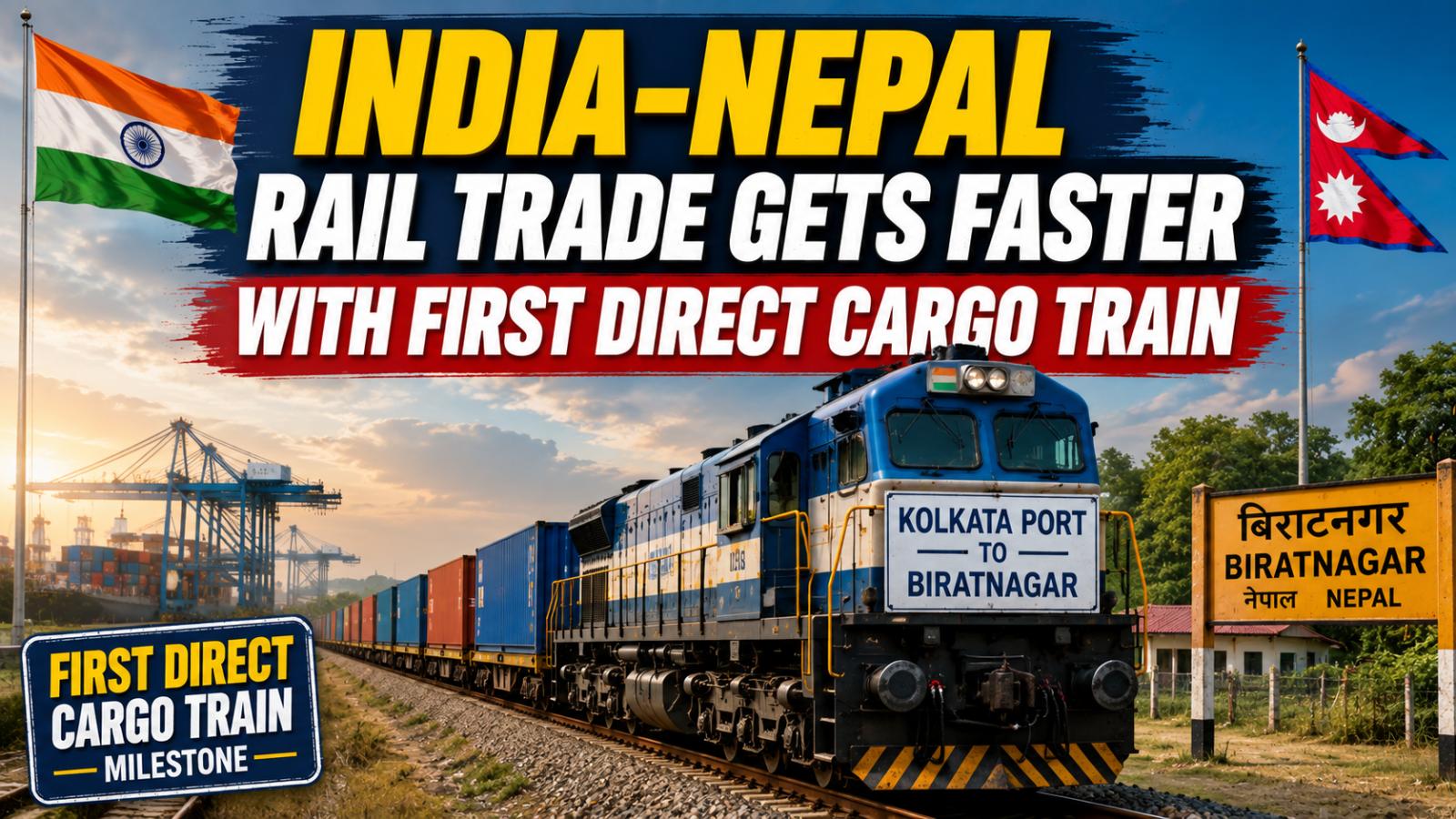
India’s first direct commercial container freight train reached Nepal, eliminating border transshipment and reducing cargo time, handling risks and logistics costs.
India-Nepal Direct Cargo Train Marks Historic First
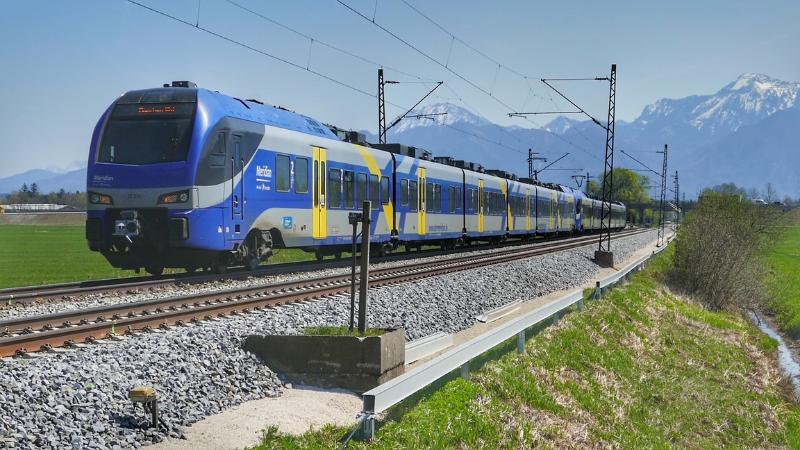
India and Nepal have achieved a major cross-border trade milestone with the successful operation of the first direct commercial container freight train from Kolkata Port to the Biratnagar Customs Yard in Nepal.
The train consisted of 40 wagons carrying a consignment of canola and completed the journey under the revised India-Nepal Rail Transit Protocol. The service allows Nepal-bound containerised goods to travel directly by rail without being unloaded and transferred to another vehicle at the international border.
The new route is expected to make cargo transportation faster, more predictable and cost-effective for businesses in both countries. It also expands Nepal’s direct railway access beyond the traditional Birgunj trade corridor and provides eastern Nepal with a more efficient connection to Indian seaports.
India-Nepal Rail Route Removes Border Transshipment
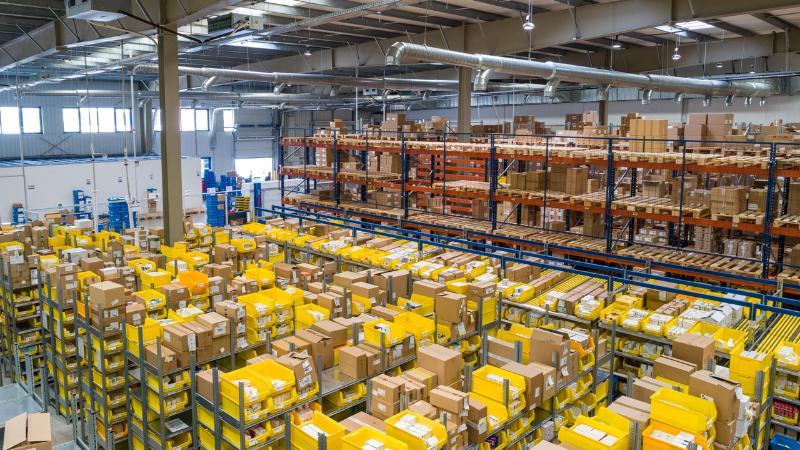
Previously, goods moving from Kolkata Port towards eastern Nepal often required additional handling and road transportation after reaching the border. Cargo had to be unloaded, inspected and placed on another vehicle before continuing towards its destination.
Under the revised arrangement, containers can remain on the train throughout the journey from Kolkata to the customs facility at Biratnagar. Removing border transshipment is expected to reduce delays, handling expenses and the possibility of goods being damaged during repeated loading and unloading.
India and Nepal amended the transit framework through an exchange of letters on November 13, 2025. The change facilitated rail-based freight movement between Jogbani in India and Biratnagar in Nepal, including containerised and eligible bulk cargo.
India-Nepal Cargo Service Benefits Traders
The direct rail connection is expected to help importers, exporters, shipping companies and logistics operators by simplifying the movement of goods. Businesses may benefit from shorter transit periods, lower transportation costs, reduced cargo handling and more reliable delivery schedules.
Rail transport can also carry larger consignments more efficiently than road vehicles, potentially reducing congestion at border checkpoints. The Kolkata-Biratnagar service could be particularly valuable for industries and traders operating in eastern Nepal, as it provides direct access to the port through the Jogbani-Biratnagar railway corridor.
The first service was flagged off from Kolkata Port on July 17, 2026, and marked the beginning of regular direct cargo movement on the route. Officials from Kolkata Customs, the port, the Container Corporation of India and Nepal’s diplomatic mission participated in the launch.
India-Nepal Trade Connectivity Gets Major Boost
The successful freight run represents an important step in strengthening commercial and transport links between India and Nepal. Faster access to ports can support Nepal’s import-dependent industries while creating new opportunities for Indian railway, port and logistics operators.
The initiative is also expected to encourage greater use of rail for cross-border cargo, reducing dependence on long-distance road transport. As freight volumes increase, similar direct services could be expanded to carry more categories of goods and connect additional trade centres.
By linking Kolkata Port directly with Biratnagar, the new service creates a more integrated supply chain and strengthens India’s position as Nepal’s principal transit partner. The milestone could pave the way for modern, reliable and sustainable freight networks across South Asia.