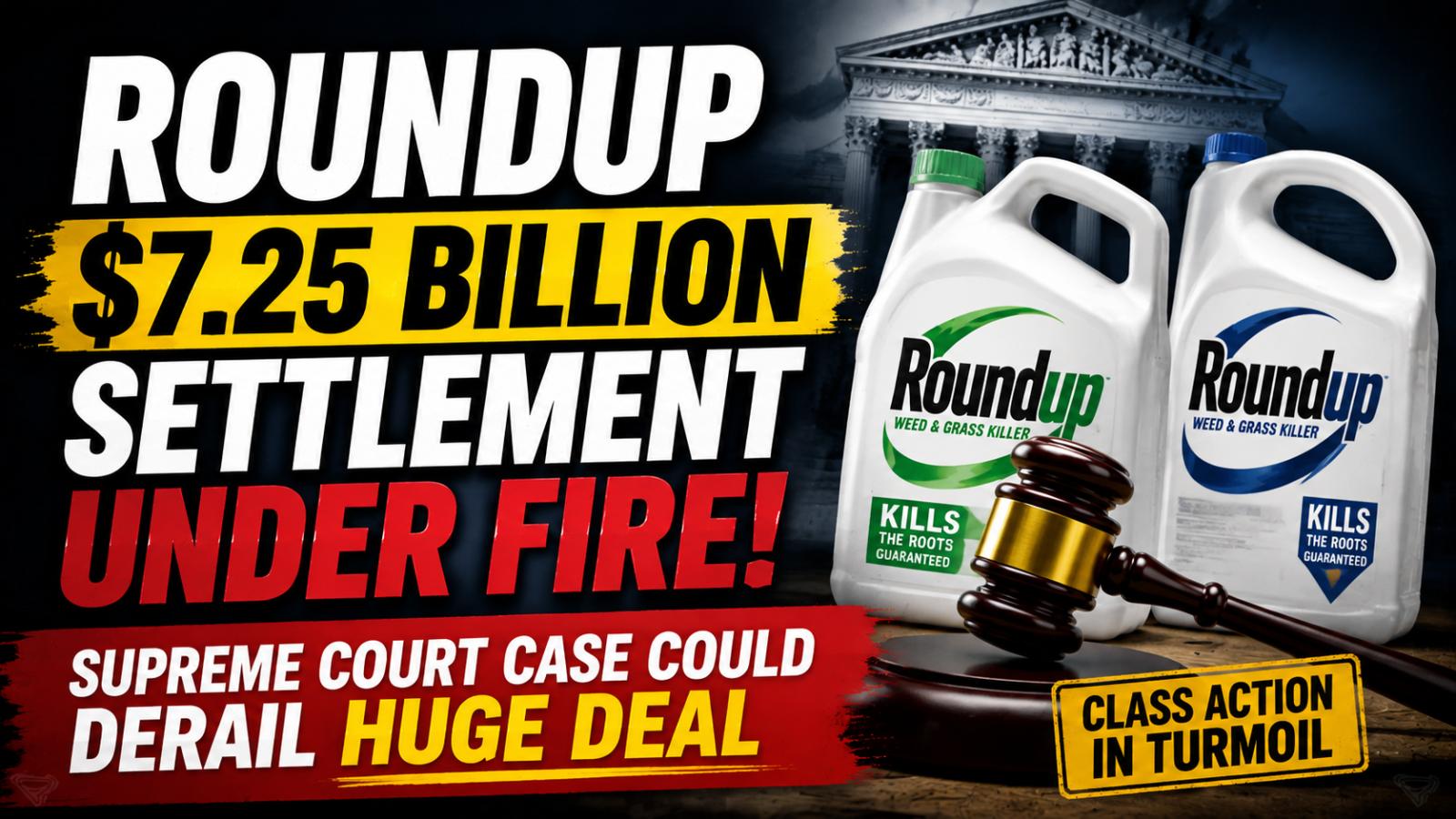
Roundup Lawyers Challenge $7.25 Billion Settlement
Lawyers representing plaintiffs in a Supreme Court case concerning Roundup are attempting to derail a pending $7.25 billion class-action settlement. The settlement, which would resolve thousands of lawsuits against Bayer, the company that acquired Monsanto in 2018, is being criticized by some attorneys as overly favorable to the company while inadequately compensating people who claim the weed killer caused cancer.
Legal Maneuvers and Delays
On May 22, lawyers filed motions to move the case from state to federal court, arguing that a judge critical of the settlement should oversee it. These actions are expected to delay the June 4 deadline for Roundup users to decide on participating in the settlement. Plaintiffs’ attorneys argue that the settlement was designed to pressure victims into accepting compensation before the Supreme Court can rule on whether failure-to-warn claims are valid.
Supreme Court Review
The Supreme Court is currently reviewing the case, with a decision expected by early July. During the April oral arguments, justices gave no clear indication of their leanings. This uncertainty complicates decisions for plaintiffs considering the settlement. Bayer has emphasized that both the Supreme Court and the pending settlement would limit future lawsuits and has also pushed for legislation to shield the company from further liability.
Company and Plaintiffs’ Perspectives
Attorney Ashley Keller described the settlement timeline as a tactic to maximize uncertainty and pressure victims, stating it “extinguishes the rights of tens of thousands of cancer victims.” Conversely, Christopher Seeger, who helped negotiate the settlement, dismissed the objections as a “baseless delay tactic” and emphasized the settlement provides a guaranteed path to compensation. Bayer’s spokesperson added the company intends to maintain the class action in state court, where the majority of claims have been filed.
Regulatory Context
The Environmental Protection Agency has not determined that Roundup poses a cancer risk and does not require a warning label. The Supreme Court will decide whether users who developed cancer can sue under state laws governing dangerous products. The outcome of the Court’s ruling could significantly affect the legal landscape for pesticide liability and ongoing Roundup-related claims.