What the Semiquincentennial means
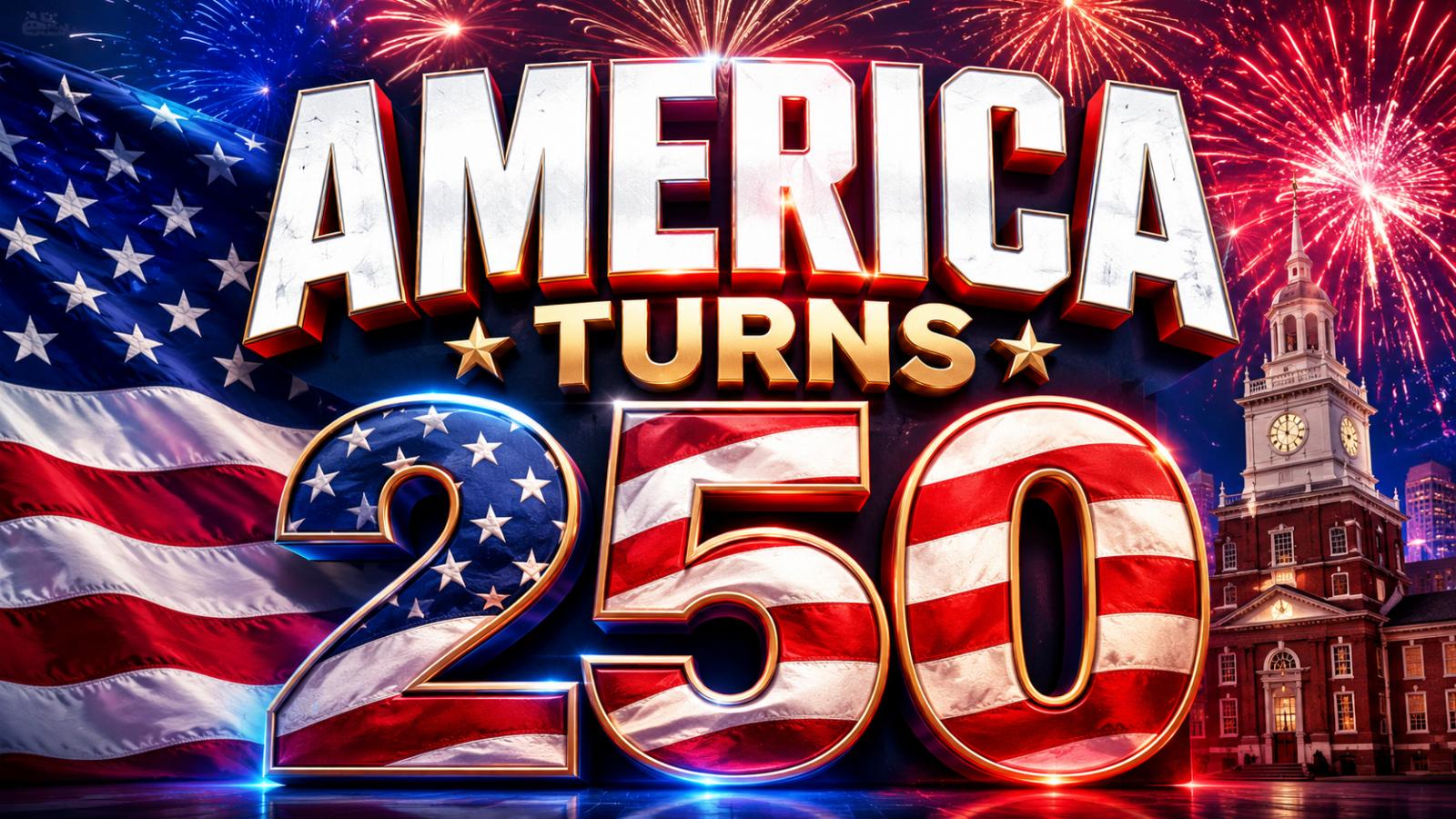
The United States is marking its Semiquincentennial on July 4, 2026, the 250th anniversary of the adoption of the Declaration of Independence in 1776. The term refers to a 250th anniversary and is being used to describe the country’s two-and-a-half-century milestone. The national commemoration is linked to America250, the official effort created to recognise the anniversary across the country, with events and programs focused on history, civic life and national reflection.
Why July 4 became America’s birthday
The anniversary traces back to Philadelphia, where the Second Continental Congress adopted the Declaration of Independence on July 4, 1776. The document announced that the thirteen American colonies were separating from British rule and claimed the right to form a new nation. Although Thomas Jefferson is remembered as the main writer, the declaration was reviewed by a committee and approved by colonial representatives. Its adoption later became the foundation for Independence Day and one of the most recognised dates in US history.
A milestone rooted in revolution
The road to independence began years before 1776. After the French and Indian War ended in 1763, Britain imposed taxes and policies on its American colonies to recover costs and tighten control. Measures such as the Stamp Act of 1765 and later trade duties angered colonists, who argued that they were being taxed without representation in Parliament. Those disputes grew into a wider debate over rights, self-government and political authority, eventually leading to the break from Britain.
A national moment of reflection
The Semiquincentennial is more than a birthday celebration. It gives Americans an opportunity to reflect on the founding principles of liberty, democracy and self-governance while also examining how those ideals have evolved over 250 years. Celebrations are expected across all 50 states, with historic cities such as Philadelphia, Washington, DC and Boston playing major roles in public events, exhibitions and commemorations. The milestone connects national pride with a broader question: how the United States understands its past and defines its future.