





















What is the US Semiquincentennial?
What the Semiquincentennial means The United States is marking its Semiquincentennial on July 4, 2026, the 250th anniversary of the adoption of the Declaration of Independence in 1776. The term refers to a 250th anniversary and is being used to describe the country’s two-and-a-half-century milestone. The national commemoration is linked to America250, the official effort created to recognise the anniversary across the country, with events a
What is the US Semiquincentennial?
What the Semiquincentennial means The United States is marking its Semiquincentennial on July 4, 2026, the 250th anniversary of the adoption of the Declaration of Independence in 1776. The term refers to a 250th anniversary and is being used to describe the country’s two-and-a-half-century milestone. The national commemoration is linked to America250, the official effort created to recognise the anniversary across the country, with events a
Public sentiment shifts as US founders poll shows concern
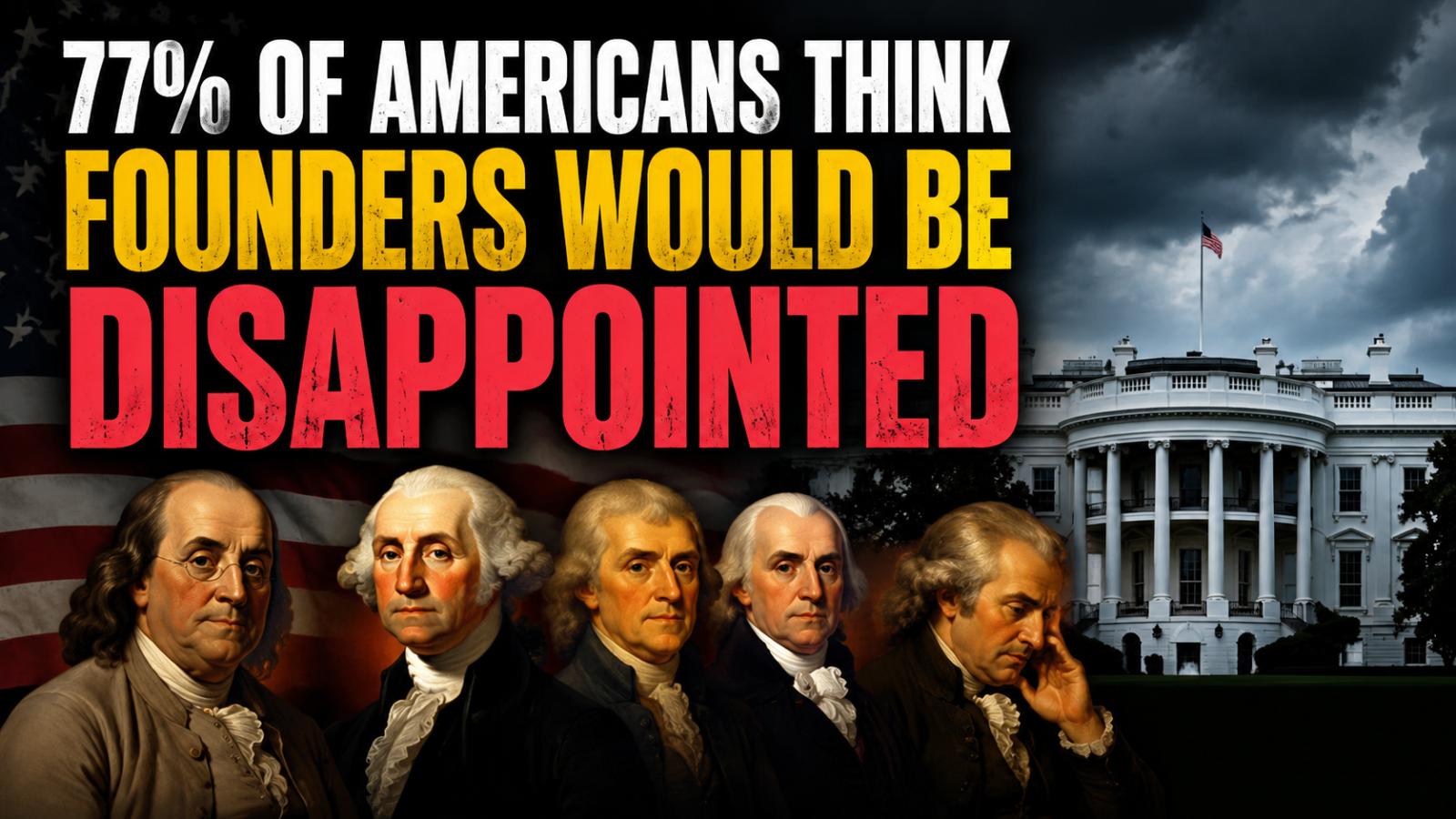
A recent Gallup survey points to a noticeable shift in how Americans view the country’s long-term direction. A large majority of respondents believe the original founders of the United States would not be satisfied with how the nation has developed as it moves closer to 250 years of independence. The findings highlight a broader sense of uncertainty around civic direction and institutional confidence. Strong majority signals dissatisfaction According to the survey results, roughly 77% of adults feel that the nation has drifted away from the principles associated with its founding era. Only a small portion believe the founders would view the country positively today. The imbalance in responses reflects a clear dominance of dissatisfaction rather than divided optimism. Political identity shapes perception The responses vary significantly depending on political affiliation. People aligned with Republican views show relatively higher optimism compared to others, while Democrats are more likely to express disappointment in current national conditions. Independent respondents fall between the two groups, but overall sentiment across all categories leans toward concern rather than approval. This suggests that dissatisfaction is not confined to a single ideological group but is spread across the spectrum. Younger adults show sharper criticism Age plays an equally important role in shaping opinions. Younger adults are more likely to question whether the country has fulfilled its founding ideals, while older groups tend to express slightly more confidence in national progress over time. This generational gap highlights a difference in expectations, with younger respondents showing lower trust in institutional outcomes. Mixed perception of national progress Despite the dominant view of disappointment, a portion of respondents still acknowledge measurable progress over time. Some believe the country has achieved at least a fair level of alignment with its founding principles, even if perfection remains out of reach. However, this recognition does not outweigh the broader concern reflected in the overall numbers. Broader implications of the findings The results point toward a country navigating contrasting perceptions of identity and progress. While historical pride remains present, it is increasingly accompanied by questions about direction, governance, and shared national values. The survey reflects not just political opinion, but a wider conversation about trust, expectations, and the future trajectory of American civic life.
Public sentiment shifts as US founders poll shows concern
A recent Gallup survey points to a noticeable shift in how Americans view the country’s long-term direction. A large majority of respondents believe the original founders of the United States would not be satisfied with how the nation has developed as it moves closer to 250 years of independence. The findings highlight a broader sense of uncertainty around civic direction and institutional confidence. Strong majority signals dissatisfaction According to the survey results, roughly 77% of adults feel that the nation has drifted away from the principles associated with its founding era. Only a small portion believe the founders would view the country positively today. The imbalance in responses reflects a clear dominance of dissatisfaction rather than divided optimism. Political identity shapes perception The responses vary significantly depending on political affiliation. People aligned with Republican views show relatively higher optimism compared to others, while Democrats are more likely to express disappointment in current national conditions. Independent respondents fall between the two groups, but overall sentiment across all categories leans toward concern rather than approval. This suggests that dissatisfaction is not confined to a single ideological group but is spread across the spectrum. Younger adults show sharper criticism Age plays an equally important role in shaping opinions. Younger adults are more likely to question whether the country has fulfilled its founding ideals, while older groups tend to express slightly more confidence in national progress over time. This generational gap highlights a difference in expectations, with younger respondents showing lower trust in institutional outcomes. Mixed perception of national progress Despite the dominant view of disappointment, a portion of respondents still acknowledge measurable progress over time. Some believe the country has achieved at least a fair level of alignment with its founding principles, even if perfection remains out of reach. However, this recognition does not outweigh the broader concern reflected in the overall numbers. Broader implications of the findings The results point toward a country navigating contrasting perceptions of identity and progress. While historical pride remains present, it is increasingly accompanied by questions about direction, governance, and shared national values. The survey reflects not just political opinion, but a wider conversation about trust, expectations, and the future trajectory of American civic life.
Federal Judge Keeps Trump’s $1.8 Billion Fund Blocked
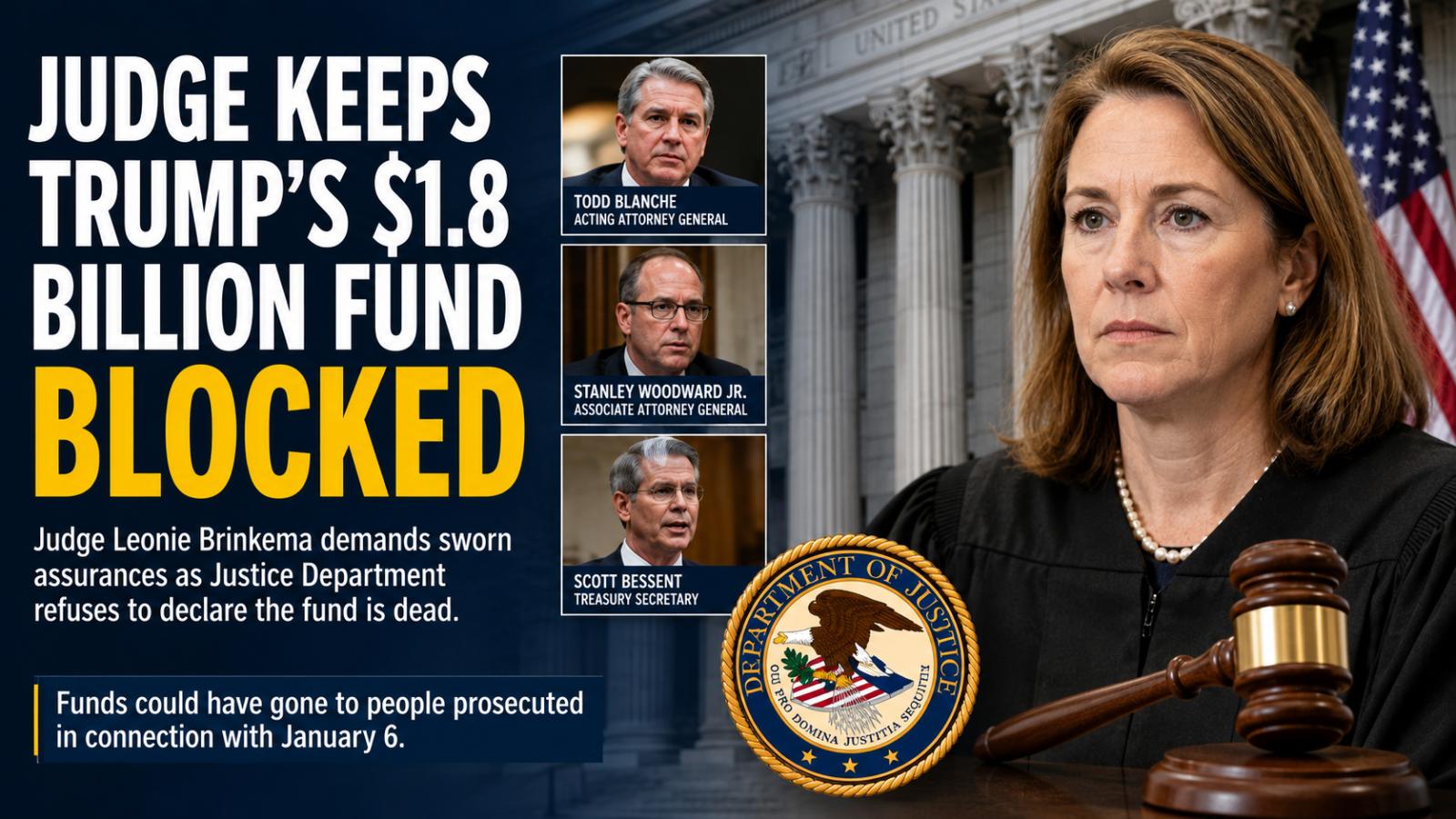
ALEXANDRIA, Va. — A federal judge has kept the Trump administration’s proposed $1.776 billion Anti-Weaponization Fund on hold after senior officials declined to provide sworn assurances that the program had been abandoned. U.S. District Judge Leonie M. Brinkema issued a preliminary injunction on Friday, June 12, 2026, barring the Justice and Treasury departments from creating, financing or operating the fund. The order
Federal Judge Keeps Trump’s $1.8 Billion Fund Blocked
ALEXANDRIA, Va. — A federal judge has kept the Trump administration’s proposed $1.776 billion Anti-Weaponization Fund on hold after senior officials declined to provide sworn assurances that the program had been abandoned. U.S. District Judge Leonie M. Brinkema issued a preliminary injunction on Friday, June 12, 2026, barring the Justice and Treasury departments from creating, financing or operating the fund. The order
N. Ravi Calls For Stronger Media Freedom Environment In India
N. Ravi’s Media Freedom Call Puts Spotlight On Free Press Veteran journalist N. Ravi has said that this is the time to create an ideal environment for media freedom, bringing renewed attention to the importance of independent journalism in India. His statement has become significant at a time when public trust, editorial freedom and responsible reporting are central to the national media debate.
N. Ravi Calls For Stronger Media Freedom Environment In India
N. Ravi’s Media Freedom Call Puts Spotlight On Free Press Veteran journalist N. Ravi has said that this is the time to create an ideal environment for media freedom, bringing renewed attention to the importance of independent journalism in India. His statement has become significant at a time when public trust, editorial freedom and responsible reporting are central to the national media debate.
Statue of Liberty remains a powerful symbol of freedom in New York
The Statue of Liberty is one of the most famous monuments in the world and stands on Liberty Island in New York Harbor. This statue of liberty history begins with a gift from France to the United States, but its meaning is much bigger than a gift. It is a symbol of freedom, democracy, hope and immigration. For visitors, the statue of liberty location is important because it stands near Ellis Island, where millions of immigrants once arrived in America. Today, the site remains a major tourist
Statue of Liberty remains a powerful symbol of freedom in New York
The Statue of Liberty is one of the most famous monuments in the world and stands on Liberty Island in New York Harbor. This statue of liberty history begins with a gift from France to the United States, but its meaning is much bigger than a gift. It is a symbol of freedom, democracy, hope and immigration. For visitors, the statue of liberty location is important because it stands near Ellis Island, where millions of immigrants once arrived in America. Today, the site remains a major tourist
India Rejects Dutch PM Remarks on Democracy
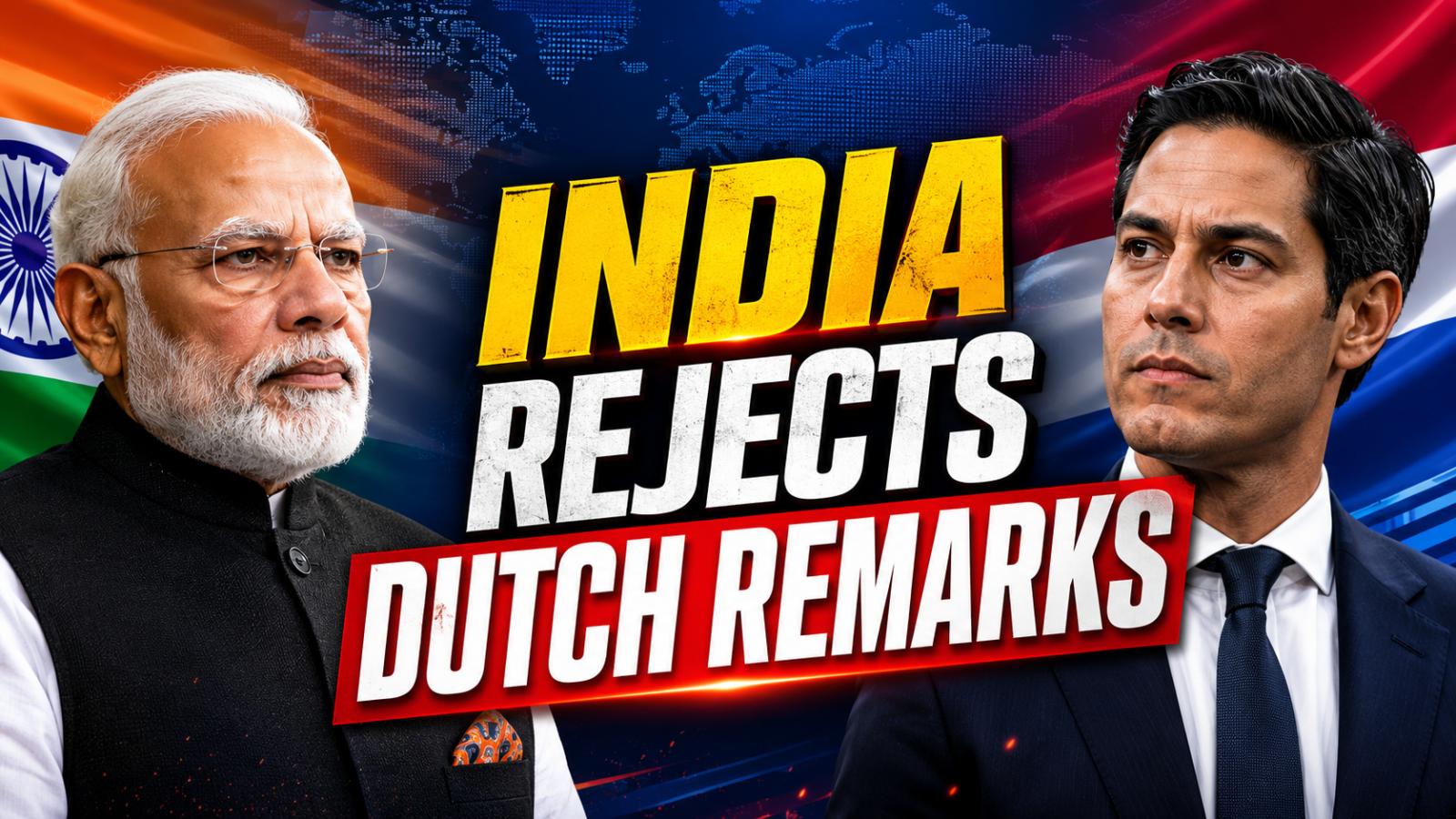
India has strongly rejected reported comments made by Dutch Prime Minister Rob Jetten on press freedom and minority rights, saying such remarks do not reflect a proper understanding of India’s democratic system, social diversity and constitutional values. The response came during Prime Minister Narendra Modi’s visit to the Netherlands. Speaking in The Hague, MEA Secretary West Sibi George defended India’s record on democracy, elections, minority rights and development, making
India Rejects Dutch PM Remarks on Democracy
India has strongly rejected reported comments made by Dutch Prime Minister Rob Jetten on press freedom and minority rights, saying such remarks do not reflect a proper understanding of India’s democratic system, social diversity and constitutional values. The response came during Prime Minister Narendra Modi’s visit to the Netherlands. Speaking in The Hague, MEA Secretary West Sibi George defended India’s record on democracy, elections, minority rights and development, making
Peter Magyar Sworn In as Hungary PM, Ending Viktor Orban’s 16-Year Rule
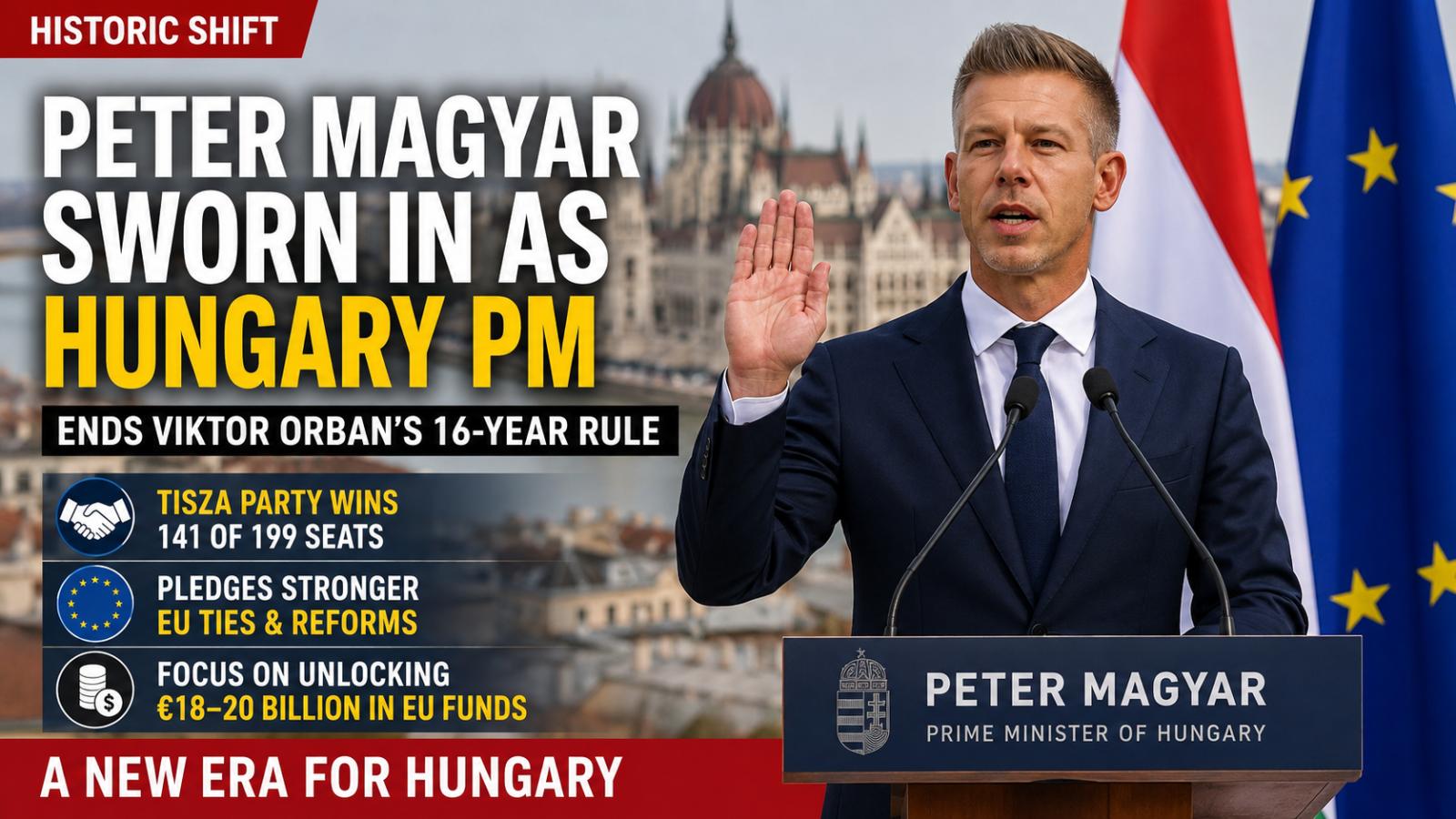
Peter Magyar Becomes Hungary PM After Historic Orban Defeat Peter Magyar was sworn in as Hungary’s new prime minister in Budapest on Saturday, May 9, 2026, ending Viktor Orban’s 16-year rule and opening one of Hungary’s biggest political shifts since the fall of communism. Magyar’s centre-right Tisza Party won 141 of 199 parliamentary seats, giving it a powerful two-thirds majority and a mandate to reshape Hungary’s political system. Why Magyar’s Victory Matters The result marks a sharp turn for Hungary after years of tension with the European Union over rule of law, corruption concerns and democratic checks. Magyar has pledged to rebuild trust with Brussels, strengthen institutions and unlock billions in frozen EU funds. The EU flag’s return inside Hungary’s parliament added symbolic weight to the transition, signaling a possible reset in Budapest’s relationship with Europe. Major Challenges Ahead Magyar inherits a strained economy, a widening budget deficit and deep political divisions after the Orban era. He has also urged several Orban-appointed officials, including President Tamás Sulyok, to resign before the end of May 2026. In his inaugural message, Magyar framed the election as more than a change of government, calling it a public demand for reform, accountability and a more hopeful future for Hungary.
Peter Magyar Sworn In as Hungary PM, Ending Viktor Orban’s 16-Year Rule
Peter Magyar Becomes Hungary PM After Historic Orban Defeat Peter Magyar was sworn in as Hungary’s new prime minister in Budapest on Saturday, May 9, 2026, ending Viktor Orban’s 16-year rule and opening one of Hungary’s biggest political shifts since the fall of communism. Magyar’s centre-right Tisza Party won 141 of 199 parliamentary seats, giving it a powerful two-thirds majority and a mandate to reshape Hungary’s political system. Why Magyar’s Victory Matters The result marks a sharp turn for Hungary after years of tension with the European Union over rule of law, corruption concerns and democratic checks. Magyar has pledged to rebuild trust with Brussels, strengthen institutions and unlock billions in frozen EU funds. The EU flag’s return inside Hungary’s parliament added symbolic weight to the transition, signaling a possible reset in Budapest’s relationship with Europe. Major Challenges Ahead Magyar inherits a strained economy, a widening budget deficit and deep political divisions after the Orban era. He has also urged several Orban-appointed officials, including President Tamás Sulyok, to resign before the end of May 2026. In his inaugural message, Magyar framed the election as more than a change of government, calling it a public demand for reform, accountability and a more hopeful future for Hungary.
Japan’s Strict Election Laws Ban Door Campaigning, Limit Polls
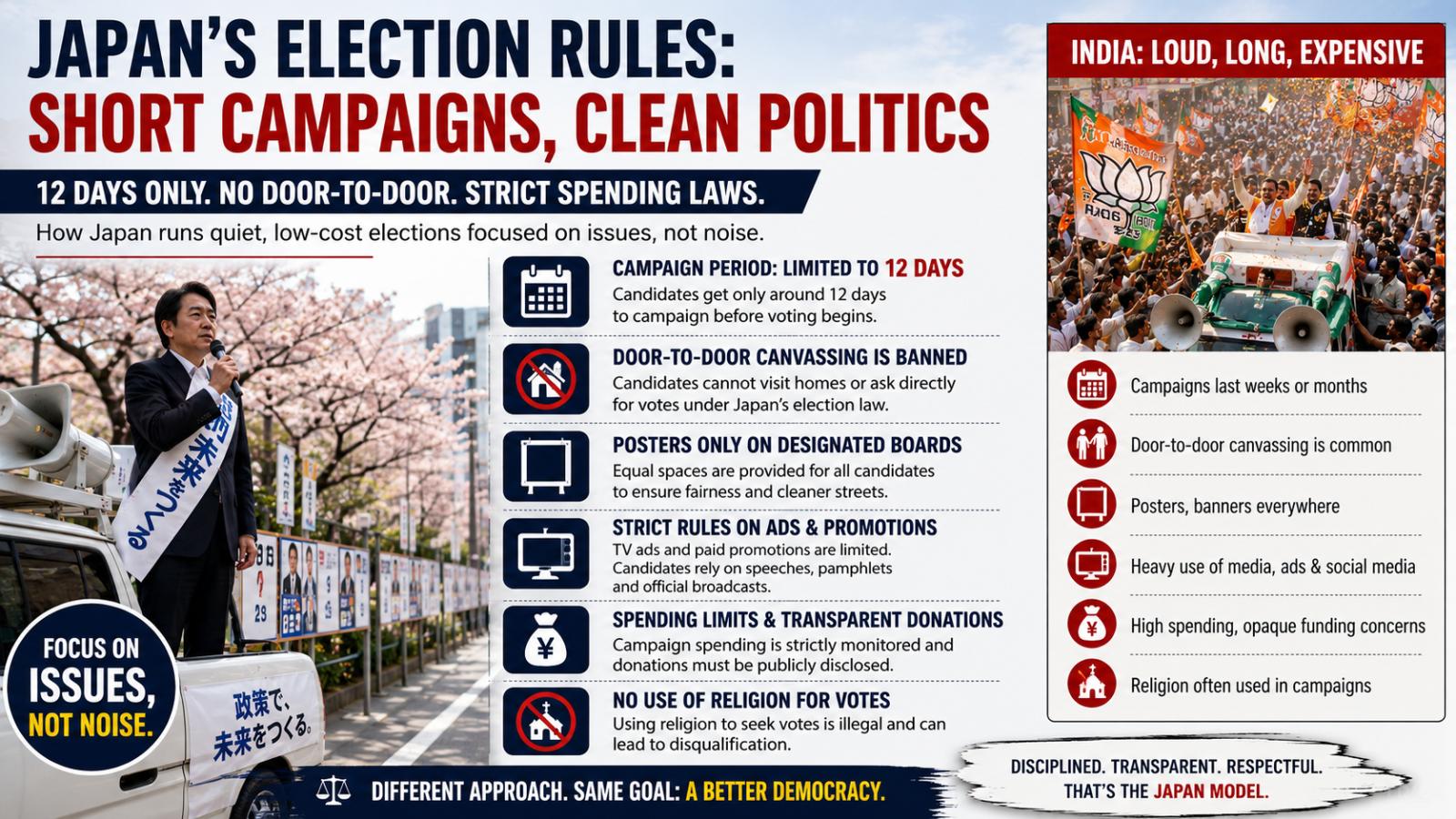
How Japan Keeps Election Campaigns Short and Quiet Japan’s election system is drawing global attention for its unusually strict campaign rules that limit election periods to just 12 days and ban door-to-door canvassing entirely. The model stands in sharp contrast to the high-decibel political culture seen in countries like India and the United States. Under Japan’s Public Offices Election Law, candidates are not allowed to personally visit homes aski
Japan’s Strict Election Laws Ban Door Campaigning, Limit Polls
How Japan Keeps Election Campaigns Short and Quiet Japan’s election system is drawing global attention for its unusually strict campaign rules that limit election periods to just 12 days and ban door-to-door canvassing entirely. The model stands in sharp contrast to the high-decibel political culture seen in countries like India and the United States. Under Japan’s Public Offices Election Law, candidates are not allowed to personally visit homes aski
Mamata Banerjee rejects resignation despite TMC loss in assembly elections
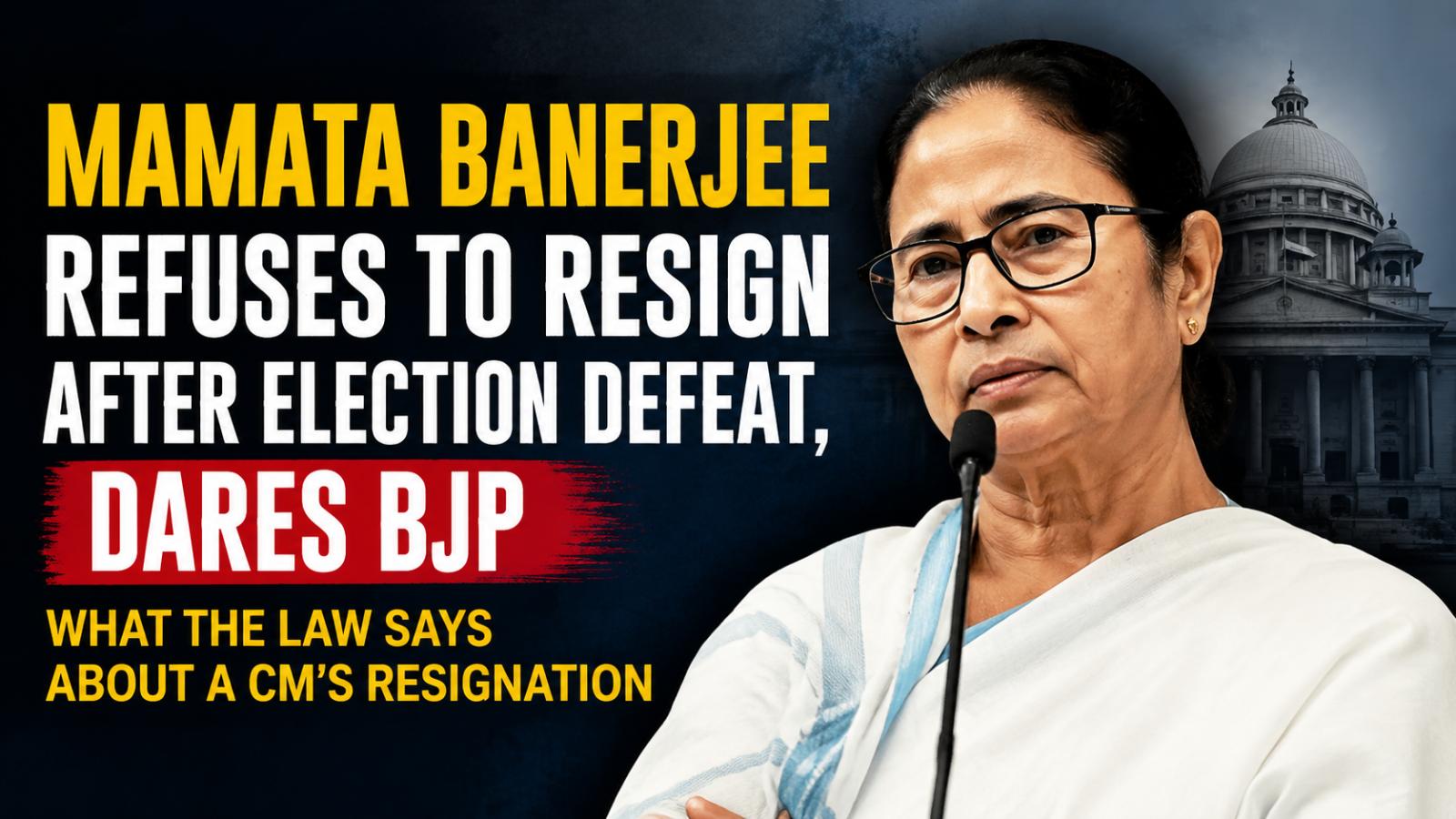
West Bengal Chief Minister Mamata Banerjee has firmly rejected calls to resign following the defeat of her party, Trinamool Congress (TMC), in the recent West Bengal Assembly Elections. Despite the electoral setback, Banerjee has declared that she will not step down, describing the demand for her resignation as a "symbolic protest." The TMC leader made these remarks during a closed-door party meeting with senior party leaders and newly elected MLAs on May 6. Banerjee added that she would not
Mamata Banerjee rejects resignation despite TMC loss in assembly elections
West Bengal Chief Minister Mamata Banerjee has firmly rejected calls to resign following the defeat of her party, Trinamool Congress (TMC), in the recent West Bengal Assembly Elections. Despite the electoral setback, Banerjee has declared that she will not step down, describing the demand for her resignation as a "symbolic protest." The TMC leader made these remarks during a closed-door party meeting with senior party leaders and newly elected MLAs on May 6. Banerjee added that she would not
World Press Freedom Day Highlights Importance of Independent Journalism
World Press Freedom Day, observed annually on May 3, serves as a global reminder of the critical role that independent journalism plays in maintaining democratic values and ensuring access to accurate information. The day highlights the need to protect media rights, promote ethical reporting, and safeguard journalists who work to inform the public, often under challenging and risky conditions. A free press is widely regarded as a cornerstone of democracy, enabling
World Press Freedom Day Highlights Importance of Independent Journalism
World Press Freedom Day, observed annually on May 3, serves as a global reminder of the critical role that independent journalism plays in maintaining democratic values and ensuring access to accurate information. The day highlights the need to protect media rights, promote ethical reporting, and safeguard journalists who work to inform the public, often under challenging and risky conditions. A free press is widely regarded as a cornerstone of democracy, enabling
What did King Charles III say in Congress? He honored history and condemned violence
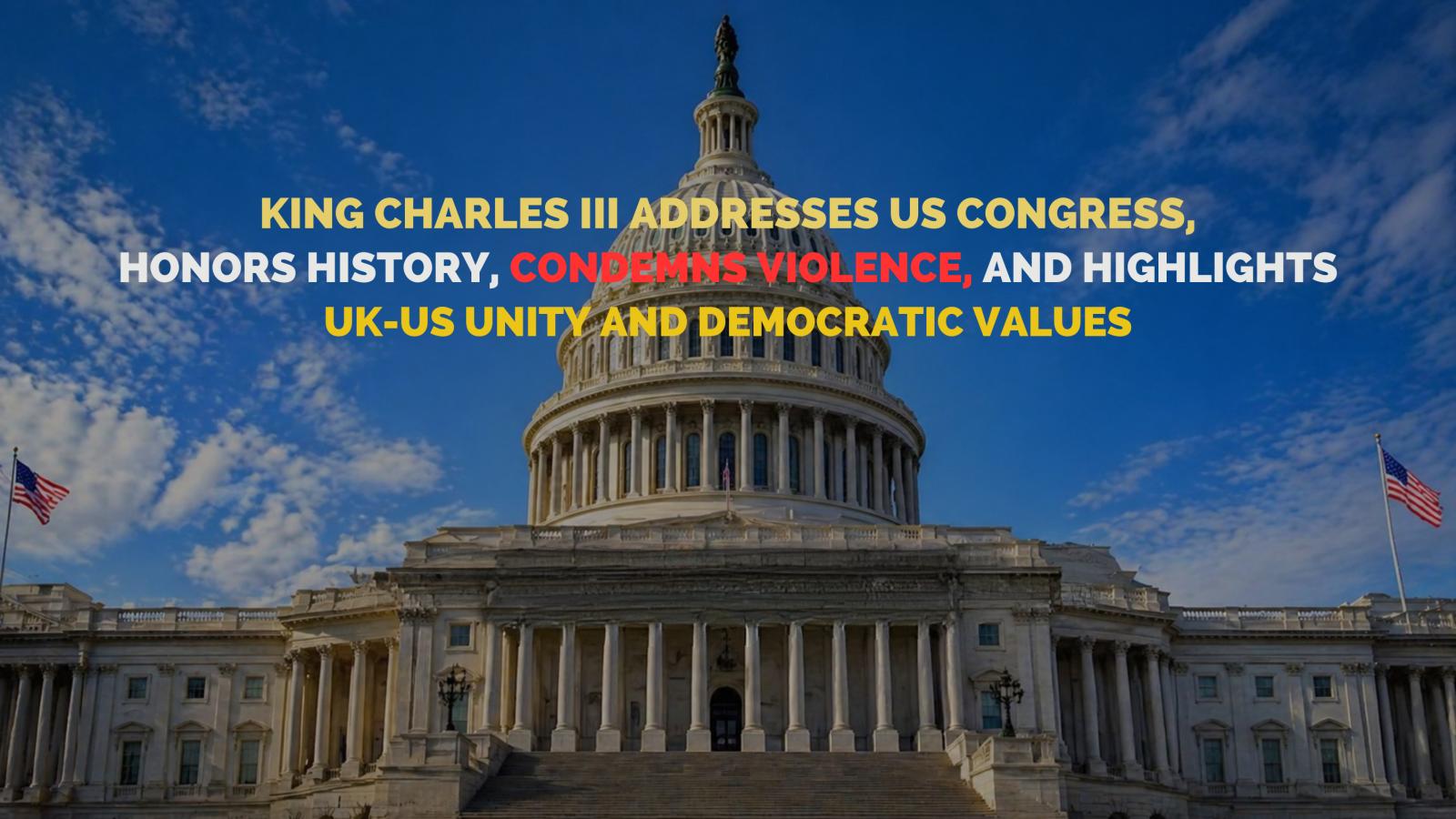
What did King Charles III say in Congress? He honored history and condemned violence— King Charles III opened his address to the United States Congress with a deeply personal tribute to his late mother, Queen Elizabeth II, recalling her historic 1991 speech delivered in the same chamber beneath the Statue of Freedom. Speaking with respect for the institution, he described Congress as a “citadel of democracy” representing the voices and rights of the American people, emphasizing the signifi
What did King Charles III say in Congress? He honored history and condemned violence
What did King Charles III say in Congress? He honored history and condemned violence— King Charles III opened his address to the United States Congress with a deeply personal tribute to his late mother, Queen Elizabeth II, recalling her historic 1991 speech delivered in the same chamber beneath the Statue of Freedom. Speaking with respect for the institution, he described Congress as a “citadel of democracy” representing the voices and rights of the American people, emphasizing the signifi
Pahalgam Victims Honored at Capitol Hill Exhibition on Terror Impact
One year after the deadly attack in Pahalgam, India has taken its message on terrorism to a global stage through an exhibition at Capitol Hill in Washington, organized by the Embassy of India, Washington, D.C.. The event, titled “The Human Cost of Terrorism,” was held to commemorate the victims and highlight the lasting impact of violence on civilians. The attack, which took place on Ap
Pahalgam Victims Honored at Capitol Hill Exhibition on Terror Impact
One year after the deadly attack in Pahalgam, India has taken its message on terrorism to a global stage through an exhibition at Capitol Hill in Washington, organized by the Embassy of India, Washington, D.C.. The event, titled “The Human Cost of Terrorism,” was held to commemorate the victims and highlight the lasting impact of violence on civilians. The attack, which took place on Ap
Hungary voters deliver surprise win to opposition leader Peter Magyar
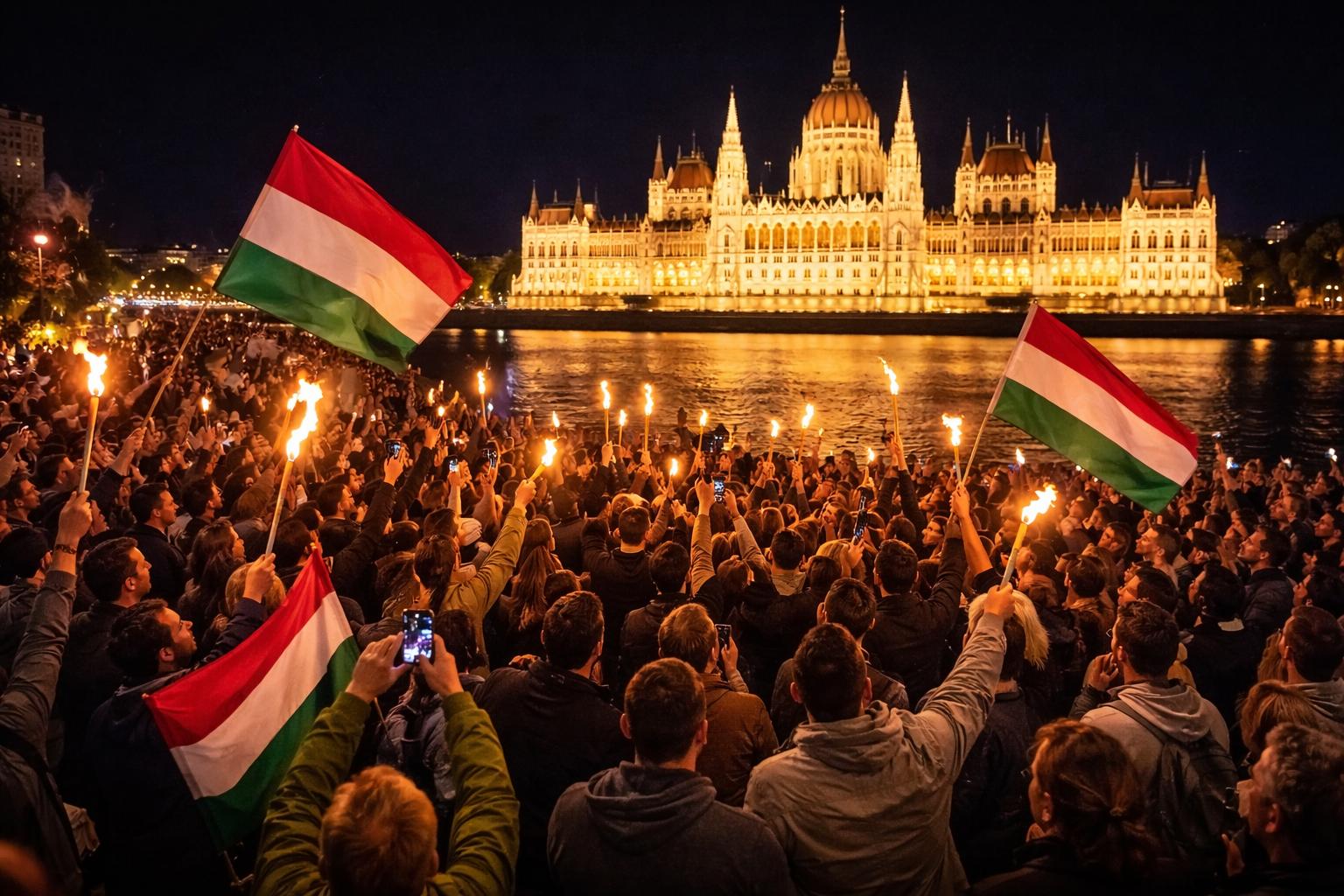
Hungary experienced a dramatic political shift following its national elections held on Sunday, as Prime Minister Viktor Orban conceded defeat after a decisive loss to opposition leader Peter Magyar. The outcome triggered widespread celebrations across the capital, Budapest, with large crowds gathering along
Hungary voters deliver surprise win to opposition leader Peter Magyar
Hungary experienced a dramatic political shift following its national elections held on Sunday, as Prime Minister Viktor Orban conceded defeat after a decisive loss to opposition leader Peter Magyar. The outcome triggered widespread celebrations across the capital, Budapest, with large crowds gathering along
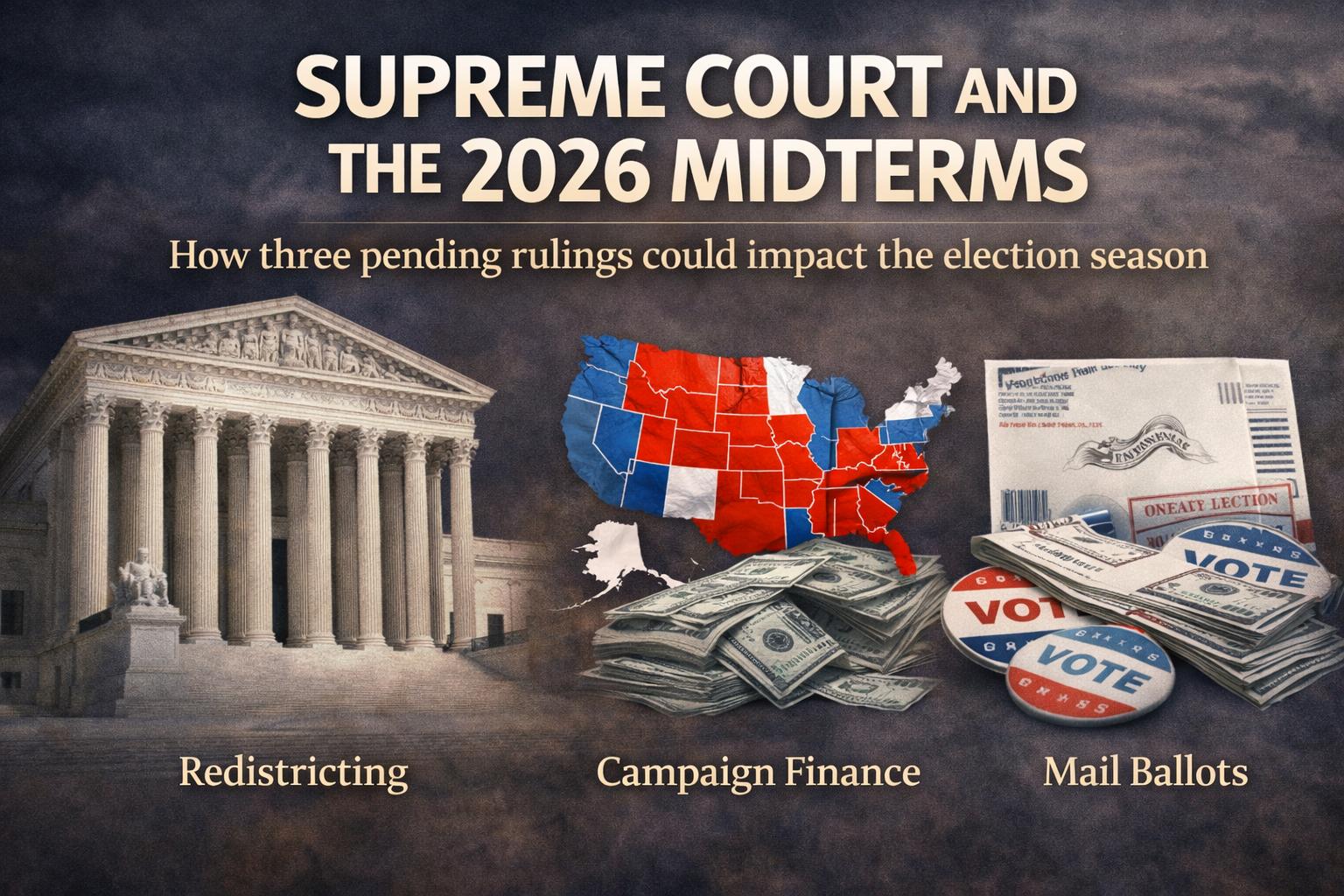
Supreme Court cases could reshape 2026 midterm election rules
Three pending cases before the Supreme Court of the United States could significantly alter the framework of the 2026 midterm elections, with potential changes to redistricting, campaign finance, and mail-in ballot rules. Legal analysts warn that decisions issued close to the election season may create confusion for voters, strain election systems, and disrupt campaign strategies nationwide.
Supreme Court cases could reshape 2026 midterm election rules
Three pending cases before the Supreme Court of the United States could significantly alter the framework of the 2026 midterm elections, with potential changes to redistricting, campaign finance, and mail-in ballot rules. Legal analysts warn that decisions issued close to the election season may create confusion for voters, strain election systems, and disrupt campaign strategies nationwide.
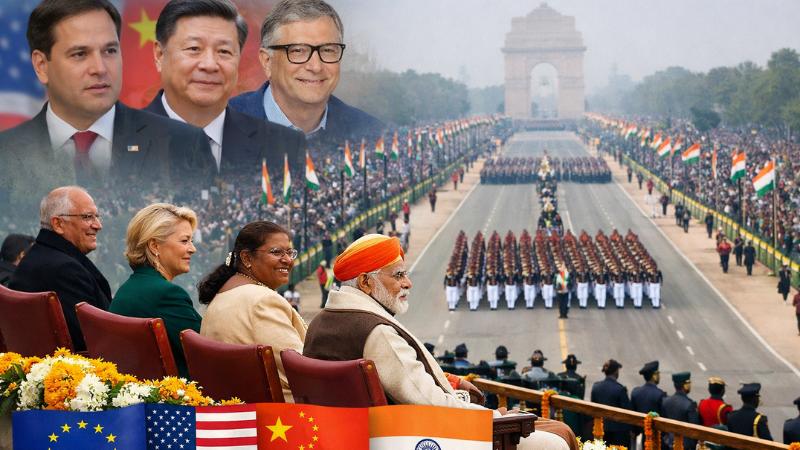
Global leaders extend Republic Day greetings as India marks 77 years as a republic
India’s 77th Republic Day was marked on Monday, January 26, 2026, with a wide range of greetings from global leaders and prominent international figures, reflecting the country’s growing diplomatic influence and expanding partnerships across regions. Messages from political leaders, senior officials, and business figures highlighted shared democratic values, strategic cooperation, and the importance of dialogue in an increasingly complex global environment. The Republic Day cele
Global leaders extend Republic Day greetings as India marks 77 years as a republic
India’s 77th Republic Day was marked on Monday, January 26, 2026, with a wide range of greetings from global leaders and prominent international figures, reflecting the country’s growing diplomatic influence and expanding partnerships across regions. Messages from political leaders, senior officials, and business figures highlighted shared democratic values, strategic cooperation, and the importance of dialogue in an increasingly complex global environment. The Republic Day cele
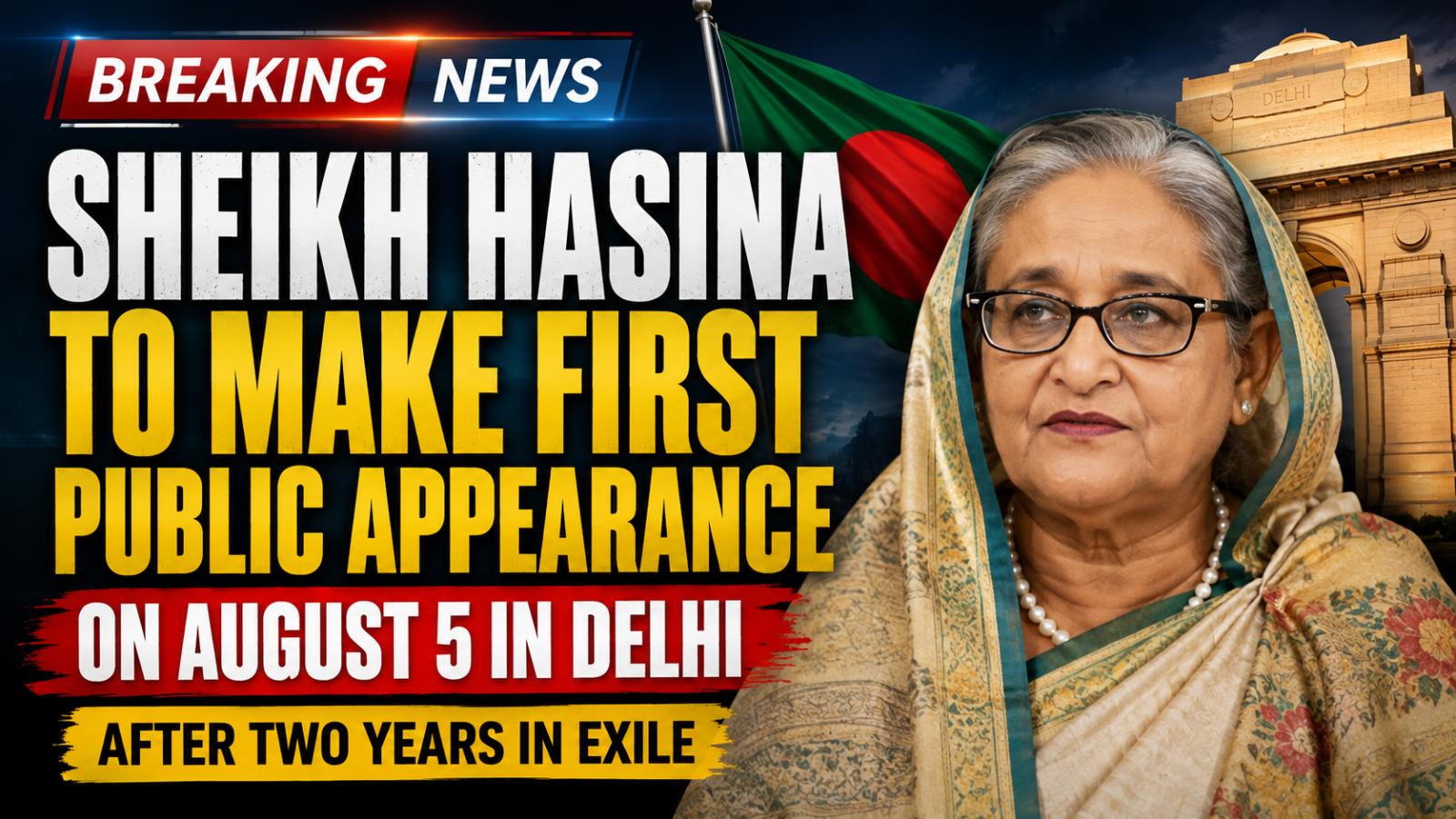
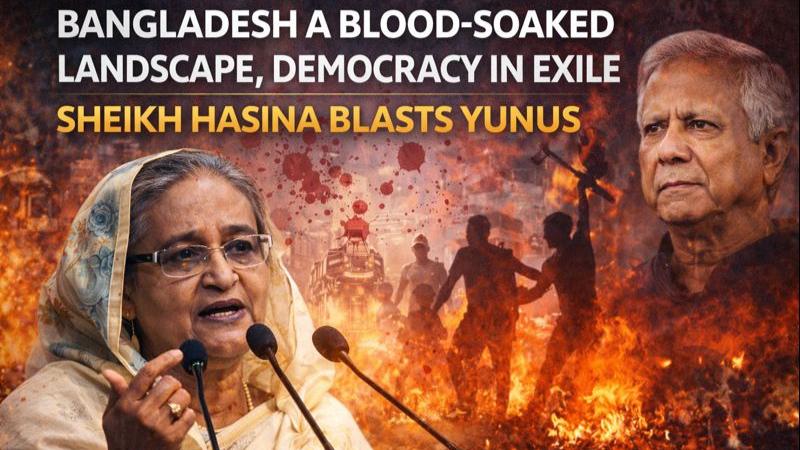
Sheikh Hasina Accuses Yunus Government of Turning Bangladesh Into a Blood-Soaked Landscape
Sheikh Hasina, the former Prime Minister of Bangladesh, has launched a scathing attack on the interim administration led by Nobel laureate Muhammad Yunus, accusing it of plunging the country into "murderous anarchy." In an audio message played at an interactive session organized by the Foreign Correspondents' Club of South Asia, Hasina described the state of Bangladesh as a "blood-soaked landscape" where democracy is now "in exile." She painted a grim picture of the country, once known for its peace and prosperity, now grappling with extreme violence, fear, and destruction. Hasina, who was ousted from power in August 2024 following violent protests and is currently living in exile in India, blamed Yunus and his government for the worsening situation in Bangladesh. She accused Yunus of taking power through a conspiracy, which led to widespread violence, torture, and the unchecked assault on religious minorities, particularly Hindus. The former Prime Minister also criticized Yunus’ government for suppressing freedoms, claiming that the country had become a "vast prison and execution grounds" under the interim administration. As Bangladesh heads toward the general elections in February 2026, Hasina warned of a "legitimacy crisis" if her party, the Awami League, remains banned from contesting. She claimed that law and order had completely collapsed under Yunus’ rule, and the country was in a state of political crisis. Despite Yunus’ promises to restore stability and oversee elections, critics, including Hasina's supporters, allege that the interim government's actions have undermined democratic processes and raised serious concerns over the credibility of the upcoming polls. With deepening political divisions and rising tensions, Hasina’s remarks underscore the challenges Bangladesh faces as it navigates a crucial period in its political history. Her comments on the nation’s future raise significant questions about whether the transition will bring about stability or prolong the ongoing crisis.
Sheikh Hasina Accuses Yunus Government of Turning Bangladesh Into a Blood-Soaked Landscape
Sheikh Hasina, the former Prime Minister of Bangladesh, has launched a scathing attack on the interim administration led by Nobel laureate Muhammad Yunus, accusing it of plunging the country into "murderous anarchy." In an audio message played at an interactive session organized by the Foreign Correspondents' Club of South Asia, Hasina described the state of Bangladesh as a "blood-soaked landscape" where democracy is now "in exile." She painted a grim picture of the country, once known for its peace and prosperity, now grappling with extreme violence, fear, and destruction. Hasina, who was ousted from power in August 2024 following violent protests and is currently living in exile in India, blamed Yunus and his government for the worsening situation in Bangladesh. She accused Yunus of taking power through a conspiracy, which led to widespread violence, torture, and the unchecked assault on religious minorities, particularly Hindus. The former Prime Minister also criticized Yunus’ government for suppressing freedoms, claiming that the country had become a "vast prison and execution grounds" under the interim administration. As Bangladesh heads toward the general elections in February 2026, Hasina warned of a "legitimacy crisis" if her party, the Awami League, remains banned from contesting. She claimed that law and order had completely collapsed under Yunus’ rule, and the country was in a state of political crisis. Despite Yunus’ promises to restore stability and oversee elections, critics, including Hasina's supporters, allege that the interim government's actions have undermined democratic processes and raised serious concerns over the credibility of the upcoming polls. With deepening political divisions and rising tensions, Hasina’s remarks underscore the challenges Bangladesh faces as it navigates a crucial period in its political history. Her comments on the nation’s future raise significant questions about whether the transition will bring about stability or prolong the ongoing crisis.
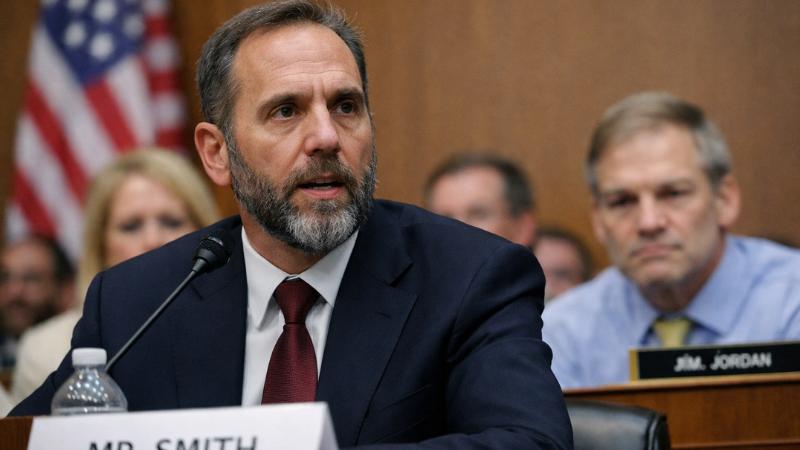
Jack Smith warns of threats to democracy in testimony on Trump cases
Former special counsel Jack Smith appeared publicly before the House Judiciary Committee on Thursday, offering a stark assessment of the state of American democracy and sharply criticizing actions taken by President Donald Trump following his return to office. Smith, who previously led two federal prosecutions involving Trump, warned lawmakers that the failure to impose accountability for attempts to overturn the 2020 presidential election could have lasting and potentially catastrophic consequences. In his testimony, Smith said ongoing threats to US democracy remain unresolved because efforts to challenge the legitimacy of the 2020 election were never fully adjudicated in court. He described the conduct he investigated as criminal in nature and argued that the absence of accountability risks normalizing behavior that undermines constitutional processes. Smith’s remarks framed his past investigations as necessary safeguards rather than political actions, emphasizing that the justice system has a responsibility to confront efforts to subvert lawful elections. Republican lawmakers on the committee rejected that characterization. Chairman Jim Jordan accused Smith and other officials of pursuing Trump through prosecutions, impeachments, and investigations driven by partisan motives. Jordan argued that the cases reflected an effort to “get” Trump rather than a neutral application of the law, a claim Smith disputed during the hearing by reiterating that prosecutorial decisions were based on evidence and legal standards. Smith also delivered pointed criticism of Trump’s decision to issue mass pardons to individuals charged in connection with the January 6, 2021 attack on the US Capitol. On his first day back in office, Trump granted clemency to all defendants in the case, including hundreds who were accused or convicted of assaulting law enforcement officers. Smith said he could not understand why anyone would pardon individuals who attacked police officers, noting that at least 140 officers were injured during the violence, with some requiring hospitalization. He described the officers who defended the Capitol as heroes and said pardoning their attackers sends troubling signals about respect for law enforcement. The hearing also revisited unresolved issues surrounding Smith’s investigation into Trump’s handling of classified documents. Democratic members highlighted limits on Smith’s ability to discuss the findings of that probe due to a court order issued by Aileen Cannon, who presided over the case. Smith explained that the order restricts the Justice Department from releasing or discussing details from his final report while related matters were pending. Under questioning from Vermont Representative Becca Balint, Smith confirmed that the order was imposed when charges against two Trump employees were still active. Those cases were later dismissed by the Justice Department under the Trump administration. Although advocacy groups and media organizations have sought the release of the classified documents report, Cannon ruled in late December that it would remain sealed for now, with a provision allowing limited disclosure beginning in February. Trump has since requested that the restriction be made permanent. Smith’s testimony underscored deep divisions in Washington over accountability, the rule of law, and the legacy of January 6. While Republicans framed the investigations as political overreach, Smith maintained that confronting efforts to overturn an election is essential to preserving democratic institutions. His appearance before Congress marked a rare public defense of the prosecutions he led and a renewed warning that unresolved challenges to democratic norms continue to pose serious risks to the nation.
Jack Smith warns of threats to democracy in testimony on Trump cases
Former special counsel Jack Smith appeared publicly before the House Judiciary Committee on Thursday, offering a stark assessment of the state of American democracy and sharply criticizing actions taken by President Donald Trump following his return to office. Smith, who previously led two federal prosecutions involving Trump, warned lawmakers that the failure to impose accountability for attempts to overturn the 2020 presidential election could have lasting and potentially catastrophic consequences. In his testimony, Smith said ongoing threats to US democracy remain unresolved because efforts to challenge the legitimacy of the 2020 election were never fully adjudicated in court. He described the conduct he investigated as criminal in nature and argued that the absence of accountability risks normalizing behavior that undermines constitutional processes. Smith’s remarks framed his past investigations as necessary safeguards rather than political actions, emphasizing that the justice system has a responsibility to confront efforts to subvert lawful elections. Republican lawmakers on the committee rejected that characterization. Chairman Jim Jordan accused Smith and other officials of pursuing Trump through prosecutions, impeachments, and investigations driven by partisan motives. Jordan argued that the cases reflected an effort to “get” Trump rather than a neutral application of the law, a claim Smith disputed during the hearing by reiterating that prosecutorial decisions were based on evidence and legal standards. Smith also delivered pointed criticism of Trump’s decision to issue mass pardons to individuals charged in connection with the January 6, 2021 attack on the US Capitol. On his first day back in office, Trump granted clemency to all defendants in the case, including hundreds who were accused or convicted of assaulting law enforcement officers. Smith said he could not understand why anyone would pardon individuals who attacked police officers, noting that at least 140 officers were injured during the violence, with some requiring hospitalization. He described the officers who defended the Capitol as heroes and said pardoning their attackers sends troubling signals about respect for law enforcement. The hearing also revisited unresolved issues surrounding Smith’s investigation into Trump’s handling of classified documents. Democratic members highlighted limits on Smith’s ability to discuss the findings of that probe due to a court order issued by Aileen Cannon, who presided over the case. Smith explained that the order restricts the Justice Department from releasing or discussing details from his final report while related matters were pending. Under questioning from Vermont Representative Becca Balint, Smith confirmed that the order was imposed when charges against two Trump employees were still active. Those cases were later dismissed by the Justice Department under the Trump administration. Although advocacy groups and media organizations have sought the release of the classified documents report, Cannon ruled in late December that it would remain sealed for now, with a provision allowing limited disclosure beginning in February. Trump has since requested that the restriction be made permanent. Smith’s testimony underscored deep divisions in Washington over accountability, the rule of law, and the legacy of January 6. While Republicans framed the investigations as political overreach, Smith maintained that confronting efforts to overturn an election is essential to preserving democratic institutions. His appearance before Congress marked a rare public defense of the prosecutions he led and a renewed warning that unresolved challenges to democratic norms continue to pose serious risks to the nation.
Difference Between Independence Day And Republic Day Explained Simply
Aspect Independence Day Republic Day
Difference Between Independence Day And Republic Day Explained Simply
Aspect Independence Day Republic Day
Oil, power and principle: how Guyana reshaped US policy toward Venezuela
For decades, the United States has presented itself as a global guardian of democracy and international law, drawing legitimacy from its own origins in resistance to unchecked authority. Its constitutional structure was designed to restrain executive power, particularly in decisions involving war and foreign intervention. Yet the conduct of contemporary US foreign policy increasingly reflects a different reality, one in which strategic interests and economic leverage often shape moral languag
Oil, power and principle: how Guyana reshaped US policy toward Venezuela
For decades, the United States has presented itself as a global guardian of democracy and international law, drawing legitimacy from its own origins in resistance to unchecked authority. Its constitutional structure was designed to restrain executive power, particularly in decisions involving war and foreign intervention. Yet the conduct of contemporary US foreign policy increasingly reflects a different reality, one in which strategic interests and economic leverage often shape moral languag
Colombia’s President Petro rejects Trump’s drug trafficking allegations and US threats
Colombian President Gustavo Petro has firmly rejected accusations and threats made by US President Donald Trump, following remarks in which Trump alleged that Petro was linked to drug trafficking and suggested he could be targeted in a United States operation. The exchange has further strained diplomatic relations between the two countries and prompted a strong public response from Colombia’s head of state. In a series of posts published on social media platform X on Sunday, Petro
Colombia’s President Petro rejects Trump’s drug trafficking allegations and US threats
Colombian President Gustavo Petro has firmly rejected accusations and threats made by US President Donald Trump, following remarks in which Trump alleged that Petro was linked to drug trafficking and suggested he could be targeted in a United States operation. The exchange has further strained diplomatic relations between the two countries and prompted a strong public response from Colombia’s head of state. In a series of posts published on social media platform X on Sunday, Petro


