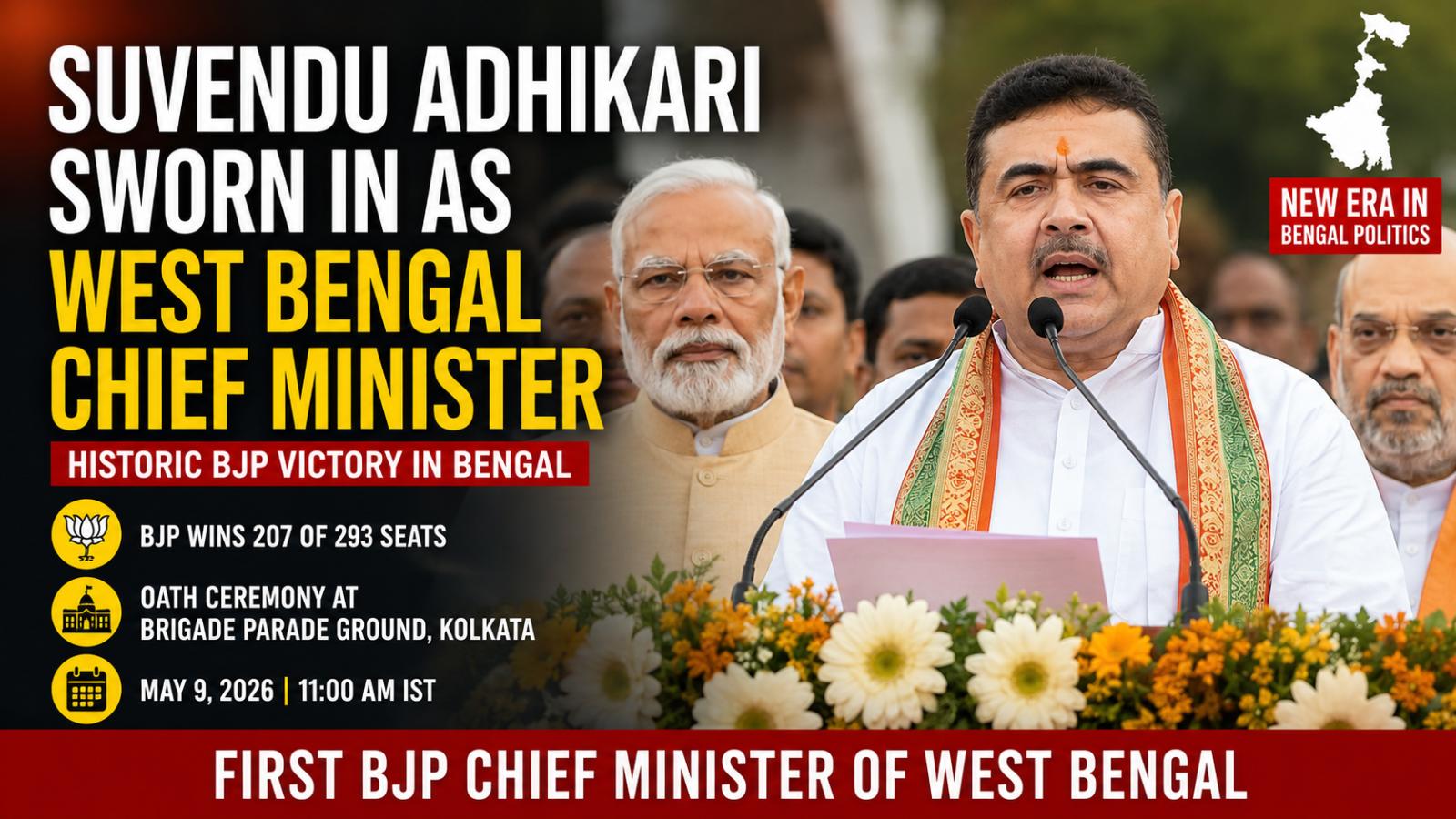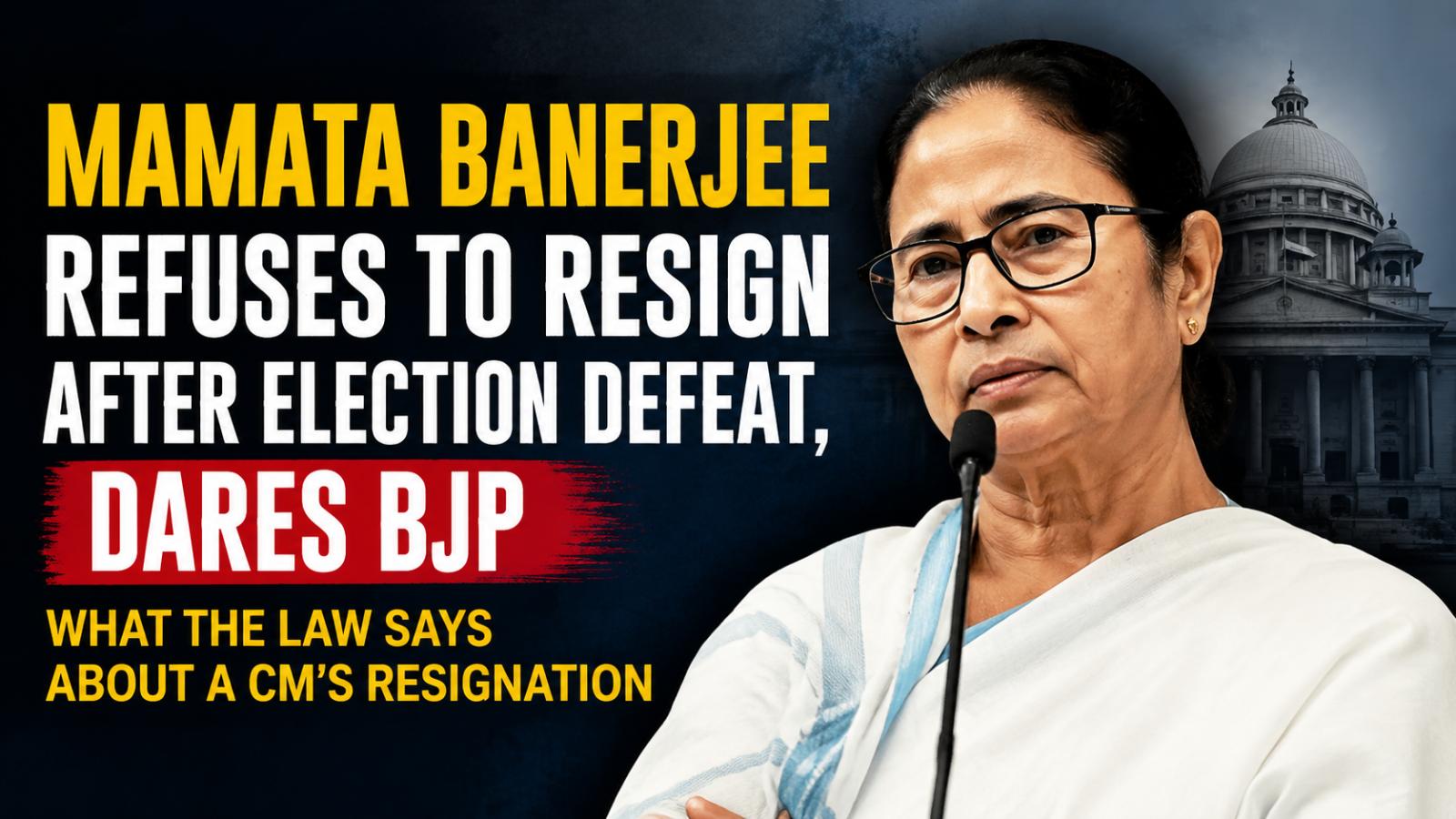
West Bengal Chief Minister Mamata Banerjee has firmly rejected calls to resign following the defeat of her party, Trinamool Congress (TMC), in the recent West Bengal Assembly Elections. Despite the electoral setback, Banerjee has declared that she will not step down, describing the demand for her resignation as a "symbolic protest." The TMC leader made these remarks during a closed-door party meeting with senior party leaders and newly elected MLAs on May 6. Banerjee added that she would not resign voluntarily and even dared the Bharatiya Janata Party (BJP) to impose President’s Rule in the state or dismiss her from her post.
Mamata Banerjee’s challenge to the BJP was clear. She told her party leaders, "Let them impose President's Rule if they want. Let them dismiss me if they want. Let it remain on record as a black day." The statement came after her party suffered defeat in the state assembly elections. Banerjee also mentioned that TMC would seek redress in the Supreme Court over alleged irregularities during the election count.
Earlier, on May 5, Banerjee addressed the media, firmly stating that she would not step down from her position. She expressed her belief that TMC had not lost the election, claiming that the defeat was part of a "calculated attempt" to undermine her party. "Officially, through the Election Commission, they can defeat us, but morally, we won the election," she said. Banerjee also criticized the Chief Election Commissioner, calling him "the villain of this election" and questioning the reliability of the electronic voting machines (EVMs) used in the process.
TMC’s Defiant Stand
TMC leader Kunal Ghosh, the MLA from Beliaghata, referred to Banerjee’s refusal to resign as a "democratic form of dissent." He explained that her stance was a protest against the alleged manipulation of election results in over 100 constituencies during the counting process. "Mamata didi not tendering her resignation is a protest language. It is symbolic. This is a protest against the way the Election Commission allegedly manipulated the results," Ghosh remarked.
Constitutional Role of the Chief Minister
Under the Constitution of India, the office of Chief Minister is based on political legitimacy. The Chief Minister must have the confidence of the majority in the State Legislative Assembly to remain in power. When an election result indicates that the Chief Minister no longer holds a majority, constitutional convention requires them to resign. In such a case, they must submit their resignation, along with that of their Council of Ministers, to the Governor.
If a Chief Minister refuses to step down despite losing majority support, the Governor has the authority to take action. Under Article 164(1) of the Constitution, ministers hold office "during the pleasure of the Governor," meaning that if a Chief Minister loses majority support, the Governor can either invite the leader of the majority party or coalition to form a new government or direct the Assembly to conduct a floor test to establish who holds the majority.
Mamata Banerjee’s defiance in the face of electoral defeat has sparked intense political debate. Her refusal to resign, combined with her challenge to the Election Commission and claims of electoral irregularities, presents a complex political scenario. Whether her stance will lead to legal challenges or a shift in power remains to be seen, but it underscores the ongoing tension between the ruling TMC and the BJP in West Bengal.