








#s-rule
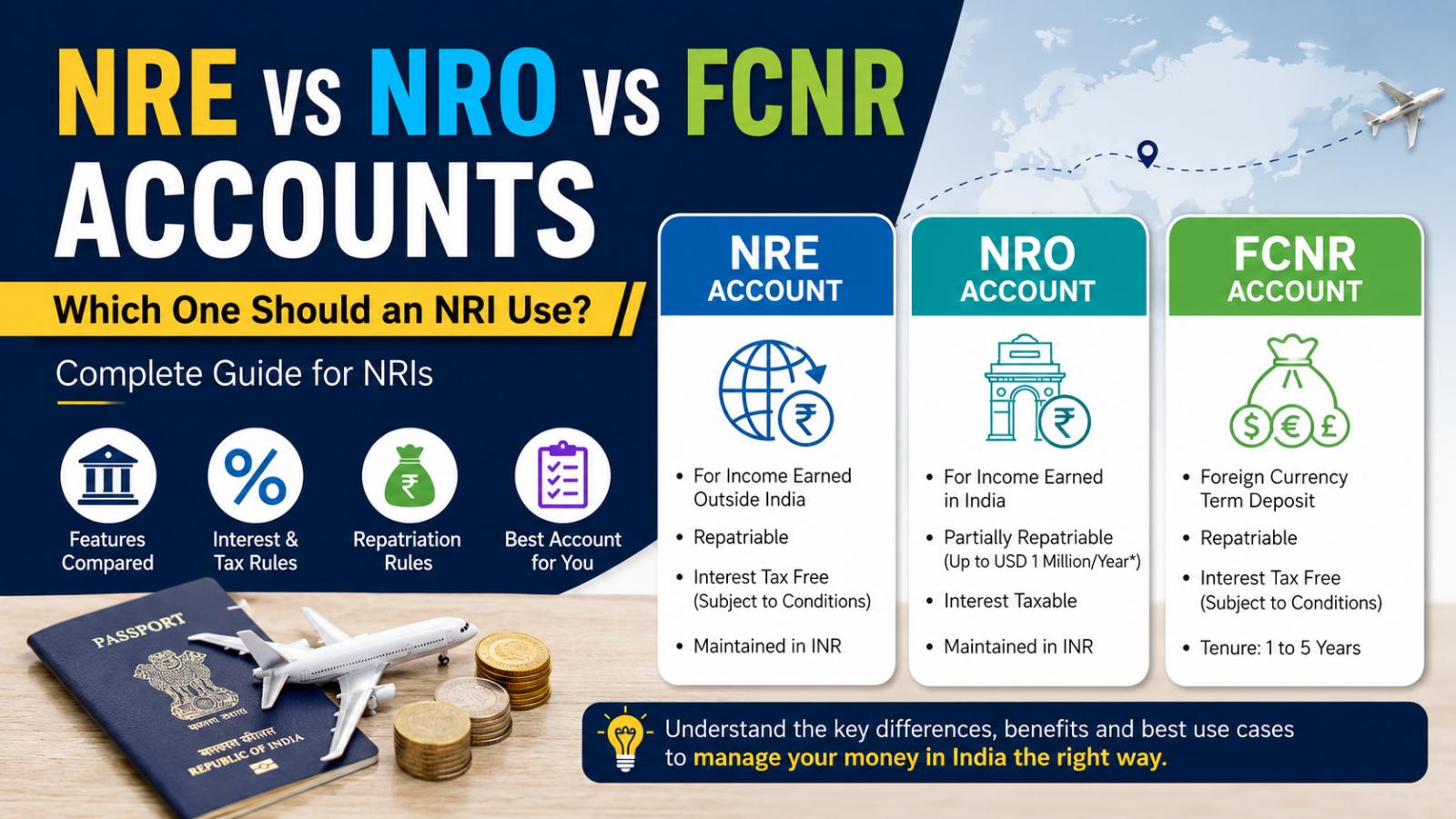
NRE vs NRO vs FCNR Accounts: Which One Should an NRI Use?
This guide explains NRE, NRO and FCNR accounts in plain English, compares tax and repatriation rules, shows where overseas and Indian income should go, and gives realistic account combinations for salaried NRIs, landlords, investors and families. Last reviewed: July 18, 2026 The first banking question most new NRIs ask sounds simple: “Which Indian account should I use now?”
NRE vs NRO vs FCNR Accounts: Which One Should an NRI Use?
This guide explains NRE, NRO and FCNR accounts in plain English, compares tax and repatriation rules, shows where overseas and Indian income should go, and gives realistic account combinations for salaried NRIs, landlords, investors and families. Last reviewed: July 18, 2026 The first banking question most new NRIs ask sounds simple: “Which Indian account should I use now?”

Lost Passport, EAD or ID in the U.S.? What To Do First
Losing a bag while traveling can be stressful. But when the bag contains a passport, EAD card, driver’s license, visa documents, bank cards and other IDs, the situation can quickly become serious. For students, workers, visitors and immigrants in the United States, the first few hours are important. The affected person should create an official record, protect their identity, arrange safe domestic travel and begin the replacement process for
Lost Passport, EAD or ID in the U.S.? What To Do First
Losing a bag while traveling can be stressful. But when the bag contains a passport, EAD card, driver’s license, visa documents, bank cards and other IDs, the situation can quickly become serious. For students, workers, visitors and immigrants in the United States, the first few hours are important. The affected person should create an official record, protect their identity, arrange safe domestic travel and begin the replacement process for
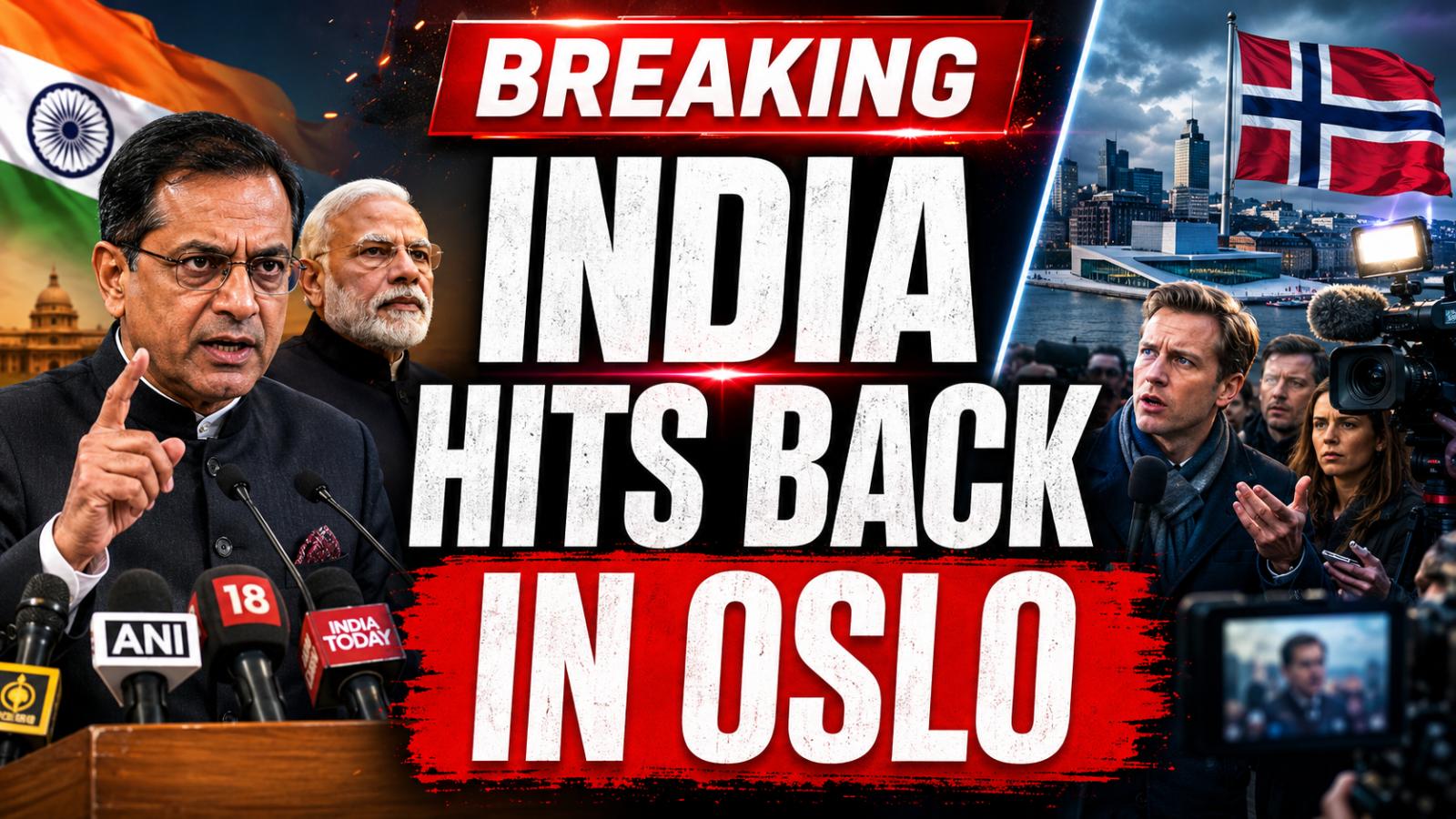
MEA Official Responds To Press Freedom Question During Modi Oslo Visit
MEA Responds To Trust Question In Oslo India’s Ministry of External Affairs responded strongly during a press briefing in Oslo after a Norwegian journalist questioned why India should be trusted and why Prime Minister Narendra Modi does not take questions from the press. MEA Secretary West Sibi George answered by defending India’s democratic institutions, constitutional protections, media environment and record on human
MEA Official Responds To Press Freedom Question During Modi Oslo Visit
MEA Responds To Trust Question In Oslo India’s Ministry of External Affairs responded strongly during a press briefing in Oslo after a Norwegian journalist questioned why India should be trusted and why Prime Minister Narendra Modi does not take questions from the press. MEA Secretary West Sibi George answered by defending India’s democratic institutions, constitutional protections, media environment and record on human

Indian Student Grocery Packing Guide for Dallas
For Indian students traveling to Dallas for the first time, grocery packing can be confusing. Many students wonder whether they should carry rice, dal, atta, masalas, snacks, ready-to-eat packets or other food items from India. The simple answer is this: carry only a small grocery starter kit for the first one or two weeks. Dallas has a large Indian community and good Indian grocery availability, so students do not need to fill their luggage with food. For most students, grocery packing should be about first-week comfort, not long-term storage. How Much Grocery Should Indian Students Carry to Dallas? For most Indian students, 3 kg to 4 kg of groceries is enough. Even if a student has around 44 kg to 46 kg of check-in luggage, groceries should take only a small part of that space. The remaining luggage is more useful for clothes, winter wear, documents, medicines, laptop items, shoes and student essentials. A practical grocery weight plan looks like this: Spices and masalas: 500g to 700g Ready-to-eat food: 1 kg to 1.5 kg Instant mixes: 500g to 800g Snacks and biscuits: 500g to 800g Tea, coffee or small pickle: 300g to 500g Total ideal grocery weight: 2.5 kg to 3.5 kg Maximum suggested grocery weight: 4 kg Why Carry Groceries From India? Indian students should carry groceries mainly for convenience during the first few days after landing. After reaching Dallas, students may be busy with airport travel, housing setup, university formalities, SIM card, bank account work and transportation. During this time, a few ready-to-eat packets, instant mixes and familiar snacks can be helpful. Some students may also prefer carrying their favorite regional masalas, chutney powder, sambar powder, rasam powder or tea brand because the exact taste may not be immediately available near their apartment. However, students should not treat groceries as the main part of their luggage. Best Grocery Items to Carry From India Students should carry only sealed, branded and commercially packed food items. Good options include: Ready-to-eat vegetarian packets Carry 4 to 6 packets. These are useful during the first few days when cooking may not be possible. Instant breakfast mixes Carry 2 to 3 packets of poha, upma, idli mix, dosa mix or similar items. Small masala packets Carry limited quantities of turmeric powder, chilli powder, garam masala, sambar powder, rasam powder or biryani masala. Regional taste items Students can carry chutney powder, special spice mix or a favorite regional masala if it is properly sealed and labelled. Tea or coffee Carry one small pack if you prefer a specific Indian brand. Snacks Carry 3 to 5 small packets of biscuits, namkeen, khakhra, chikki or dry snacks for travel and the first week. Pickle Carry only one small sealed branded bottle if needed. Pack it carefully in check-in baggage to avoid leakage. What Not to Carry From India: Buy These in Dallas Instead Indian students traveling to Dallas should avoid carrying heavy daily groceries such as rice, dal, atta, oil, ghee, sugar and salt. These items are easily available in Indian grocery stores across the Dallas-Fort Worth area and can be bought after arrival. Carrying these items from India usually does not help much because they take up luggage space, add weight quickly and are not difficult to find in Dallas. A student’s check-in baggage is better used for clothes, winter wear, documents, medicines, personal items and first-week essentials. Students should also avoid carrying fresh fruits, fresh vegetables, curry leaves, coriander leaves, mint leaves, seeds, plants, soil, homemade pickles, homemade chutneys, meat products, egg-based food items and loose masala powders without original labels. These items may create problems during U.S. customs inspection. For regular cooking after arrival, students can buy rice, dal, atta, oil, ghee, vegetables, paneer, frozen chapati, dosa batter, snacks and larger masala packs from local Indian grocery stores in Dallas. The best approach is simple: carry only 3 kg to 4 kg of sealed, dry, branded food items from India and buy heavy regular groceries after reaching Dallas. Should Groceries Go in Check-In or Cabin Baggage? Students should keep almost all groceries in check-in baggage. Check-in baggage is better for: Masala powders Sambar powder Rasam powder Chutney powder Ready-to-eat packets Instant mixes Pickle bottles Tea or coffee Snacks in larger quantities Cabin baggage should carry only small travel snacks such as biscuits, dry fruits, chocolate, protein bars or one small namkeen packet. Avoid keeping pickle, chutney, liquid food, large masala packets or too many powders in cabin baggage. This can create extra security checking during travel. How to Pack Groceries Safely Students should keep grocery packing simple and clean. Use original sealed packets. Do not open and repack masalas into plain covers. Keep all food items together in one transparent plastic bag or pouch inside checked baggage. Double-wrap pickle or liquid-based items. Avoid glass bottles if possible. Keep food away from clothes. Do not carry anything that smells strongly or leaks easily. Keep total grocery weight below 4 kg. U.S. Customs Rule: Declare Food Items Students should declare all food items when entering the United States. If asked at the airport, students can clearly say: “I have sealed Indian dry spices, vegetarian ready-to-eat packets, tea and snacks. I am not carrying fresh fruits, vegetables, meat, seeds or plants.” Declaring food is safer than hiding it. If an officer decides that an item is not allowed, it may be removed, but proper declaration helps avoid bigger problems. What to Buy After Reaching Dallas After arrival, students can buy regular cooking items locally. See our guide to Indian grocery stores in Dallas-Fort Worth for nearby stores, timings and shopping options. After reaching Dallas, students can buy regular Indian groceries locally instead of carrying heavy items from India. Indian grocery stores in the Dallas-Fort Worth area usually sell daily cooking items, Indian snacks, masalas, frozen foods, fresh vegetables and other student-friendly groceries. After arrival, students can use local Indian grocery stores for regular purchases. For store options, read our guide to Indian grocery stores in Dallas-Fort Worth. Final Grocery Packing Checklist Carry from India: 4 to 6 ready-to-eat vegetarian packets 2 to 3 instant breakfast mixes Small masala packets Sambar powder or rasam powder Chutney powder or regional spice mix Tea or coffee A few snacks One small sealed pickle bottle, optional Keep grocery weight around 3 kg to 4 kg maximum. Final Advice for Indian Students Students planning their complete luggage can also read our full India to Dallas student packing checklist for documents, clothes, toiletries, medicines, cabin bag items and first-week essentials For Indian students traveling to Dallas, groceries should be a small comfort kit, not a major part of luggage. The smartest plan is to carry a few sealed food items for the first week and buy regular groceries after reaching Dallas. This keeps luggage lighter, reduces customs risk and gives students more space for important items. Students planning their complete luggage can also read our full India to Dallas student packing checklist.
Indian Student Grocery Packing Guide for Dallas
For Indian students traveling to Dallas for the first time, grocery packing can be confusing. Many students wonder whether they should carry rice, dal, atta, masalas, snacks, ready-to-eat packets or other food items from India. The simple answer is this: carry only a small grocery starter kit for the first one or two weeks. Dallas has a large Indian community and good Indian grocery availability, so students do not need to fill their luggage with food. For most students, grocery packing should be about first-week comfort, not long-term storage. How Much Grocery Should Indian Students Carry to Dallas? For most Indian students, 3 kg to 4 kg of groceries is enough. Even if a student has around 44 kg to 46 kg of check-in luggage, groceries should take only a small part of that space. The remaining luggage is more useful for clothes, winter wear, documents, medicines, laptop items, shoes and student essentials. A practical grocery weight plan looks like this: Spices and masalas: 500g to 700g Ready-to-eat food: 1 kg to 1.5 kg Instant mixes: 500g to 800g Snacks and biscuits: 500g to 800g Tea, coffee or small pickle: 300g to 500g Total ideal grocery weight: 2.5 kg to 3.5 kg Maximum suggested grocery weight: 4 kg Why Carry Groceries From India? Indian students should carry groceries mainly for convenience during the first few days after landing. After reaching Dallas, students may be busy with airport travel, housing setup, university formalities, SIM card, bank account work and transportation. During this time, a few ready-to-eat packets, instant mixes and familiar snacks can be helpful. Some students may also prefer carrying their favorite regional masalas, chutney powder, sambar powder, rasam powder or tea brand because the exact taste may not be immediately available near their apartment. However, students should not treat groceries as the main part of their luggage. Best Grocery Items to Carry From India Students should carry only sealed, branded and commercially packed food items. Good options include: Ready-to-eat vegetarian packets Carry 4 to 6 packets. These are useful during the first few days when cooking may not be possible. Instant breakfast mixes Carry 2 to 3 packets of poha, upma, idli mix, dosa mix or similar items. Small masala packets Carry limited quantities of turmeric powder, chilli powder, garam masala, sambar powder, rasam powder or biryani masala. Regional taste items Students can carry chutney powder, special spice mix or a favorite regional masala if it is properly sealed and labelled. Tea or coffee Carry one small pack if you prefer a specific Indian brand. Snacks Carry 3 to 5 small packets of biscuits, namkeen, khakhra, chikki or dry snacks for travel and the first week. Pickle Carry only one small sealed branded bottle if needed. Pack it carefully in check-in baggage to avoid leakage. What Not to Carry From India: Buy These in Dallas Instead Indian students traveling to Dallas should avoid carrying heavy daily groceries such as rice, dal, atta, oil, ghee, sugar and salt. These items are easily available in Indian grocery stores across the Dallas-Fort Worth area and can be bought after arrival. Carrying these items from India usually does not help much because they take up luggage space, add weight quickly and are not difficult to find in Dallas. A student’s check-in baggage is better used for clothes, winter wear, documents, medicines, personal items and first-week essentials. Students should also avoid carrying fresh fruits, fresh vegetables, curry leaves, coriander leaves, mint leaves, seeds, plants, soil, homemade pickles, homemade chutneys, meat products, egg-based food items and loose masala powders without original labels. These items may create problems during U.S. customs inspection. For regular cooking after arrival, students can buy rice, dal, atta, oil, ghee, vegetables, paneer, frozen chapati, dosa batter, snacks and larger masala packs from local Indian grocery stores in Dallas. The best approach is simple: carry only 3 kg to 4 kg of sealed, dry, branded food items from India and buy heavy regular groceries after reaching Dallas. Should Groceries Go in Check-In or Cabin Baggage? Students should keep almost all groceries in check-in baggage. Check-in baggage is better for: Masala powders Sambar powder Rasam powder Chutney powder Ready-to-eat packets Instant mixes Pickle bottles Tea or coffee Snacks in larger quantities Cabin baggage should carry only small travel snacks such as biscuits, dry fruits, chocolate, protein bars or one small namkeen packet. Avoid keeping pickle, chutney, liquid food, large masala packets or too many powders in cabin baggage. This can create extra security checking during travel. How to Pack Groceries Safely Students should keep grocery packing simple and clean. Use original sealed packets. Do not open and repack masalas into plain covers. Keep all food items together in one transparent plastic bag or pouch inside checked baggage. Double-wrap pickle or liquid-based items. Avoid glass bottles if possible. Keep food away from clothes. Do not carry anything that smells strongly or leaks easily. Keep total grocery weight below 4 kg. U.S. Customs Rule: Declare Food Items Students should declare all food items when entering the United States. If asked at the airport, students can clearly say: “I have sealed Indian dry spices, vegetarian ready-to-eat packets, tea and snacks. I am not carrying fresh fruits, vegetables, meat, seeds or plants.” Declaring food is safer than hiding it. If an officer decides that an item is not allowed, it may be removed, but proper declaration helps avoid bigger problems. What to Buy After Reaching Dallas After arrival, students can buy regular cooking items locally. See our guide to Indian grocery stores in Dallas-Fort Worth for nearby stores, timings and shopping options. After reaching Dallas, students can buy regular Indian groceries locally instead of carrying heavy items from India. Indian grocery stores in the Dallas-Fort Worth area usually sell daily cooking items, Indian snacks, masalas, frozen foods, fresh vegetables and other student-friendly groceries. After arrival, students can use local Indian grocery stores for regular purchases. For store options, read our guide to Indian grocery stores in Dallas-Fort Worth. Final Grocery Packing Checklist Carry from India: 4 to 6 ready-to-eat vegetarian packets 2 to 3 instant breakfast mixes Small masala packets Sambar powder or rasam powder Chutney powder or regional spice mix Tea or coffee A few snacks One small sealed pickle bottle, optional Keep grocery weight around 3 kg to 4 kg maximum. Final Advice for Indian Students Students planning their complete luggage can also read our full India to Dallas student packing checklist for documents, clothes, toiletries, medicines, cabin bag items and first-week essentials For Indian students traveling to Dallas, groceries should be a small comfort kit, not a major part of luggage. The smartest plan is to carry a few sealed food items for the first week and buy regular groceries after reaching Dallas. This keeps luggage lighter, reduces customs risk and gives students more space for important items. Students planning their complete luggage can also read our full India to Dallas student packing checklist.

American Police Rules Explained: Keeping the Public Safe and Accountable
Introduction to American Police Rules In the United States, the rules and procedures that govern police conduct are crucial to maintaining public order and ensuring that law enforcement officers act within the boundaries of the law. American police rules vary by state and jurisdiction, but there are foundational principles that guide officers in their day-to-day responsibilities. These rules not only protect citizens but also uphold the integrity of the po
American Police Rules Explained: Keeping the Public Safe and Accountable
Introduction to American Police Rules In the United States, the rules and procedures that govern police conduct are crucial to maintaining public order and ensuring that law enforcement officers act within the boundaries of the law. American police rules vary by state and jurisdiction, but there are foundational principles that guide officers in their day-to-day responsibilities. These rules not only protect citizens but also uphold the integrity of the po

MetLife Stadium in East Rutherford Installs Natural Grass for World Cup 2026 FIFA Showpiece
MetLife Stadium Begins World Cup 2026 Grass Upgrade MetLife Stadium in East Rutherford is installing natural grass ahead of the FIFA World Cup 2026, a required move before the New Jersey venue hosts global soccer matches. The upgrade replaces the stadium’s artificial turf with a FIFA-compliant grass surface, giving players the natural pitch conditions required for World Cup games. Why FIFA Requires Natural Grass F
MetLife Stadium in East Rutherford Installs Natural Grass for World Cup 2026 FIFA Showpiece
MetLife Stadium Begins World Cup 2026 Grass Upgrade MetLife Stadium in East Rutherford is installing natural grass ahead of the FIFA World Cup 2026, a required move before the New Jersey venue hosts global soccer matches. The upgrade replaces the stadium’s artificial turf with a FIFA-compliant grass surface, giving players the natural pitch conditions required for World Cup games. Why FIFA Requires Natural Grass F
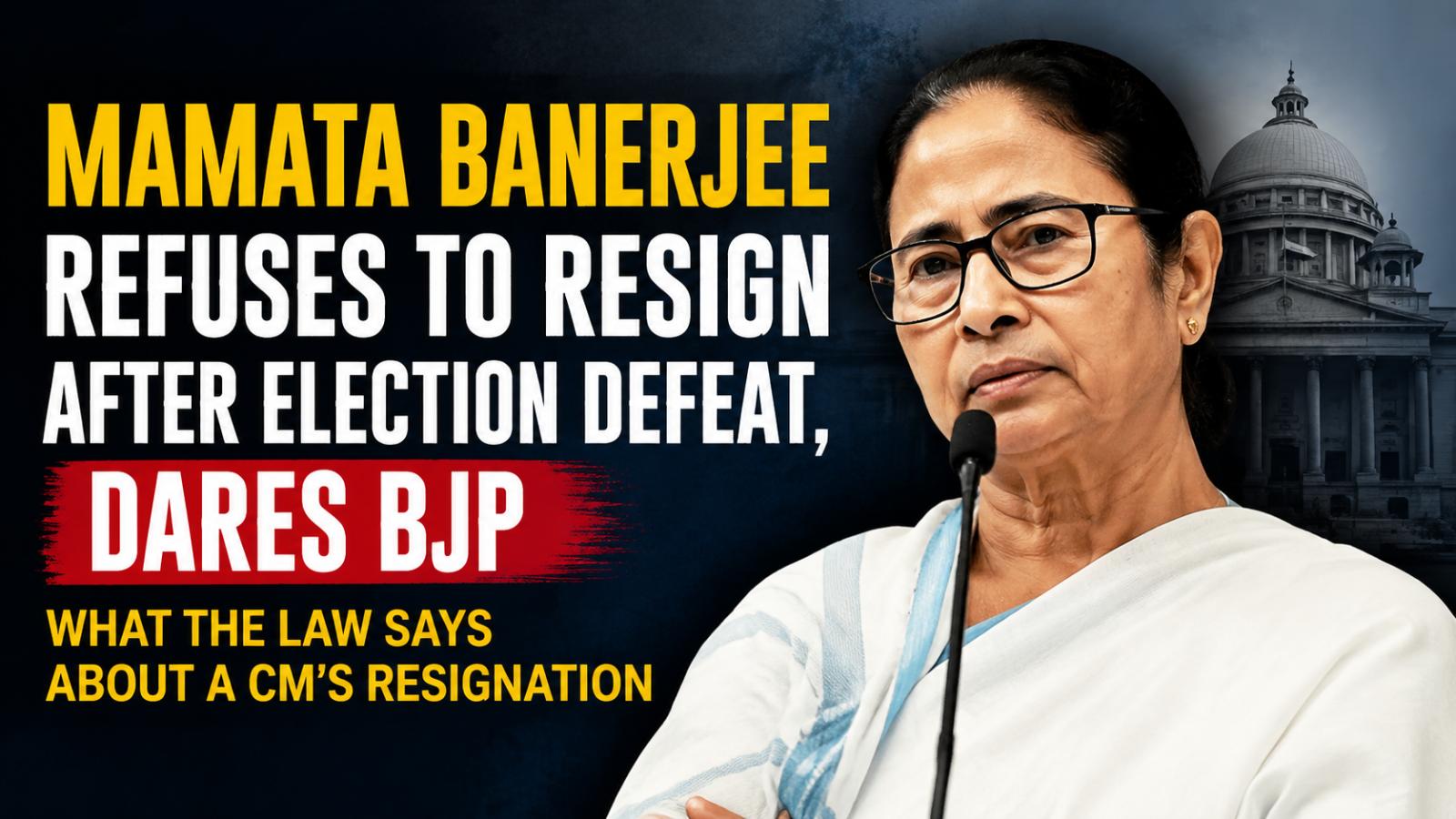
Mamata Banerjee rejects resignation despite TMC loss in assembly elections
West Bengal Chief Minister Mamata Banerjee has firmly rejected calls to resign following the defeat of her party, Trinamool Congress (TMC), in the recent West Bengal Assembly Elections. Despite the electoral setback, Banerjee has declared that she will not step down, describing the demand for her resignation as a "symbolic protest." The TMC leader made these remarks during a closed-door party meeting with senior party leaders and newly elected MLAs on May 6. Banerjee added that she would not
Mamata Banerjee rejects resignation despite TMC loss in assembly elections
West Bengal Chief Minister Mamata Banerjee has firmly rejected calls to resign following the defeat of her party, Trinamool Congress (TMC), in the recent West Bengal Assembly Elections. Despite the electoral setback, Banerjee has declared that she will not step down, describing the demand for her resignation as a "symbolic protest." The TMC leader made these remarks during a closed-door party meeting with senior party leaders and newly elected MLAs on May 6. Banerjee added that she would not
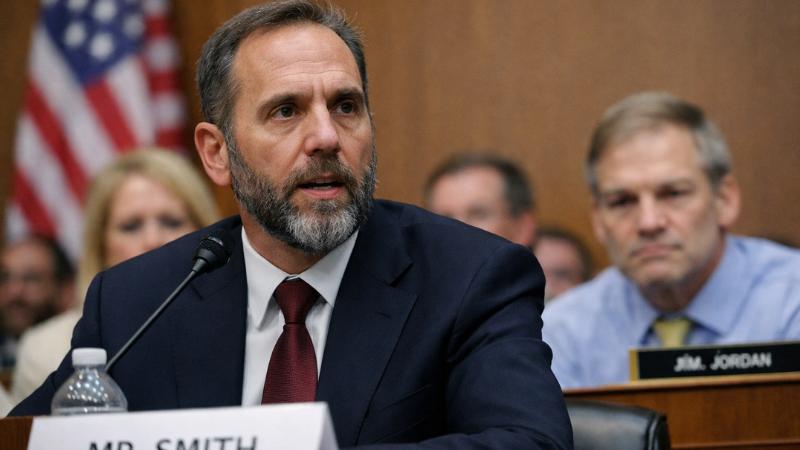
Jack Smith warns of threats to democracy in testimony on Trump cases
Former special counsel Jack Smith appeared publicly before the House Judiciary Committee on Thursday, offering a stark assessment of the state of American democracy and sharply criticizing actions taken by President Donald Trump following his return to office. Smith, who previously led two federal prosecutions involving Trump, warned lawmakers that the failure to impose accountability for attempts to overturn the 2020 presidential election could have lasting and potentially catastrophic consequences. In his testimony, Smith said ongoing threats to US democracy remain unresolved because efforts to challenge the legitimacy of the 2020 election were never fully adjudicated in court. He described the conduct he investigated as criminal in nature and argued that the absence of accountability risks normalizing behavior that undermines constitutional processes. Smith’s remarks framed his past investigations as necessary safeguards rather than political actions, emphasizing that the justice system has a responsibility to confront efforts to subvert lawful elections. Republican lawmakers on the committee rejected that characterization. Chairman Jim Jordan accused Smith and other officials of pursuing Trump through prosecutions, impeachments, and investigations driven by partisan motives. Jordan argued that the cases reflected an effort to “get” Trump rather than a neutral application of the law, a claim Smith disputed during the hearing by reiterating that prosecutorial decisions were based on evidence and legal standards. Smith also delivered pointed criticism of Trump’s decision to issue mass pardons to individuals charged in connection with the January 6, 2021 attack on the US Capitol. On his first day back in office, Trump granted clemency to all defendants in the case, including hundreds who were accused or convicted of assaulting law enforcement officers. Smith said he could not understand why anyone would pardon individuals who attacked police officers, noting that at least 140 officers were injured during the violence, with some requiring hospitalization. He described the officers who defended the Capitol as heroes and said pardoning their attackers sends troubling signals about respect for law enforcement. The hearing also revisited unresolved issues surrounding Smith’s investigation into Trump’s handling of classified documents. Democratic members highlighted limits on Smith’s ability to discuss the findings of that probe due to a court order issued by Aileen Cannon, who presided over the case. Smith explained that the order restricts the Justice Department from releasing or discussing details from his final report while related matters were pending. Under questioning from Vermont Representative Becca Balint, Smith confirmed that the order was imposed when charges against two Trump employees were still active. Those cases were later dismissed by the Justice Department under the Trump administration. Although advocacy groups and media organizations have sought the release of the classified documents report, Cannon ruled in late December that it would remain sealed for now, with a provision allowing limited disclosure beginning in February. Trump has since requested that the restriction be made permanent. Smith’s testimony underscored deep divisions in Washington over accountability, the rule of law, and the legacy of January 6. While Republicans framed the investigations as political overreach, Smith maintained that confronting efforts to overturn an election is essential to preserving democratic institutions. His appearance before Congress marked a rare public defense of the prosecutions he led and a renewed warning that unresolved challenges to democratic norms continue to pose serious risks to the nation.
Jack Smith warns of threats to democracy in testimony on Trump cases
Former special counsel Jack Smith appeared publicly before the House Judiciary Committee on Thursday, offering a stark assessment of the state of American democracy and sharply criticizing actions taken by President Donald Trump following his return to office. Smith, who previously led two federal prosecutions involving Trump, warned lawmakers that the failure to impose accountability for attempts to overturn the 2020 presidential election could have lasting and potentially catastrophic consequences. In his testimony, Smith said ongoing threats to US democracy remain unresolved because efforts to challenge the legitimacy of the 2020 election were never fully adjudicated in court. He described the conduct he investigated as criminal in nature and argued that the absence of accountability risks normalizing behavior that undermines constitutional processes. Smith’s remarks framed his past investigations as necessary safeguards rather than political actions, emphasizing that the justice system has a responsibility to confront efforts to subvert lawful elections. Republican lawmakers on the committee rejected that characterization. Chairman Jim Jordan accused Smith and other officials of pursuing Trump through prosecutions, impeachments, and investigations driven by partisan motives. Jordan argued that the cases reflected an effort to “get” Trump rather than a neutral application of the law, a claim Smith disputed during the hearing by reiterating that prosecutorial decisions were based on evidence and legal standards. Smith also delivered pointed criticism of Trump’s decision to issue mass pardons to individuals charged in connection with the January 6, 2021 attack on the US Capitol. On his first day back in office, Trump granted clemency to all defendants in the case, including hundreds who were accused or convicted of assaulting law enforcement officers. Smith said he could not understand why anyone would pardon individuals who attacked police officers, noting that at least 140 officers were injured during the violence, with some requiring hospitalization. He described the officers who defended the Capitol as heroes and said pardoning their attackers sends troubling signals about respect for law enforcement. The hearing also revisited unresolved issues surrounding Smith’s investigation into Trump’s handling of classified documents. Democratic members highlighted limits on Smith’s ability to discuss the findings of that probe due to a court order issued by Aileen Cannon, who presided over the case. Smith explained that the order restricts the Justice Department from releasing or discussing details from his final report while related matters were pending. Under questioning from Vermont Representative Becca Balint, Smith confirmed that the order was imposed when charges against two Trump employees were still active. Those cases were later dismissed by the Justice Department under the Trump administration. Although advocacy groups and media organizations have sought the release of the classified documents report, Cannon ruled in late December that it would remain sealed for now, with a provision allowing limited disclosure beginning in February. Trump has since requested that the restriction be made permanent. Smith’s testimony underscored deep divisions in Washington over accountability, the rule of law, and the legacy of January 6. While Republicans framed the investigations as political overreach, Smith maintained that confronting efforts to overturn an election is essential to preserving democratic institutions. His appearance before Congress marked a rare public defense of the prosecutions he led and a renewed warning that unresolved challenges to democratic norms continue to pose serious risks to the nation.
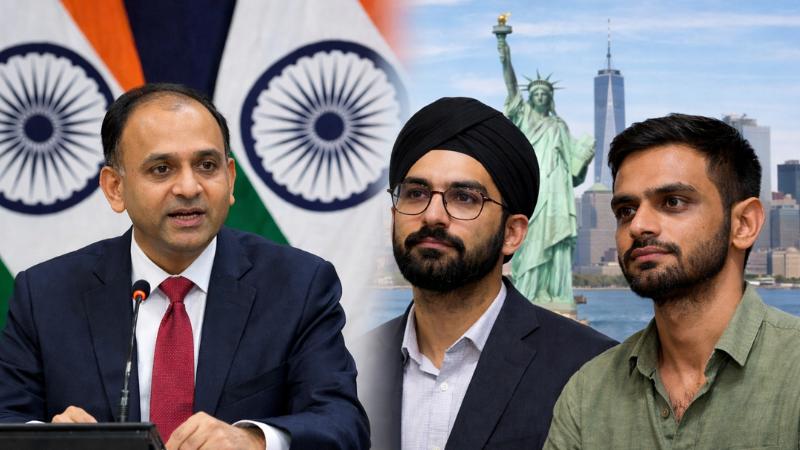
India rebukes New York mayor’s note to Umar Khalid, stresses judicial independence
India on Friday issued a firm response to a message written by Zohran Mamdani, stating that elected representatives in democracies should respect the independence of judicial institutions in other countries and refrain from commenting on ongoing legal matters. The reaction followed the circulation of a handwritten note addressed to jailed activist Umar Khalid, who is accused in connection with the 2020 Delhi riots case. At a regular press briefing, the Ministry of External Affairs underscored that public office carries responsibilities that require restraint, particularly on sensitive judicial issues. Responding to questions on the matter, Randhir Jaiswal, spokesperson for the Ministry of External Affairs, said India expects public representatives to be respectful of the independence of the judiciary in other democracies. He added that expressing personal views or prejudices on such matters does not befit those holding public office and that attention should instead remain on the duties entrusted to them by their constituents. The remarks came after a photograph of the note written by Mamdani was shared publicly by a close associate of Khalid. The message, written on the day Mamdani was ceremonially sworn in as mayor of New York City, conveyed personal sentiments and support for Khalid. According to those familiar with the interaction, the note was handed to Khalid’s parents during their visit to the United States in December 2025. The development has drawn attention in India amid ongoing legal proceedings related to the violence that erupted in parts of the national capital in February 2020. Earlier this month, the Supreme Court of India declined to grant bail to Umar Khalid and Sharjeel Imam, observing that the two stood on a qualitatively different footing compared with other accused, given the nature of the allegations and the evidence cited by the prosecution. In the same order, the apex court granted bail to several other accused, including Gulfisha Fatima, Meeran Haider, Shifa Ur Rehman, Mohd Saleem Khan and Shadab Ahmad, noting that their alleged roles appeared limited in scope. The court, however, made it clear that similar relief could not be extended to Khalid and Imam at this stage. Officials indicated that India’s response was rooted in principle rather than politics, emphasizing the need for mutual respect among democratic institutions across borders. The government maintained that judicial processes in India are governed by law and evidence, and external commentary by foreign public figures on active cases is neither appropriate nor constructive. The episode has also highlighted the sensitivities surrounding international commentary on domestic legal matters, particularly in high-profile cases. Indian officials reiterated that while democratic societies value free expression, elected representatives are expected to exercise caution and uphold the norms of diplomatic and institutional respect when addressing issues beyond their jurisdiction.
India rebukes New York mayor’s note to Umar Khalid, stresses judicial independence
India on Friday issued a firm response to a message written by Zohran Mamdani, stating that elected representatives in democracies should respect the independence of judicial institutions in other countries and refrain from commenting on ongoing legal matters. The reaction followed the circulation of a handwritten note addressed to jailed activist Umar Khalid, who is accused in connection with the 2020 Delhi riots case. At a regular press briefing, the Ministry of External Affairs underscored that public office carries responsibilities that require restraint, particularly on sensitive judicial issues. Responding to questions on the matter, Randhir Jaiswal, spokesperson for the Ministry of External Affairs, said India expects public representatives to be respectful of the independence of the judiciary in other democracies. He added that expressing personal views or prejudices on such matters does not befit those holding public office and that attention should instead remain on the duties entrusted to them by their constituents. The remarks came after a photograph of the note written by Mamdani was shared publicly by a close associate of Khalid. The message, written on the day Mamdani was ceremonially sworn in as mayor of New York City, conveyed personal sentiments and support for Khalid. According to those familiar with the interaction, the note was handed to Khalid’s parents during their visit to the United States in December 2025. The development has drawn attention in India amid ongoing legal proceedings related to the violence that erupted in parts of the national capital in February 2020. Earlier this month, the Supreme Court of India declined to grant bail to Umar Khalid and Sharjeel Imam, observing that the two stood on a qualitatively different footing compared with other accused, given the nature of the allegations and the evidence cited by the prosecution. In the same order, the apex court granted bail to several other accused, including Gulfisha Fatima, Meeran Haider, Shifa Ur Rehman, Mohd Saleem Khan and Shadab Ahmad, noting that their alleged roles appeared limited in scope. The court, however, made it clear that similar relief could not be extended to Khalid and Imam at this stage. Officials indicated that India’s response was rooted in principle rather than politics, emphasizing the need for mutual respect among democratic institutions across borders. The government maintained that judicial processes in India are governed by law and evidence, and external commentary by foreign public figures on active cases is neither appropriate nor constructive. The episode has also highlighted the sensitivities surrounding international commentary on domestic legal matters, particularly in high-profile cases. Indian officials reiterated that while democratic societies value free expression, elected representatives are expected to exercise caution and uphold the norms of diplomatic and institutional respect when addressing issues beyond their jurisdiction.
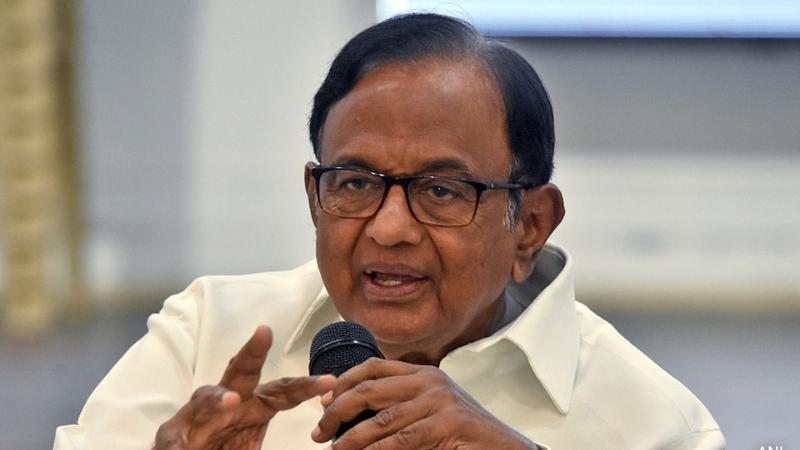
Chidambaram Criticises EC For Acting Like Court In Rahul Gandhi Case
Senior Congress leader P Chidambaram has strongly criticised the Election Commission of India (ECI) over its notice to Rahul Gandhi, stating that the poll body is “not a court” and should not act like one when handling petitions or complaints. Chidambaram said the ECI is an administrative body tasked with ensuring free and fair elections and has a duty not only towards political parties but also to the country’s voters.
Chidambaram Criticises EC For Acting Like Court In Rahul Gandhi Case
Senior Congress leader P Chidambaram has strongly criticised the Election Commission of India (ECI) over its notice to Rahul Gandhi, stating that the poll body is “not a court” and should not act like one when handling petitions or complaints. Chidambaram said the ECI is an administrative body tasked with ensuring free and fair elections and has a duty not only towards political parties but also to the country’s voters.

RBI reins in JPY-linked special deposits as banks scale down premium offerings
Mumbai's financial sector has witnessed a significant recalibration as a once-popular deposit product—the Japanese yen (JPY)-linked special deposit—loses momentum following regulatory scrutiny and shifting bank strategies. These fancy financial instruments, heavily marketed to attract non-resident Indian (NRI) funds and appease analysts with attractive yield spreads, are now undergoing a correction. The Reserve Bank of India (RBI) has reportedly advised certain banks to ensure
RBI reins in JPY-linked special deposits as banks scale down premium offerings
Mumbai's financial sector has witnessed a significant recalibration as a once-popular deposit product—the Japanese yen (JPY)-linked special deposit—loses momentum following regulatory scrutiny and shifting bank strategies. These fancy financial instruments, heavily marketed to attract non-resident Indian (NRI) funds and appease analysts with attractive yield spreads, are now undergoing a correction. The Reserve Bank of India (RBI) has reportedly advised certain banks to ensure

RBI Tightens Rules on Offshore Gifting by Indian Families to NRIs
In recent years, affluent Indian families have increasingly turned to offshore gifting as a means to support their children settled abroad, whether for education, property acquisitions, or participation in investor immigration programs like the U.S. EB-5 visa. While such familial financial support is common, the Reserve Bank of India (RBI) has intensified scrutiny over these transactions, particularly when they involve significant foreign investments and large remittances. T
RBI Tightens Rules on Offshore Gifting by Indian Families to NRIs
In recent years, affluent Indian families have increasingly turned to offshore gifting as a means to support their children settled abroad, whether for education, property acquisitions, or participation in investor immigration programs like the U.S. EB-5 visa. While such familial financial support is common, the Reserve Bank of India (RBI) has intensified scrutiny over these transactions, particularly when they involve significant foreign investments and large remittances. T
US Enforces 30-Day Registration Rule for Foreign Nationals
In a significant policy shift, the United States government has implemented a rule mandating that all foreign nationals residing in the country for more than 30 days must register with federal authorities. This measure, rooted in historical legislation, has been revived and is now being enforced with renewed vigor. The rule stipulates that non-citizens aged 14 and above must submit their personal information, including fingerprints and residential addresses, to the U.S. Citizenshi
US Enforces 30-Day Registration Rule for Foreign Nationals
In a significant policy shift, the United States government has implemented a rule mandating that all foreign nationals residing in the country for more than 30 days must register with federal authorities. This measure, rooted in historical legislation, has been revived and is now being enforced with renewed vigor. The rule stipulates that non-citizens aged 14 and above must submit their personal information, including fingerprints and residential addresses, to the U.S. Citizenshi

RBI Updates Pension Rules: Life Certificate, DR Hike, Home Service & Delay Compensation
Timely pension payments are not merely a procedural matter—they are a lifeline for countless retired central and state government employees. These pensions, disbursed through authorised banks, are governed by the Reserve Bank of India (RBI)'s "Master Circular - Disbursement of Government Pension by Agency Banks". The RBI recently updated the circular, issuing a series of clarifications that aim to make the pension system more transparent, accountable, and senior citizen-fr
RBI Updates Pension Rules: Life Certificate, DR Hike, Home Service & Delay Compensation
Timely pension payments are not merely a procedural matter—they are a lifeline for countless retired central and state government employees. These pensions, disbursed through authorised banks, are governed by the Reserve Bank of India (RBI)'s "Master Circular - Disbursement of Government Pension by Agency Banks". The RBI recently updated the circular, issuing a series of clarifications that aim to make the pension system more transparent, accountable, and senior citizen-fr

New Financial Year 2025 Begins: Major Changes in Tax, Banking, and Investment Rules from April 1
As the new financial year begins on April 1, 2025, taxpayers, investors, and banking customers in India must prepare for several important changes in financial regulations. These reforms, previously announced by the government and regulatory bodies, are aimed at improving compliance, digital security, and financial transparency. Here’s a simple breakdown of the key changes that come into effect starting April 1. 1. Higher Income Tax Exemption Limit
New Financial Year 2025 Begins: Major Changes in Tax, Banking, and Investment Rules from April 1
As the new financial year begins on April 1, 2025, taxpayers, investors, and banking customers in India must prepare for several important changes in financial regulations. These reforms, previously announced by the government and regulatory bodies, are aimed at improving compliance, digital security, and financial transparency. Here’s a simple breakdown of the key changes that come into effect starting April 1. 1. Higher Income Tax Exemption Limit
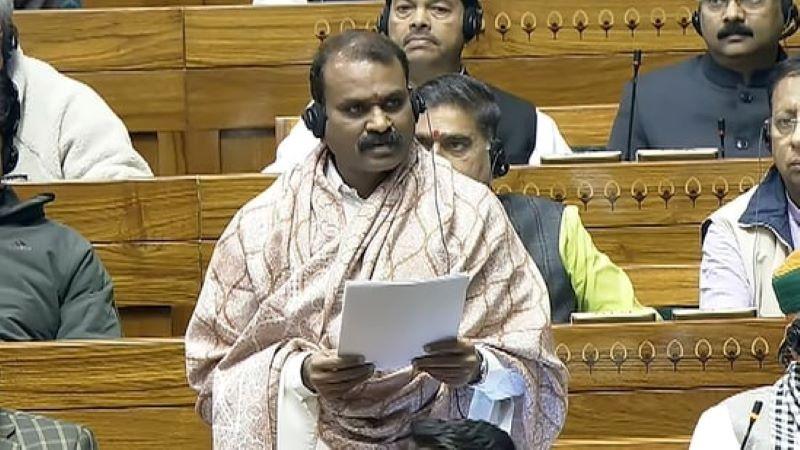
Government Blocks 18 OTT Platforms for Obscene Content
On Wednesday, Minister of State for Information and Broadcasting, L Murugan, informed the Lok Sabha that the government had blocked 18 OTT platforms this year for publishing obscene, vulgar, and in some cases, pornographic content. This action is in line with the IT Rules of 2021, which impose specific due diligence obligations on intermediaries to ensure they take reasonable steps to prevent the spread of such content. The IT Rules also set out a Code of Ethics for publishers
Government Blocks 18 OTT Platforms for Obscene Content
On Wednesday, Minister of State for Information and Broadcasting, L Murugan, informed the Lok Sabha that the government had blocked 18 OTT platforms this year for publishing obscene, vulgar, and in some cases, pornographic content. This action is in line with the IT Rules of 2021, which impose specific due diligence obligations on intermediaries to ensure they take reasonable steps to prevent the spread of such content. The IT Rules also set out a Code of Ethics for publishers
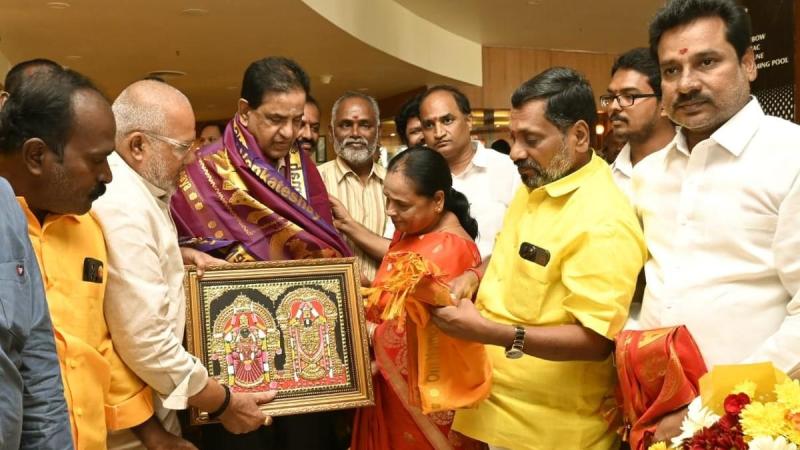
TTD Board Under BR Naidu Enforces Key Reforms, Bans Politics, Renames Guesthouses, and More
The appointment of BR Naidu as the chairman of the Tirumala Tirupati Devasthanams (TTD) board has ushered in a series of transformative reforms aimed at addressing challenges left behind by the previous YCP government’s board. As the new board takes full effect, the changes introduced by BR Naidu and his team are expected to streamline operations and ensure that the Tirumala shrine continues to uphold its sanctity and efficiency. One of the most significant reforms is the comp
TTD Board Under BR Naidu Enforces Key Reforms, Bans Politics, Renames Guesthouses, and More
The appointment of BR Naidu as the chairman of the Tirumala Tirupati Devasthanams (TTD) board has ushered in a series of transformative reforms aimed at addressing challenges left behind by the previous YCP government’s board. As the new board takes full effect, the changes introduced by BR Naidu and his team are expected to streamline operations and ensure that the Tirumala shrine continues to uphold its sanctity and efficiency. One of the most significant reforms is the comp
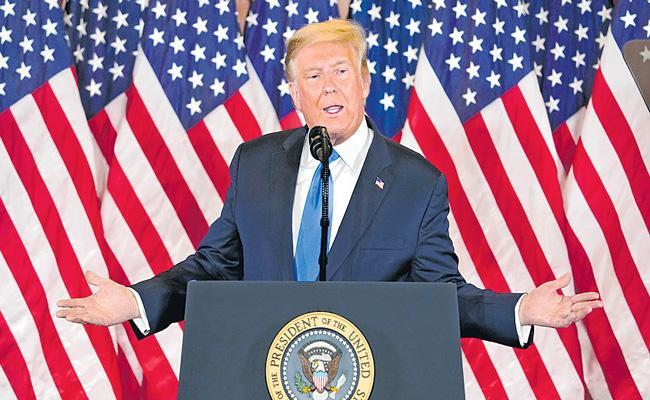
Impact of Trump Presidency on Indian Exporters
With Donald Trump set to become the US president, Indian exporters may face challenges due to potential changes in trade policies. Experts suggest that the 'America First' agenda could lead to higher customs duties on goods like automobiles, textiles, and pharmaceuticals. Additionally, stricter H-1B visa rules may impact Indian IT firms, as a significant portion of their revenue comes from the US market. The US is India's largest trading partner, accounting for a substantia
Impact of Trump Presidency on Indian Exporters
With Donald Trump set to become the US president, Indian exporters may face challenges due to potential changes in trade policies. Experts suggest that the 'America First' agenda could lead to higher customs duties on goods like automobiles, textiles, and pharmaceuticals. Additionally, stricter H-1B visa rules may impact Indian IT firms, as a significant portion of their revenue comes from the US market. The US is India's largest trading partner, accounting for a substantia

IIT Reports Confirm Integrity of Amaravati Building Foundations Amidst Political Controversy
In a significant development amidst ongoing political discourse, the TDP coalition government has received preliminary reports from IIT Chennai and IIT Hyderabad confirming the integrity of various building foundations in Amaravati. These buildings, which have been exposed to fluctuating water levels and weather conditions over the past five years under YCP rule, include crucial structures such as the High Court, Secretariat, and departmental offices. Experts from both IITs were tas
IIT Reports Confirm Integrity of Amaravati Building Foundations Amidst Political Controversy
In a significant development amidst ongoing political discourse, the TDP coalition government has received preliminary reports from IIT Chennai and IIT Hyderabad confirming the integrity of various building foundations in Amaravati. These buildings, which have been exposed to fluctuating water levels and weather conditions over the past five years under YCP rule, include crucial structures such as the High Court, Secretariat, and departmental offices. Experts from both IITs were tas










